
Business
Philippine Economy Grows 5.5% in Q2, Driven by Agriculture Surge

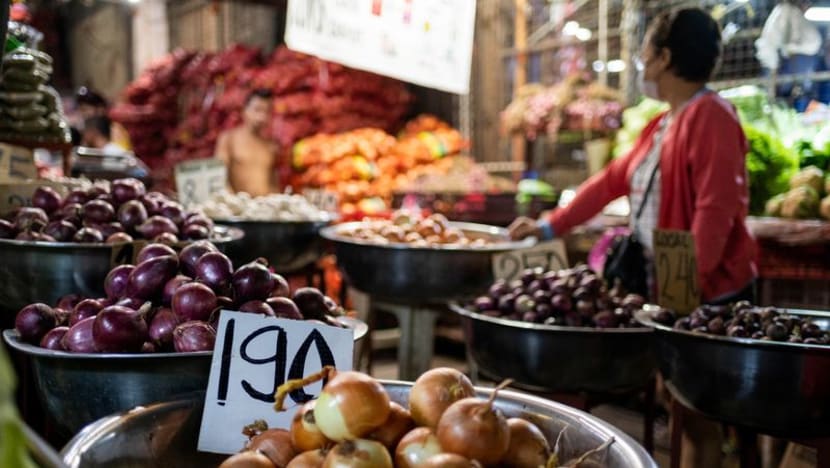
The Philippine economy experienced its strongest growth in a year during the second quarter of 2023, with a significant expansion of 5.5% year-on-year. This growth was primarily driven by a robust recovery in the agriculture sector and sustained domestic consumption. The latest figures indicate that the economy’s performance exceeded the 5.4% median forecast from a recent Reuters poll, matching the growth rate recorded in the first quarter.
Economic Planning Secretary Arsenio Balisacan highlighted this achievement during a press briefing, stating, “With this performance, we maintain our place among the fastest-growing economies in emerging Asia.” On a seasonally-adjusted basis, the economy grew by 1.5% from the previous quarter, surpassing the expected 1.3% increase.
Key Contributors to Growth
A significant contributor to the second-quarter performance was the agriculture sector, which expanded by 7%. This marked a notable increase from the previous quarter’s growth of 2.2%, according to the national statistics agency. The positive economic environment was further supported by a decline in inflation, allowing household consumption to rise by 5.5% year-on-year, the fastest increase since the beginning of 2023.
With the first half of the year already achieving a growth rate of 5.4%, reaching the lower end of the government’s full-year growth target of 5.5% to 6.5% percent is considered “very feasible,” according to Balisacan. He attributed this optimism to the effects of prior interest rate adjustments and easing inflationary pressures.
Monetary Policy Outlook
The central bank, known as Bangko Sentral ng Pilipinas, is poised to adjust its monetary policy in response to the improved economic outlook. Governor Eli Remolona indicated that the bank is on track to reduce its key interest rate, currently at a two-and-a-half-year low of 5.25%, potentially two more times this year. The timing of these cuts will depend on the evolving economic conditions, particularly concerning growth and inflation trends.
Balisacan noted that improved trade conditions also bolster the economic outlook. Recently, the United States reduced tariffs on Philippine goods from a threatened 20% to 19%, alleviating some external uncertainties. Despite earlier concerns regarding a U.S. proposal for a 100% tariff on semiconductor chips imported from countries without local production, Balisacan expressed confidence that this would not adversely impact the Philippines, stating, “I don’t expect that to be adverse because … the value added of (the Philippines’) semiconductors and electronics is not that high.”
As the Philippine economy continues to recover, these developments signal a positive trajectory for the nation’s growth in the coming months.

Drashti Dhami Showcases Intense Workout Routine on Instagram

Experts Assess Risks of Occasional Binge Drinking During Holidays

Dr. Sandeep Marwah to Lead 18th Global Film Festival Noida 2025

Japan’s Missile Sale to Boost Philippines’ Defense Strategy

Singapore Commits S$37 Billion to Research and Innovation Over 5 Years

Australia Extends Lead to 116 Runs in Second Ashes Test

Takaichi’s Leadership: A New Era for Japan’s Indo-Pacific Strategy

Singapore Commits S$37 Billion to Boost Research and Innovation

Bayern’s Luis Diaz Sees Champions League Ban Cut to Two Matches

Humanism Camp Engages 250 Youths in Summer Fest 2025

Kenvue Dismisses CEO Thibaut Mongon as Strategic Review Advances

De Minaur Triumphs at Washington Open After Thrilling Comeback

Tupou and Daugunu Join First Nations Squad for Lions Clash

Colombian Senator Miguel Uribe Shows Signs of Recovery After Attack

ASEAN Gears Up for Historic Joint Meeting of Foreign and Economic Ministers

New Study Challenges Assumptions About Aging and Inflammation

Oil Prices Surge Following New EU Sanctions on Russia

Detaşe-Sabah Violin Ensemble Captivates at Gabala Music Festival
-
 Lifestyle4 months ago
Humanism Camp Engages 250 Youths in Summer Fest 2025
-
 Business5 months ago
Kenvue Dismisses CEO Thibaut Mongon as Strategic Review Advances
-
 Sports4 months ago
De Minaur Triumphs at Washington Open After Thrilling Comeback
-
 Sports5 months ago
Tupou and Daugunu Join First Nations Squad for Lions Clash
-
 Top Stories5 months ago
Colombian Senator Miguel Uribe Shows Signs of Recovery After Attack
-
 World5 months ago
ASEAN Gears Up for Historic Joint Meeting of Foreign and Economic Ministers
-
 Health4 months ago
New Study Challenges Assumptions About Aging and Inflammation
-
 Business5 months ago
Oil Prices Surge Following New EU Sanctions on Russia
-
 Entertainment4 months ago
Detaşe-Sabah Violin Ensemble Captivates at Gabala Music Festival
-

 Entertainment4 months ago
Baku Metro Extends Hours for Justin Timberlake Concert
-

 Top Stories5 months ago
Rethinking Singapore’s F&B Regulations Amid Business Closures
-

 Business5 months ago
U.S. House Approves Stablecoin Bill, Sends to Trump for Signature