
World
US Grants TSMC Annual License for Chip Equipment Imports to China

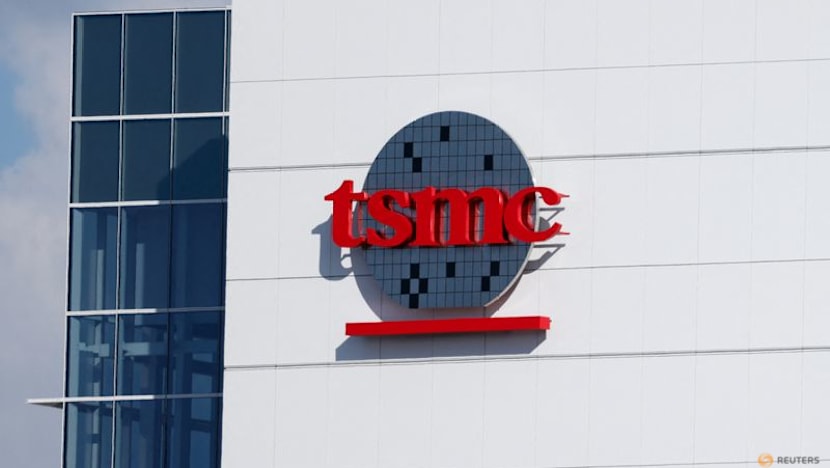
The United States government has granted an annual license to the Taiwan Semiconductor Manufacturing Company (TSMC), allowing the import of US chip manufacturing equipment to its facility in Nanjing, China. This pivotal approval, announced on January 1, 2024, ensures the continuity of operations and product deliveries at TSMC’s Nanjing plant, which produces 16-nanometre chips and other mature node semiconductors.
TSMC’s license follows similar approvals for South Korea’s Samsung Electronics and SK Hynix, both of which have also received licenses to import essential chipmaking tools. These companies had previously enjoyed exemptions from stringent US export restrictions targeting technology exports to China. However, this status, known as validated end-user status, expired on December 31, 2023, prompting the need for renewed export licenses to maintain operations through 2026.
According to TSMC, the annual export license from the US Department of Commerce allows the company to receive export-controlled items without requiring individual vendor licenses for each transaction. This streamlined process is crucial for maintaining the efficiency of TSMC’s manufacturing operations, ensuring that the facility can continue to meet its production targets.
The Nanjing plant plays a significant role in TSMC’s overall revenue, contributing approximately 2.4 percent in the company’s 2024 annual report. While the facility does not manufacture TSMC’s most advanced semiconductors, it remains an important part of the company’s global supply chain. In addition to the Nanjing site, TSMC also operates a chipmaking facility in Shanghai.
The issuance of these licenses reflects ongoing efforts by the US government to balance national security concerns with the realities of global supply chains in the semiconductor industry. As competition in technology escalates, maintaining access to critical manufacturing tools remains a priority for both US and Asian semiconductor companies.
In light of these developments, companies like TSMC, Samsung, and SK Hynix are positioned to continue their operations in China, even as they navigate the complexities of US-China relations and evolving trade policies. As the semiconductor landscape shifts, the implications of these licensing agreements will be closely monitored by industry stakeholders and government officials alike.

India Unveils Long-Range Hypersonic Missile Amid Regional Tensions

SK bioscience Launches Global Trial for Universal Sarbecovirus Vaccine

Senegal Coach Pape Thiaw Suspended and Fined After Final Disruption

PAS Denies Abolishing Chairman Post, Contradicts Muhyiddin’s Claim

Mbappé Critiques Real Madrid’s Effort After Benfica Defeat

Thailand’s December Factory Output Surges 2.52% Year-on-Year

Ishita Dutta Reveals Her Parenting Secret: Strong Coffee

Older GPs Express Concerns Over New Digital Health Record Mandate

Urban Jurgensen: A 252-Year Legacy Enters a New Era

Regina Martinez Breaks New Ground for Mexico in Cross-Country Skiing

South Korea’s Foreign Minister Cho Hyun to Visit China This Week

Starling Bank Plans Secondary Share Sale, Targeting $5.4 Billion Valuation

Munsang College Celebrates 100 Years with Grand Ceremony

PAS Aims to Expand Parliamentary Influence in Upcoming Election

De Minaur Triumphs at Washington Open After Thrilling Comeback

Kenvue Dismisses CEO Thibaut Mongon as Strategic Review Advances

Humanism Camp Engages 250 Youths in Summer Fest 2025

Colombian Senator Miguel Uribe Shows Signs of Recovery After Attack
-
 Sports2 months ago
Regina Martinez Breaks New Ground for Mexico in Cross-Country Skiing
-
 World7 months ago
South Korea’s Foreign Minister Cho Hyun to Visit China This Week
-
 Business7 months ago
Starling Bank Plans Secondary Share Sale, Targeting $5.4 Billion Valuation
-
 Top Stories7 months ago
Munsang College Celebrates 100 Years with Grand Ceremony
-
 World7 months ago
PAS Aims to Expand Parliamentary Influence in Upcoming Election
-
 Sports8 months ago
De Minaur Triumphs at Washington Open After Thrilling Comeback
-
 Business9 months ago
Kenvue Dismisses CEO Thibaut Mongon as Strategic Review Advances
-
 Lifestyle8 months ago
Humanism Camp Engages 250 Youths in Summer Fest 2025
-
 Top Stories9 months ago
Colombian Senator Miguel Uribe Shows Signs of Recovery After Attack
-

 Sports9 months ago
Tupou and Daugunu Join First Nations Squad for Lions Clash
-
 World9 months ago
ASEAN Gears Up for Historic Joint Meeting of Foreign and Economic Ministers
-

 Health8 months ago
New Study Challenges Assumptions About Aging and Inflammation