
World
Study Reveals Climate Change Intensified Nordic Heatwave by 2°C

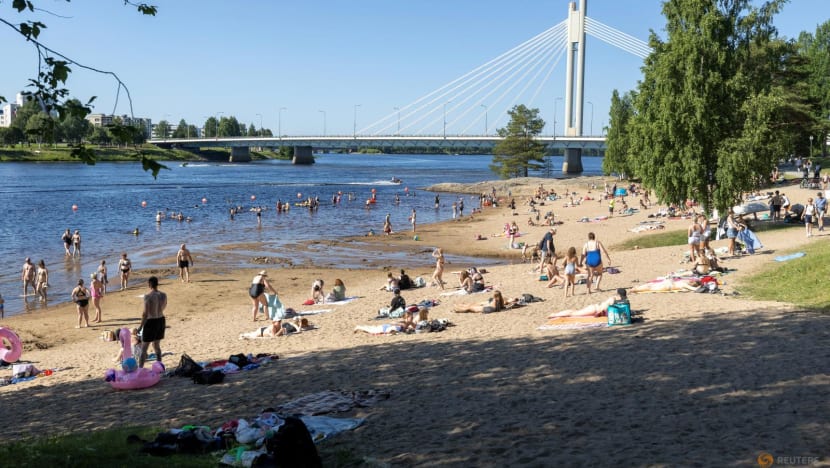
A recent study highlights that human-induced climate change increased the intensity of a heatwave in the Nordic region by approximately 2°C. This extreme weather event, which occurred in the latter half of July 2023, has placed significant strain on healthcare systems, local ecosystems, and indigenous communities, particularly the Sami reindeer herders, according to a report released on August 14, 2023, by the World Weather Attribution consortium.
During the heatwave, temperatures across Finland, Norway, and Sweden surged above 30°C for two weeks. Finland recorded an unprecedented 22 consecutive days with temperatures exceeding this mark. The extreme conditions led to numerous health-related incidents, including fainting at outdoor events, overcrowded hospitals, and a notable rise in drownings. Wildfires and algae blooms were also reported, alongside distressing sightings of reindeer seeking shade in urban areas.
The research team, consisting of approximately two dozen European scientists, concluded that climate change made the heatwave not only at least ten times more likely but also significantly hotter. The primary driver of these changes has been identified as the burning of fossil fuels, which releases greenhouse gases that contribute to global warming.
According to Clair Barnes, a researcher at the Centre for Environmental Policy at Imperial College London, “Climate change is fundamentally reshaping the world we live in.” She noted that traditionally cold-climate countries, such as Norway, Sweden, and Finland, are now grappling with unprecedented heat levels. The recent heatwave has strained health systems and disrupted the daily lives of residents and wildlife alike.
The report highlights that temperatures in the Nordic region were expected to approach 30°C again shortly after the study’s release. Historically, these countries have not been regarded as vulnerable to such heat extremes.
Maja Vahlberg, a climate consultant with the Swedish Red Cross, stressed that the region’s infrastructure is inadequately equipped to handle these rising temperatures. “Our infrastructure was not built to withstand these extreme temperatures, and our ageing population is increasingly susceptible to dangerous heat,” she stated. Many buildings in the area are designed for insulation but lack proper ventilation, exacerbating the impact of the heat.
The study also addressed the challenges facing the indigenous Sami reindeer herders in northern regions. Traditionally, reindeer migrate to higher grounds during the summer months to escape the heat. However, these areas are becoming less hospitable, leading to overheating and difficulties in accessing food and water. Additionally, changing weather patterns are causing more snow to fall as rain during winter, creating layers of ice that hinder reindeer from foraging.
Research indicates that the Arctic is warming at a rate faster than any other part of the globe. Barnes mentioned that the probability of experiencing a prolonged heatwave similar to the one seen in July has nearly doubled since 2018, when the region last faced such extreme conditions.
The findings underscore the urgent need for a transition from fossil fuels to renewable energy sources, as emphasized by Barnes. “A rapid transition from fossil fuels to renewable energy is the only way to slow and, hopefully, ultimately stop this warming,” she concluded. The implications of this research are critical, not only for the Nordic countries but for global efforts to combat climate change and its far-reaching effects.

India Unveils Long-Range Hypersonic Missile Amid Regional Tensions

SK bioscience Launches Global Trial for Universal Sarbecovirus Vaccine

Senegal Coach Pape Thiaw Suspended and Fined After Final Disruption

PAS Denies Abolishing Chairman Post, Contradicts Muhyiddin’s Claim

Mbappé Critiques Real Madrid’s Effort After Benfica Defeat

Thailand’s December Factory Output Surges 2.52% Year-on-Year

Ishita Dutta Reveals Her Parenting Secret: Strong Coffee

Older GPs Express Concerns Over New Digital Health Record Mandate

Urban Jurgensen: A 252-Year Legacy Enters a New Era

Regina Martinez Breaks New Ground for Mexico in Cross-Country Skiing

South Korea’s Foreign Minister Cho Hyun to Visit China This Week

Starling Bank Plans Secondary Share Sale, Targeting $5.4 Billion Valuation

Munsang College Celebrates 100 Years with Grand Ceremony

PAS Aims to Expand Parliamentary Influence in Upcoming Election

De Minaur Triumphs at Washington Open After Thrilling Comeback

Kenvue Dismisses CEO Thibaut Mongon as Strategic Review Advances

Humanism Camp Engages 250 Youths in Summer Fest 2025

Colombian Senator Miguel Uribe Shows Signs of Recovery After Attack
-
 Sports2 months ago
Regina Martinez Breaks New Ground for Mexico in Cross-Country Skiing
-
 World6 months ago
South Korea’s Foreign Minister Cho Hyun to Visit China This Week
-
 Business7 months ago
Starling Bank Plans Secondary Share Sale, Targeting $5.4 Billion Valuation
-
 Top Stories7 months ago
Munsang College Celebrates 100 Years with Grand Ceremony
-
 World6 months ago
PAS Aims to Expand Parliamentary Influence in Upcoming Election
-
 Sports8 months ago
De Minaur Triumphs at Washington Open After Thrilling Comeback
-
 Business8 months ago
Kenvue Dismisses CEO Thibaut Mongon as Strategic Review Advances
-
 Lifestyle8 months ago
Humanism Camp Engages 250 Youths in Summer Fest 2025
-
 Top Stories8 months ago
Colombian Senator Miguel Uribe Shows Signs of Recovery After Attack
-

 Sports8 months ago
Tupou and Daugunu Join First Nations Squad for Lions Clash
-

 World8 months ago
ASEAN Gears Up for Historic Joint Meeting of Foreign and Economic Ministers
-

 Health8 months ago
New Study Challenges Assumptions About Aging and Inflammation