
World
Sanctioned Oil Tankers Depart Venezuela Following US Naval Action

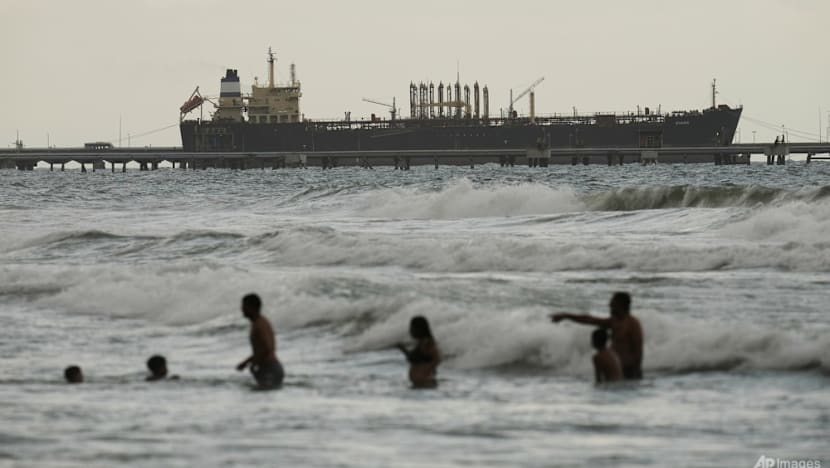
At least 16 oil tankers under U.S. sanctions have departed Venezuelan waters following the capture of President Nicolas Maduro by U.S. forces on January 10, 2024. According to maritime surveillance analysts from Tanker Trackers, these vessels were carrying approximately 12 million barrels of crude oil and refined oil products.
On January 13, 2024, satellite images from the European Copernicus programme confirmed that four of the tankers were heading north from Venezuela. These vessels have been identified as the Aquila II, Bertha, Veronica III, and Vesna. All four tankers are subject to U.S. sanctions due to the December 16 naval blockade imposed by former President Donald Trump on sanctioned oil tankers arriving at or departing from Venezuela.
The situation surrounding these tankers highlights ongoing tensions surrounding Venezuela’s oil exports. The first three tankers are reportedly transporting crude oil, while the Vesna is empty. Satellite data confirmed that the Vesna was located approximately 40 kilometers east of Grenada on January 14, 2024, a significant distance from its earlier position.
According to further analysis from Kpler, eleven of the remaining twelve oil tankers whose locations were not confirmed by January 15, 2024, are also under U.S. sanctions. These include the Volans, Lydya N, Lyra, Merope, Min Hang, M Sophia, Nayara (also known as Themis), Olina (Minerva M), Rosalin (Nurkez), Thalia III, and Veronica (Pegas). The final tanker, the Sea Maverick, is not under U.S. sanctions but is subject to those imposed by Britain and the European Union due to suspected ties to a phantom fleet transporting Russian oil.
In recent days, many of the oil tankers that have left Venezuela reportedly disabled their AIS transponders or transmitted false GPS location signals. This behavior raises concerns about transparency and compliance with international maritime regulations. The U.S. blockade could potentially impact up to 600 oil tankers under U.S. sanctions, as analyzed by AFP using data from the U.S. Office of Foreign Assets Control and the International Maritime Organization.
The departure of these tankers marks a significant moment in the complex geopolitical landscape surrounding Venezuela’s oil industry and its ongoing struggles against international sanctions.

India Unveils Long-Range Hypersonic Missile Amid Regional Tensions

SK bioscience Launches Global Trial for Universal Sarbecovirus Vaccine

Senegal Coach Pape Thiaw Suspended and Fined After Final Disruption

PAS Denies Abolishing Chairman Post, Contradicts Muhyiddin’s Claim

Mbappé Critiques Real Madrid’s Effort After Benfica Defeat

Thailand’s December Factory Output Surges 2.52% Year-on-Year

Ishita Dutta Reveals Her Parenting Secret: Strong Coffee

Older GPs Express Concerns Over New Digital Health Record Mandate

Urban Jurgensen: A 252-Year Legacy Enters a New Era

Regina Martinez Breaks New Ground for Mexico in Cross-Country Skiing

South Korea’s Foreign Minister Cho Hyun to Visit China This Week

Starling Bank Plans Secondary Share Sale, Targeting $5.4 Billion Valuation

Munsang College Celebrates 100 Years with Grand Ceremony

PAS Aims to Expand Parliamentary Influence in Upcoming Election

De Minaur Triumphs at Washington Open After Thrilling Comeback

Kenvue Dismisses CEO Thibaut Mongon as Strategic Review Advances

Humanism Camp Engages 250 Youths in Summer Fest 2025

Colombian Senator Miguel Uribe Shows Signs of Recovery After Attack
-
 Sports3 months ago
Regina Martinez Breaks New Ground for Mexico in Cross-Country Skiing
-
 World8 months ago
South Korea’s Foreign Minister Cho Hyun to Visit China This Week
-
 Business8 months ago
Starling Bank Plans Secondary Share Sale, Targeting $5.4 Billion Valuation
-
 Top Stories8 months ago
Munsang College Celebrates 100 Years with Grand Ceremony
-
 World8 months ago
PAS Aims to Expand Parliamentary Influence in Upcoming Election
-
 Sports9 months ago
De Minaur Triumphs at Washington Open After Thrilling Comeback
-
 Business10 months ago
Kenvue Dismisses CEO Thibaut Mongon as Strategic Review Advances
-
 Lifestyle9 months ago
Humanism Camp Engages 250 Youths in Summer Fest 2025
-
 Top Stories10 months ago
Colombian Senator Miguel Uribe Shows Signs of Recovery After Attack
-

 Sports10 months ago
Tupou and Daugunu Join First Nations Squad for Lions Clash
-
 World10 months ago
ASEAN Gears Up for Historic Joint Meeting of Foreign and Economic Ministers
-

 Health9 months ago
New Study Challenges Assumptions About Aging and Inflammation