
World
Etihad Airways Revives A380: Aircraft Returns After Five Years

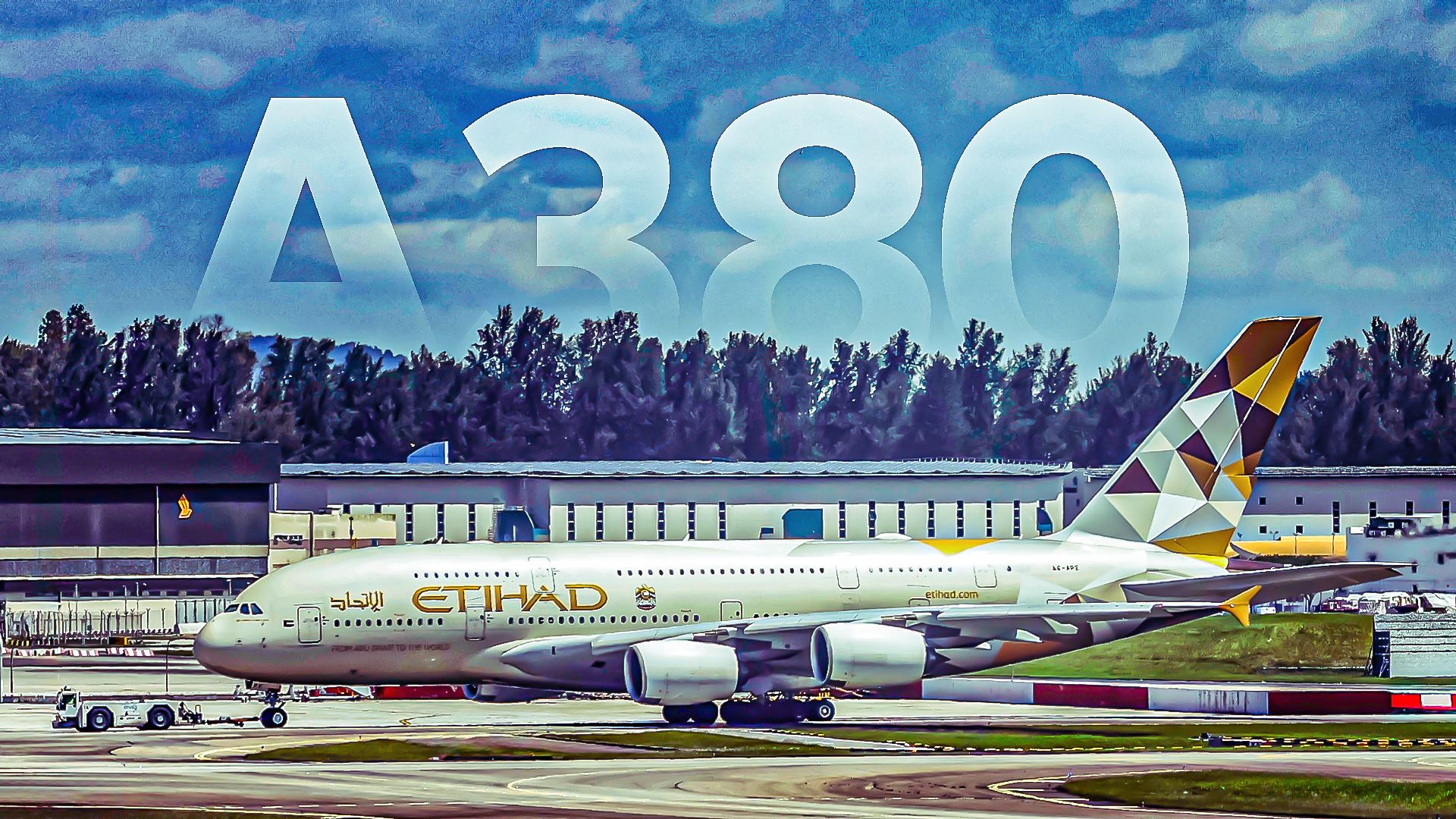
Etihad Airways has successfully reactivated one of its Airbus A380 aircraft, which had been stored for over five years. The aircraft, registered as A6-APC, took off from Tarbes-Lourdes-Pyrénées Airport in France, marking its return to service after a prolonged hiatus due to the impacts of the coronavirus pandemic. This flight is part of a broader trend as airlines resume operations and respond to the recovering demand for air travel.
The Airbus A380 departed France at 09:32 local time and is expected to arrive at Abu Dhabi International Airport by 18:38. This particular aircraft had been grounded since March 24, 2020, when Etihad, like many airlines, suspended its A380 operations as the pandemic unfolded. The decision to ground the superjumbo was a significant one, considering the aircraft’s capacity and operational costs.
For nearly six years, A6-APC remained inactive, moving to long-term storage first in Abu Dhabi and later in France. The aircraft was stored at Abu Dhabi International Airport until December 16, 2020, when it was moved to Tarbes, a facility known for accommodating large aircraft, including the A380. This move followed a period of uncertainty in the aviation sector, which faced extensive disruptions due to the pandemic.
Resurgence of the A380 Fleet
The reactivation of A6-APC comes as Etihad Airways prepares to bolster its fleet. According to Majed Al Marzouqi, Chief Operations and Guest Officer at Etihad, the airline currently operates seven of its ten A380s, with plans to activate additional aircraft in the near future. Al Marzouqi stated last year, “We have ten A380s. Out of the ten today, seven of them are operational, and we are activating numbers eight and nine next year.” This indicates a strategic move to capitalize on the resurgence in travel demand.
The A380s operated by Etihad are renowned for their luxury, with the upper deck featuring plush seating for 70 business class and nine first class guests in exclusive suites. The aircraft also includes the iconic ‘Residence,’ a three-room space offering an unparalleled experience in the skies. The lower deck is configured entirely for economy, accommodating 405 passengers.
A Broader Trend in Aviation
Etihad’s decision to bring A6-APC back into service reflects a wider recovery trend within the aviation industry. Many airlines are reinstating A380 operations as global travel rebounds. The aircraft’s significant capacity makes it an attractive option as demand continues to rise. Other airlines, similarly affected by the pandemic, are also reactivating their A380 fleets.
The return of A6-APC is part of a phased approach by Etihad, which seeks to enhance its service offerings and meet the growing passenger demand. The airline had previously moved several A380s to storage facilities in France and Spain during the pandemic, with some aircraft returning to service earlier this year.
As the aviation sector navigates the post-pandemic landscape, the reactivation of aircraft like the A380 signals optimism and a commitment to restoring global connectivity. The return of Etihad’s superjumbo not only marks a significant milestone for the airline but also represents a broader recovery for the industry as it adapts to new travel patterns and preferences.

India Unveils Long-Range Hypersonic Missile Amid Regional Tensions

SK bioscience Launches Global Trial for Universal Sarbecovirus Vaccine

Senegal Coach Pape Thiaw Suspended and Fined After Final Disruption

PAS Denies Abolishing Chairman Post, Contradicts Muhyiddin’s Claim

Mbappé Critiques Real Madrid’s Effort After Benfica Defeat

Thailand’s December Factory Output Surges 2.52% Year-on-Year

Ishita Dutta Reveals Her Parenting Secret: Strong Coffee

Older GPs Express Concerns Over New Digital Health Record Mandate

Urban Jurgensen: A 252-Year Legacy Enters a New Era

Regina Martinez Breaks New Ground for Mexico in Cross-Country Skiing

South Korea’s Foreign Minister Cho Hyun to Visit China This Week

Starling Bank Plans Secondary Share Sale, Targeting $5.4 Billion Valuation

Munsang College Celebrates 100 Years with Grand Ceremony

PAS Aims to Expand Parliamentary Influence in Upcoming Election

De Minaur Triumphs at Washington Open After Thrilling Comeback

Kenvue Dismisses CEO Thibaut Mongon as Strategic Review Advances

Humanism Camp Engages 250 Youths in Summer Fest 2025

Colombian Senator Miguel Uribe Shows Signs of Recovery After Attack
-
 Sports2 months ago
Regina Martinez Breaks New Ground for Mexico in Cross-Country Skiing
-
 World7 months ago
South Korea’s Foreign Minister Cho Hyun to Visit China This Week
-
 Business7 months ago
Starling Bank Plans Secondary Share Sale, Targeting $5.4 Billion Valuation
-
 Top Stories7 months ago
Munsang College Celebrates 100 Years with Grand Ceremony
-
 World7 months ago
PAS Aims to Expand Parliamentary Influence in Upcoming Election
-
 Sports8 months ago
De Minaur Triumphs at Washington Open After Thrilling Comeback
-
 Business9 months ago
Kenvue Dismisses CEO Thibaut Mongon as Strategic Review Advances
-
 Lifestyle8 months ago
Humanism Camp Engages 250 Youths in Summer Fest 2025
-
 Top Stories9 months ago
Colombian Senator Miguel Uribe Shows Signs of Recovery After Attack
-

 Sports9 months ago
Tupou and Daugunu Join First Nations Squad for Lions Clash
-

 World9 months ago
ASEAN Gears Up for Historic Joint Meeting of Foreign and Economic Ministers
-

 Health8 months ago
New Study Challenges Assumptions About Aging and Inflammation