
Top Stories
Yen Strengthens as Traders Anticipate Possible Intervention

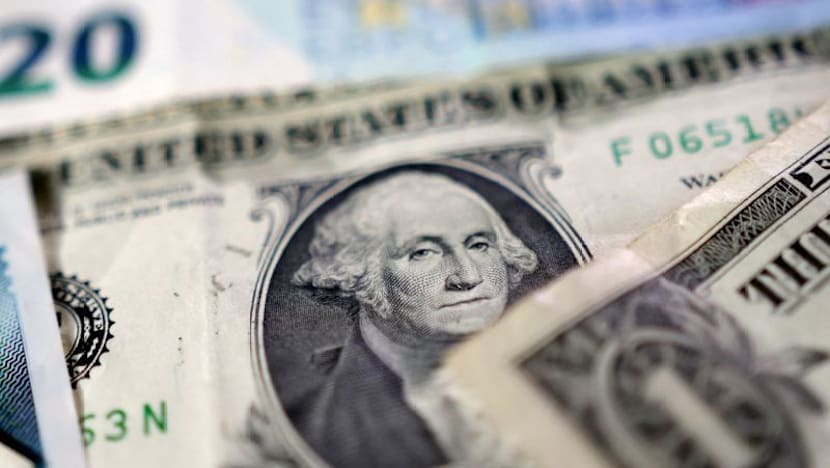
The Japanese yen appreciated against the U.S. dollar on December 24, 2023, as traders remained cautious about the potential for intervention by Japanese officials. This modest gain comes despite the yen’s continued weakness following a recent interest rate hike by the Bank of Japan on December 22. Market activity is expected to be subdued leading into the Christmas holiday, with many international markets closed the following day.
After the long-anticipated rate increase, some market participants expressed disappointment with comments from Governor Kazuo Ueda, who did not adopt a more aggressive stance on monetary policy. This has heightened investor awareness regarding the possibility of official action from Tokyo to support the yen. Analysts note that as trading volumes decrease towards the year-end, this period may present a favorable opportunity for authorities to intervene.
Official Statements and Market Reactions
On December 23, Finance Minister Satsuki Katayama indicated that Japan maintains the flexibility to address excessive fluctuations in the yen’s value. Her remarks marked a significant warning about the government’s readiness to intervene in foreign exchange markets, which helped to stabilize the currency. By the end of the trading day, the yen had risen by 0.25 percent against the U.S. dollar, reaching a value of 155.84 yen per dollar. For context, the dollar had previously peaked at 157.77 yen last Friday.
According to FX analysts at LMAX Group, the yen’s recent pullback can be attributed to repeated warnings from Japanese officials regarding potential foreign exchange interventions, which have limited further gains.
Mixed Performance of the U.S. Dollar
The performance of the U.S. dollar was mixed on the same day. The dollar index, which assesses the currency against a basket of others including the euro and the yen, rose by 0.07 percent to 97.96. The euro decreased by 0.14 percent, trading at $1.1778, while the British pound fell by 0.13 percent to $1.3498. In contrast, the Australian dollar gained 0.07 percent, reaching $0.6705, and the Canadian dollar increased by 0.11 percent to C$1.367 per U.S. dollar.
The dollar has faced downward pressure this year as the Federal Reserve has been reducing interest rates, with further cuts expected in 2024. Fed officials are currently navigating the complexities of a slowing job market while grappling with ongoing inflation concerns. Recent data revealed that consumer prices rose less than anticipated in November, although traders remain cautious due to potential gaps in economic data collection stemming from a recent 43-day government shutdown.
A report released on December 24 indicated that the number of new jobless benefit applications in the U.S. unexpectedly declined last week. However, analysts suggest that the unemployment rate is likely to remain elevated in December due to sluggish hiring trends. Fed funds futures traders are factoring in two rate cuts of 25 basis points each for 2024, with the first cut likely occurring in April.
In the realm of cryptocurrencies, bitcoin experienced a slight decline of 0.39 percent, trading at $87,330.
In summary, the yen’s modest gain against the dollar reflects market apprehension regarding potential intervention from Japanese authorities, while the U.S. dollar’s mixed performance underscores the challenges faced by the Federal Reserve in the current economic climate.

India Unveils Long-Range Hypersonic Missile Amid Regional Tensions

SK bioscience Launches Global Trial for Universal Sarbecovirus Vaccine

Senegal Coach Pape Thiaw Suspended and Fined After Final Disruption

PAS Denies Abolishing Chairman Post, Contradicts Muhyiddin’s Claim

Mbappé Critiques Real Madrid’s Effort After Benfica Defeat

Thailand’s December Factory Output Surges 2.52% Year-on-Year

Ishita Dutta Reveals Her Parenting Secret: Strong Coffee

Older GPs Express Concerns Over New Digital Health Record Mandate

Urban Jurgensen: A 252-Year Legacy Enters a New Era

Regina Martinez Breaks New Ground for Mexico in Cross-Country Skiing

South Korea’s Foreign Minister Cho Hyun to Visit China This Week

Starling Bank Plans Secondary Share Sale, Targeting $5.4 Billion Valuation

Munsang College Celebrates 100 Years with Grand Ceremony

PAS Aims to Expand Parliamentary Influence in Upcoming Election

De Minaur Triumphs at Washington Open After Thrilling Comeback

Kenvue Dismisses CEO Thibaut Mongon as Strategic Review Advances

Humanism Camp Engages 250 Youths in Summer Fest 2025

Colombian Senator Miguel Uribe Shows Signs of Recovery After Attack
-
 Sports3 months ago
Regina Martinez Breaks New Ground for Mexico in Cross-Country Skiing
-
 World8 months ago
South Korea’s Foreign Minister Cho Hyun to Visit China This Week
-
 Business8 months ago
Starling Bank Plans Secondary Share Sale, Targeting $5.4 Billion Valuation
-
 Top Stories8 months ago
Munsang College Celebrates 100 Years with Grand Ceremony
-
 World8 months ago
PAS Aims to Expand Parliamentary Influence in Upcoming Election
-
 Sports9 months ago
De Minaur Triumphs at Washington Open After Thrilling Comeback
-
 Business10 months ago
Kenvue Dismisses CEO Thibaut Mongon as Strategic Review Advances
-
 Lifestyle9 months ago
Humanism Camp Engages 250 Youths in Summer Fest 2025
-
 Top Stories10 months ago
Colombian Senator Miguel Uribe Shows Signs of Recovery After Attack
-

 Sports10 months ago
Tupou and Daugunu Join First Nations Squad for Lions Clash
-

 World10 months ago
ASEAN Gears Up for Historic Joint Meeting of Foreign and Economic Ministers
-

 Health9 months ago
New Study Challenges Assumptions About Aging and Inflammation