
Top Stories
Singapore Halts Sale of Nestle NAN Infant Formula Over Toxin Risk

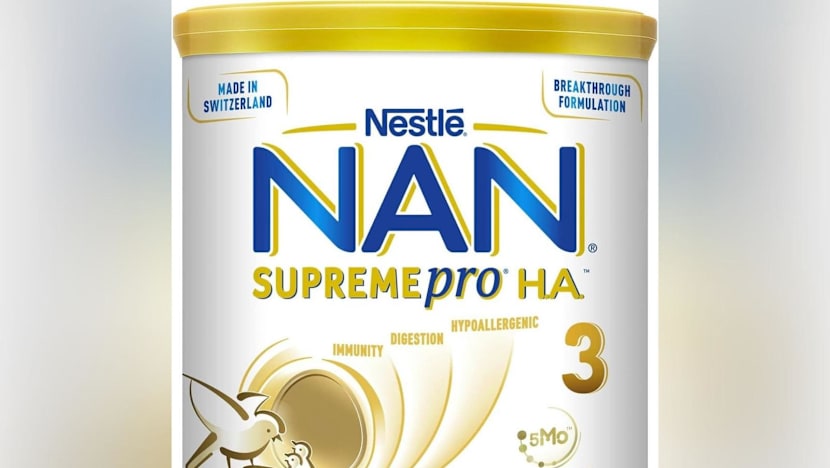
The Singapore Food Agency (SFA) announced on January 8, 2024, a halt to the sale of five batches of Nestle NAN infant formula and follow-on formula. This precautionary measure was taken due to the potential presence of cereulide toxin, which can pose health risks, particularly to infants. The SFA stated that the suspension will remain in effect while investigations are underway.
This action follows notifications from the European Commission’s Rapid Alert System for Food and Feed and the International Food Safety Authorities Network regarding the recall of the affected infant formula. No confirmed cases of illness related to this product have been reported in Singapore as of now, but investigations by both the SFA and the Communicable Diseases Agency (CDA) are ongoing.
Health Risks and Consumer Advisory
The five batches in question were produced in Switzerland. Cereulide is a toxin that can lead to gastrointestinal symptoms such as nausea, vomiting, abdominal cramps, and diarrhea, which typically manifest between 30 minutes to six hours after consuming contaminated food. While symptoms usually resolve within 24 hours, infants and other vulnerable groups face a higher risk for complications, the SFA noted.
Currently, there are no established international standards for acceptable levels of cereulide toxin in infant formula, according to the Codex Alimentarius Commission and various overseas food safety authorities. The SFA is collaborating closely with the CDA, which is monitoring hospitals for potential cases of cereulide poisoning among children.
In light of the situation, the SFA has advised consumers who purchased the affected products not to feed them to their children. Additionally, parents whose children have consumed these products and are experiencing health issues should seek medical advice promptly.
Nestle’s Response and Broader Recall
A representative from Nestle Singapore stated that no stocks are currently being recalled within the country. The spokesperson confirmed that a thorough review of all stocks revealed that two batches required “additional review.” Subsequent laboratory testing, however, confirmed the safety of these batches for consumption. The spokesperson emphasized that all other products sold by Nestle Singapore remain safe.
“We have engaged SFA proactively and are working closely with them to provide full visibility on the situation,” the spokesperson added.
Initially, Nestle recalled the affected infant formula in Europe, but the recall has since expanded to include markets in Africa, the Americas, and Asia. Health warnings regarding the potentially contaminated Nestle infant formulas have been issued in at least 37 countries, including most European states, as well as Australia, Brazil, China, Mexico, and South Africa. As of this report, no illnesses have been confirmed in relation to the affected batches.
On January 6, 2024, Nestle disclosed that it had tested all arachidonic acid oil and related oil mixes used in producing the potentially affected infant nutrition products after a quality issue was identified with an ingredient from a major supplier. The company is now increasing production and activating alternative suppliers of the acid oil to maintain supply.

India Unveils Long-Range Hypersonic Missile Amid Regional Tensions

SK bioscience Launches Global Trial for Universal Sarbecovirus Vaccine

Senegal Coach Pape Thiaw Suspended and Fined After Final Disruption

PAS Denies Abolishing Chairman Post, Contradicts Muhyiddin’s Claim

Mbappé Critiques Real Madrid’s Effort After Benfica Defeat

Thailand’s December Factory Output Surges 2.52% Year-on-Year

Ishita Dutta Reveals Her Parenting Secret: Strong Coffee

Older GPs Express Concerns Over New Digital Health Record Mandate

Urban Jurgensen: A 252-Year Legacy Enters a New Era

South Korea’s Foreign Minister Cho Hyun to Visit China This Week

Starling Bank Plans Secondary Share Sale, Targeting $5.4 Billion Valuation

Munsang College Celebrates 100 Years with Grand Ceremony

PAS Aims to Expand Parliamentary Influence in Upcoming Election

Kenvue Dismisses CEO Thibaut Mongon as Strategic Review Advances

Humanism Camp Engages 250 Youths in Summer Fest 2025

De Minaur Triumphs at Washington Open After Thrilling Comeback

Tupou and Daugunu Join First Nations Squad for Lions Clash

Colombian Senator Miguel Uribe Shows Signs of Recovery After Attack
-
 World5 months ago
South Korea’s Foreign Minister Cho Hyun to Visit China This Week
-
 Business5 months ago
Starling Bank Plans Secondary Share Sale, Targeting $5.4 Billion Valuation
-
 Top Stories5 months ago
Munsang College Celebrates 100 Years with Grand Ceremony
-
 World5 months ago
PAS Aims to Expand Parliamentary Influence in Upcoming Election
-
 Business7 months ago
Kenvue Dismisses CEO Thibaut Mongon as Strategic Review Advances
-
 Lifestyle6 months ago
Humanism Camp Engages 250 Youths in Summer Fest 2025
-
 Sports6 months ago
De Minaur Triumphs at Washington Open After Thrilling Comeback
-
 Sports7 months ago
Tupou and Daugunu Join First Nations Squad for Lions Clash
-
 Top Stories7 months ago
Colombian Senator Miguel Uribe Shows Signs of Recovery After Attack
-

 World7 months ago
ASEAN Gears Up for Historic Joint Meeting of Foreign and Economic Ministers
-

 Health6 months ago
New Study Challenges Assumptions About Aging and Inflammation
-

 Business7 months ago
Oil Prices Surge Following New EU Sanctions on Russia