
Top Stories
Seven Proven Strategies to Enhance Gut Health for Life

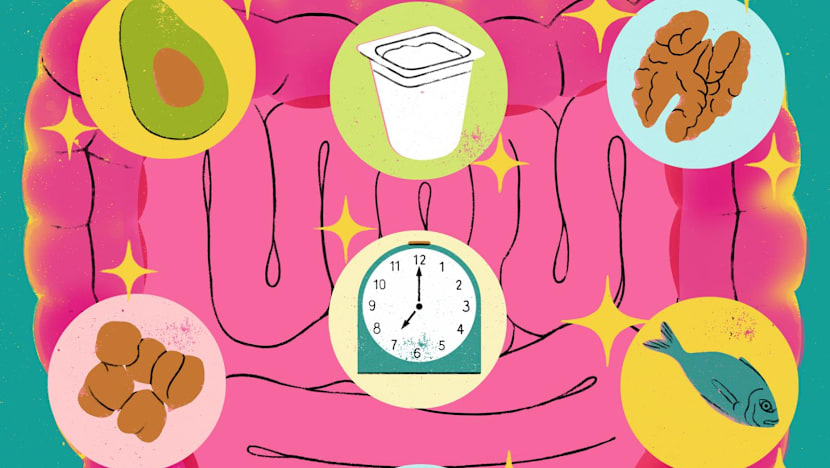
In recent years, public interest in gut health has surged, with many seeking effective ways to improve digestion and overall well-being. According to Dr. Kyle Staller, a gastroenterologist at Massachusetts General Hospital, maintaining good gut health can significantly reduce the risk of various conditions, including Type 2 diabetes, cardiovascular disease, and certain cancers. While social media is replete with tips for relieving digestive issues, not all advice is scientifically supported. Here are seven evidence-based methods to enhance gut health.
1. Prioritize Fiber Intake
Many individuals, particularly in the United States, fail to consume adequate fiber. Experts highlight that fiber plays a crucial role in promoting regular bowel movements and fostering a healthy gut microbiome. Anissa Armet, a nutrition researcher at the University of Alberta, recommends simple ways to boost fiber intake. Suggestions include adding chickpeas to salads, substituting lentils for some meat in chili, and blending white beans into soups.
Dr. Armet also advocates for a “fiber booster” blend of chia seeds, flax seeds, wheat bran, and psyllium husk, which can be sprinkled on various dishes. Fruits and vegetables, such as raspberries, apples, and avocados, are also rich in fiber. It is advisable to increase fiber gradually to avoid discomfort, as sudden changes can lead to bloating and gas.
2. Incorporate Fermented Foods
Fermented foods like yogurt, kefir, and sauerkraut are excellent for gut health, as they introduce beneficial bacteria into the digestive system. According to Dalia Perelman, a dietitian at Stanford, these foods also contain compounds that help reduce inflammation and maintain a healthy gut lining. Adding fermented vegetables to salads or consuming plain yogurt sweetened with honey or fruit can be beneficial for overall gut health.
3. Adopt a Mediterranean-Style Diet
The Mediterranean diet, rich in fruits, vegetables, whole grains, legumes, nuts, and healthy fats, has long been praised for its cardiovascular benefits. Recent studies suggest it also alleviates digestive symptoms. In trials conducted in 2025, participants with irritable bowel syndrome who followed this diet for four to six weeks reported significant improvements in symptoms like abdominal pain and bloating.
4. Maintain a Regular Sleep and Breakfast Routine
Research indicates that the gut operates on a circadian rhythm similar to the brain. Dr. Staller emphasizes the importance of a consistent sleep schedule, as irregular sleep patterns can exacerbate digestive issues like constipation and reflux. Additionally, eating breakfast shortly after waking can stimulate gut activity, aiding in regularity. Drinking coffee can have a similar effect, making morning routines crucial for digestive health.
5. Engage in Regular Physical Activity
Physical activity is essential for maintaining a healthy digestive system. Dr. John Nathanson, a gastroenterologist at the Columbia University Irving Medical Center, notes that movement, whether through walking or jogging, promotes digestive health by utilizing gravity to assist food movement through the intestines. Regular exercise can also enhance muscle contractions in the digestive organs, facilitating smoother digestion.
6. Limit Alcohol Consumption
Excessive alcohol intake can negatively impact gut health, with potential consequences including acid reflux, bloating, and an increased risk of colorectal cancer. Dr. Jasmohan Bajaj, a professor of medicine at Virginia Commonwealth University, cautions that binge drinking can compromise the gut lining, allowing harmful toxins to enter the bloodstream. Reducing alcohol consumption is a critical step towards improving overall gut health.
7. Screen for Colorectal Cancer
Early detection of colorectal cancer is vital for protecting gut health. Dr. Nathanson emphasizes that screening is essential, particularly as rates of this cancer are rising among younger adults. Most individuals should begin screening at age 45, using methods such as at-home stool tests or colonoscopies. These screenings not only detect cancer but can also remove precancerous growths, further preventing disease.
In summary, adopting these seven strategies can significantly enhance gut health and overall well-being. Individuals experiencing concerning symptoms, such as blood in stool or unexplained weight loss, should consult a healthcare provider promptly. Prioritizing gut health not only prevents digestive issues but also plays a pivotal role in long-term health outcomes.

India Unveils Long-Range Hypersonic Missile Amid Regional Tensions

SK bioscience Launches Global Trial for Universal Sarbecovirus Vaccine

Senegal Coach Pape Thiaw Suspended and Fined After Final Disruption

PAS Denies Abolishing Chairman Post, Contradicts Muhyiddin’s Claim

Mbappé Critiques Real Madrid’s Effort After Benfica Defeat

Thailand’s December Factory Output Surges 2.52% Year-on-Year

Ishita Dutta Reveals Her Parenting Secret: Strong Coffee

Older GPs Express Concerns Over New Digital Health Record Mandate

Urban Jurgensen: A 252-Year Legacy Enters a New Era

Regina Martinez Breaks New Ground for Mexico in Cross-Country Skiing

South Korea’s Foreign Minister Cho Hyun to Visit China This Week

Starling Bank Plans Secondary Share Sale, Targeting $5.4 Billion Valuation

Munsang College Celebrates 100 Years with Grand Ceremony

PAS Aims to Expand Parliamentary Influence in Upcoming Election

De Minaur Triumphs at Washington Open After Thrilling Comeback

Kenvue Dismisses CEO Thibaut Mongon as Strategic Review Advances

Humanism Camp Engages 250 Youths in Summer Fest 2025

Colombian Senator Miguel Uribe Shows Signs of Recovery After Attack
-
 Sports2 months ago
Regina Martinez Breaks New Ground for Mexico in Cross-Country Skiing
-
 World6 months ago
South Korea’s Foreign Minister Cho Hyun to Visit China This Week
-
 Business6 months ago
Starling Bank Plans Secondary Share Sale, Targeting $5.4 Billion Valuation
-
 Top Stories6 months ago
Munsang College Celebrates 100 Years with Grand Ceremony
-
 World6 months ago
PAS Aims to Expand Parliamentary Influence in Upcoming Election
-
 Sports8 months ago
De Minaur Triumphs at Washington Open After Thrilling Comeback
-
 Business8 months ago
Kenvue Dismisses CEO Thibaut Mongon as Strategic Review Advances
-
 Lifestyle8 months ago
Humanism Camp Engages 250 Youths in Summer Fest 2025
-
 Top Stories8 months ago
Colombian Senator Miguel Uribe Shows Signs of Recovery After Attack
-

 Sports8 months ago
Tupou and Daugunu Join First Nations Squad for Lions Clash
-

 World8 months ago
ASEAN Gears Up for Historic Joint Meeting of Foreign and Economic Ministers
-

 Health8 months ago
New Study Challenges Assumptions About Aging and Inflammation