
Top Stories
Set Strength Goals: 5 Key Steps to Enhance Your Fitness

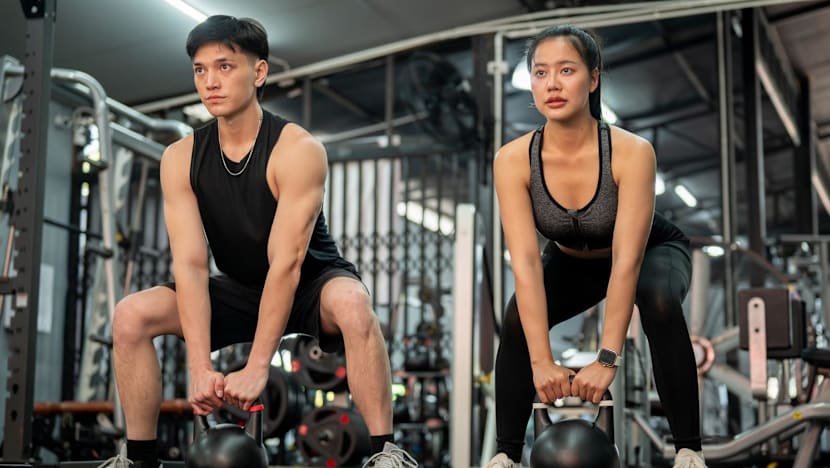
Strength training is increasingly recognized as a vital component of overall health. It not only promotes longevity and enhances mood but also improves cognitive function and bone density. Personal trainer Marlie Cohen from Toronto emphasizes that building strength can enhance daily activities, making them easier and more enjoyable. Here are five actionable strength training goals to help individuals of all fitness levels achieve lasting results.
Focus on Functional Strength
Incorporating strength training into your routine can significantly improve everyday movements. Activities like sitting down or standing up from a chair engage multiple joints and muscles. Disa Hatfield, a professor of kinesiology at the University of Rhode Island, refers to daily life as an “athletic event.” Thus, it is crucial to train for these movements. The six primary movements to master include hinge, squat, lunge, push, pull, and rotate. A full-body workout twice a week, with at least 48 hours of rest between sessions, can effectively build functional strength.
Perfect Your Deadlift Technique
The deadlift is a fundamental exercise that helps develop core stability while lifting. This skill translates to everyday tasks, such as picking up children or carrying groceries. Cohen describes the deadlift as “one of the most practical ways to train for strength and longevity.” Beginners should start with body weight to establish proper form before progressing to kettlebell or Romanian deadlifts. Once comfortable, individuals can incorporate variations like single-arm suitcase deadlifts and dumbbell deadlifts. Aiming for three sets of six to eight repetitions, with rest intervals of 90 to 120 seconds, can foster gradual improvement.
Create a Structured Training Plan
Establishing a well-defined workout program is essential for reaching strength goals. Clinical psychologist and coach Justin Ross highlights the importance of tracking progress, noting that many individuals burn out when they do not follow a structured plan. A tailored fitness regimen can help break down larger goals into smaller, manageable steps. When logging workouts, Ross advises focusing on useful metrics such as weight lifted, repetitions, and sets. This approach can enhance awareness and build confidence over time, making the journey less daunting.
Push Your Limits Safely
To effectively increase strength, it is necessary to challenge muscles by approaching their limits. This often involves training close to failure, meaning the point at which further repetitions would compromise form. Initial strength gains are common within the first eight to ten weeks of training, as noted by Hatfield. However, reaching a plateau is normal; thus, individuals need to increase resistance to continue progressing. The “reps in reserve” scale can help determine when to increase weight. If you can perform more than two additional repetitions without losing form, it may be time to add weight.
Prioritize Recovery and Mobility
Recovery is a critical aspect of any strength training regimen, especially for newcomers. Dr. Miho Tanaka from Mass General Brigham emphasizes that unfamiliar exercises can fatigue muscles, necessitating adequate recovery time. Overexertion can lead to injuries, particularly as muscles and joints adapt to new demands. Tanaka advises performing dynamic mobility exercises for five minutes before workouts to prevent stiffness, especially as individuals age. Incorporating gentle activities like swimming or walking during recovery days can further aid in muscle repair. For optimal results, aim for around 48 hours of recovery between strength training sessions.
By focusing on these five key areas—functional strength, mastering deadlifts, creating a structured plan, pushing boundaries, and prioritizing recovery—individuals can build a sustainable strength training routine. This approach not only enhances physical fitness but also contributes to overall wellness and quality of life.

India Unveils Long-Range Hypersonic Missile Amid Regional Tensions

SK bioscience Launches Global Trial for Universal Sarbecovirus Vaccine

Senegal Coach Pape Thiaw Suspended and Fined After Final Disruption

PAS Denies Abolishing Chairman Post, Contradicts Muhyiddin’s Claim

Mbappé Critiques Real Madrid’s Effort After Benfica Defeat

Thailand’s December Factory Output Surges 2.52% Year-on-Year

Ishita Dutta Reveals Her Parenting Secret: Strong Coffee

Older GPs Express Concerns Over New Digital Health Record Mandate

Urban Jurgensen: A 252-Year Legacy Enters a New Era

Regina Martinez Breaks New Ground for Mexico in Cross-Country Skiing

South Korea’s Foreign Minister Cho Hyun to Visit China This Week

Starling Bank Plans Secondary Share Sale, Targeting $5.4 Billion Valuation

Munsang College Celebrates 100 Years with Grand Ceremony

PAS Aims to Expand Parliamentary Influence in Upcoming Election

De Minaur Triumphs at Washington Open After Thrilling Comeback

Kenvue Dismisses CEO Thibaut Mongon as Strategic Review Advances

Humanism Camp Engages 250 Youths in Summer Fest 2025

Colombian Senator Miguel Uribe Shows Signs of Recovery After Attack
-
 Sports2 months ago
Regina Martinez Breaks New Ground for Mexico in Cross-Country Skiing
-
 World6 months ago
South Korea’s Foreign Minister Cho Hyun to Visit China This Week
-
 Business7 months ago
Starling Bank Plans Secondary Share Sale, Targeting $5.4 Billion Valuation
-
 Top Stories7 months ago
Munsang College Celebrates 100 Years with Grand Ceremony
-
 World6 months ago
PAS Aims to Expand Parliamentary Influence in Upcoming Election
-
 Sports8 months ago
De Minaur Triumphs at Washington Open After Thrilling Comeback
-
 Business8 months ago
Kenvue Dismisses CEO Thibaut Mongon as Strategic Review Advances
-
 Lifestyle8 months ago
Humanism Camp Engages 250 Youths in Summer Fest 2025
-
 Top Stories8 months ago
Colombian Senator Miguel Uribe Shows Signs of Recovery After Attack
-

 Sports8 months ago
Tupou and Daugunu Join First Nations Squad for Lions Clash
-

 World8 months ago
ASEAN Gears Up for Historic Joint Meeting of Foreign and Economic Ministers
-

 Health8 months ago
New Study Challenges Assumptions About Aging and Inflammation