
Top Stories
Recognizing Unhealthy Menstrual Cycles: What Women Should Know

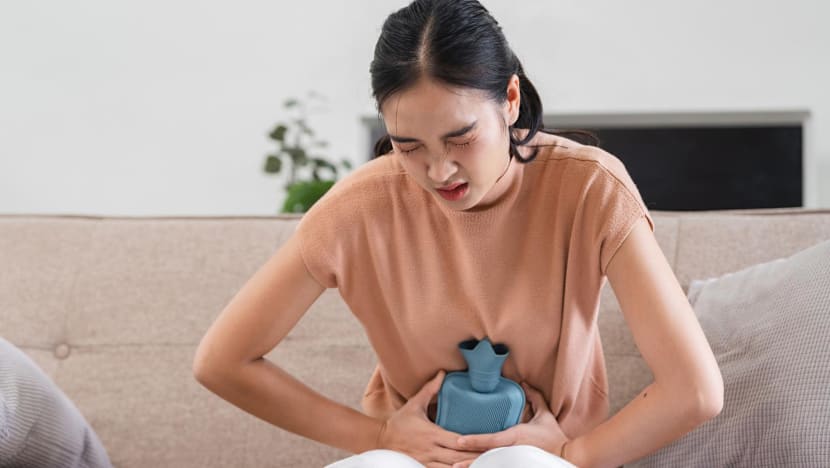
Menstruation can vary significantly among women, with some experiencing minimal discomfort while others endure severe pain and heavy bleeding. Understanding what constitutes a healthy menstrual cycle is crucial for recognizing potential health issues. Dr. Harvard Lin, a consultant obstetrician and gynaecologist at the Asian Obstetrics and Gynaecology Centre, explains that menstruation involves the monthly shedding of the uterine lining, driven by hormones such as oestrogen and progesterone. These hormones also trigger ovulation, and if fertilization does not occur, the uterine lining sheds, resulting in a period.
A healthy menstrual cycle typically follows a regular pattern, lasts up to a week, and does not cause excessive pain or bleeding. Dr. Selina Chin, an associate consultant at the Department of Obstetrics and Gynaecology at KK Women’s and Children’s Hospital, emphasizes that menstrual cycles can indicate overall health.
Understanding Menstrual Cycle Length
The menstrual cycle is measured from the first day of bleeding to the first day of the next period, a detail often miscalculated. According to medical professionals, a typical cycle lasts between 21 and 35 days. While cycles extending to 38 to 40 days might be normal for some women, they can also signal stress, hormonal imbalances, or conditions such as polycystic ovarian syndrome (PCOS). Dr. Chin notes that for women trying to conceive, irregular cycles could indicate ovulation issues, impacting fertility.
Age can also influence menstrual patterns. Dr. Chin explains that long cycles are common shortly after menstruation begins. As women age, cycles generally become shorter and more regular. During the perimenopause phase, cycles may become irregular, often accompanied by troublesome symptoms.
When to Seek Medical Attention
Dr. Lin advises that while some variations in cycle length and flow are common, noticeable irregularities should prompt a visit to a healthcare provider. Women should be particularly vigilant if their periods occur more frequently than every 21 days or less often than every 35 days. Infrequent periods may have serious implications, including challenges in conceiving and increased risks of conditions like endometrial hyperplasia or metabolic health issues, such as high blood pressure or diabetes.
Research has linked irregular menstrual cycles to a higher risk of certain reproductive cancers later in life. For instance, irregular periods, defined as having fewer than four cycles per year, are risk factors for uterine cancer, as highlighted by the National Cancer Centre Singapore.
A typical menstrual flow lasts between three and seven days, with the heaviest flow usually occurring in the first two days. Most women lose 30 to 40 ml of blood during their periods, approximately two to three tablespoons. Heavy menstrual bleeding is defined as losing more than 80 ml of blood per cycle. Symptoms of heavy bleeding include soaking through more than four pads daily, passing large blood clots, or needing to change protection overnight.
Dr. Chin cautions that persistent heavy bleeding lasting longer than seven days should be evaluated by a doctor to rule out hormonal imbalances or structural issues within the reproductive organs. Changes in blood color and texture can also signal health concerns. Women should consult their healthcare provider if they notice significant changes, such as the sudden appearance of clots or larger than normal clots.
Severe menstrual cramps, or dysmenorrhoea, can also warrant medical attention. Dr. Lin explains that while mild to moderate cramps are common due to the release of prostaglandins, pain that disrupts daily life is not normal. There are two types of dysmenorrhoea: primary, which begins in adolescence, and secondary, often linked to underlying medical conditions. Severe pain that extends beyond the usual duration of cramps may indicate issues such as endometriosis or fibroids.
Finding Relief and Seeking Help
Relief for menstrual discomfort is often achievable through various methods. Dr. Lin suggests using a heating pad on the lower abdomen to relax muscles and alleviate cramps. Regular exercise and adequate rest can also help manage pain. Over-the-counter pain relief medications are effective for many women and are recommended for use during the most intense days of menstruation.
For women not planning a pregnancy, hormonal birth control may provide relief from menstrual pain, often leading to lighter periods or even eliminating them altogether. If symptoms persist or worsen, seeking medical help is essential for identifying and treating underlying issues.
Dr. Chin notes that the outlook for women with menstrual disorders is generally positive with appropriate treatment and regular follow-up. While some conditions may require ongoing management, many women find significant improvement in their symptoms with the right care.
As menstrual health remains a vital aspect of women’s overall well-being, awareness and understanding of what constitutes a normal cycle can empower women to seek help when necessary. If you have concerns about your menstrual cycle, consulting a healthcare professional can provide clarity and support.

India Unveils Long-Range Hypersonic Missile Amid Regional Tensions

SK bioscience Launches Global Trial for Universal Sarbecovirus Vaccine

Senegal Coach Pape Thiaw Suspended and Fined After Final Disruption

PAS Denies Abolishing Chairman Post, Contradicts Muhyiddin’s Claim

Mbappé Critiques Real Madrid’s Effort After Benfica Defeat

Thailand’s December Factory Output Surges 2.52% Year-on-Year

Ishita Dutta Reveals Her Parenting Secret: Strong Coffee

Older GPs Express Concerns Over New Digital Health Record Mandate

Urban Jurgensen: A 252-Year Legacy Enters a New Era

Regina Martinez Breaks New Ground for Mexico in Cross-Country Skiing

South Korea’s Foreign Minister Cho Hyun to Visit China This Week

Starling Bank Plans Secondary Share Sale, Targeting $5.4 Billion Valuation

Munsang College Celebrates 100 Years with Grand Ceremony

PAS Aims to Expand Parliamentary Influence in Upcoming Election

De Minaur Triumphs at Washington Open After Thrilling Comeback

Kenvue Dismisses CEO Thibaut Mongon as Strategic Review Advances

Humanism Camp Engages 250 Youths in Summer Fest 2025

Colombian Senator Miguel Uribe Shows Signs of Recovery After Attack
-
 Sports2 months ago
Regina Martinez Breaks New Ground for Mexico in Cross-Country Skiing
-
 World6 months ago
South Korea’s Foreign Minister Cho Hyun to Visit China This Week
-
 Business6 months ago
Starling Bank Plans Secondary Share Sale, Targeting $5.4 Billion Valuation
-
 Top Stories6 months ago
Munsang College Celebrates 100 Years with Grand Ceremony
-
 World6 months ago
PAS Aims to Expand Parliamentary Influence in Upcoming Election
-
 Sports8 months ago
De Minaur Triumphs at Washington Open After Thrilling Comeback
-
 Business8 months ago
Kenvue Dismisses CEO Thibaut Mongon as Strategic Review Advances
-
 Lifestyle8 months ago
Humanism Camp Engages 250 Youths in Summer Fest 2025
-
 Top Stories8 months ago
Colombian Senator Miguel Uribe Shows Signs of Recovery After Attack
-

 Sports8 months ago
Tupou and Daugunu Join First Nations Squad for Lions Clash
-

 World8 months ago
ASEAN Gears Up for Historic Joint Meeting of Foreign and Economic Ministers
-

 Health8 months ago
New Study Challenges Assumptions About Aging and Inflammation