
Top Stories
Beijing Approves Nvidia H200 Imports Amid Semiconductor Concerns

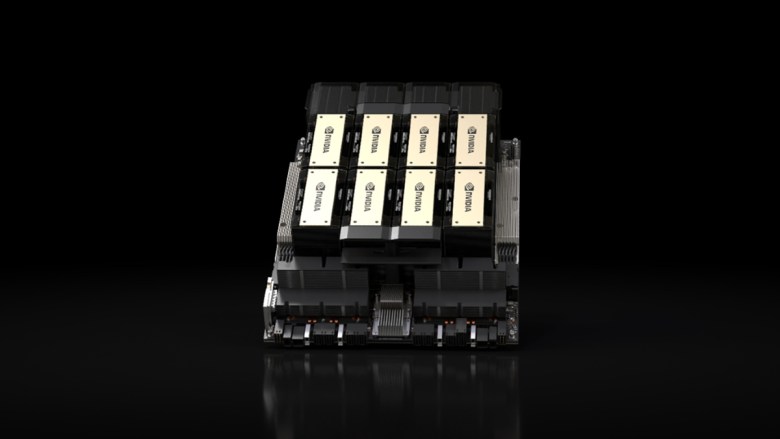
Beijing is preparing to approve the import of Nvidia’s H200 artificial intelligence (AI) chips for Chinese technology companies. This move comes alongside warnings from industry leaders about the dangers of becoming overly dependent on foreign semiconductor supplies. Reports indicate that both Alibaba Group Holding and ByteDance have expressed interest in ordering over 200,000 units of these chips, with Nvidia currently holding approximately 700,000 H200 units in inventory. Once approval is granted, this demand could be quickly satisfied.
Nvidia has communicated to its Chinese clients that it aims to start shipping H200 chips before the Lunar New Year holiday in February, with an initial delivery of between 5,000 to 10,000 modules, translating to about 40,000 to 80,000 AI chips. The Year of the Horse in the Chinese zodiac begins on February 17, 2024. In an interview with the Global Times, Wei Shaojun, vice president of the China Semiconductor Industry Association (CSIA) and a professor at Tsinghua University, emphasized the importance of high-end computing resources in advancing AI technologies. He stated, “From the perspective of industry development, the rational flow of high-end computing resources helps promote the application and exploration of cutting-edge technologies such as AI.”
Wei’s comments reflect the broader sentiment in China regarding the need for a balanced approach to foreign technology, especially in light of fluctuating US policies on semiconductor exports. He noted that the US has oscillated between tightening regulations and easing restrictions, prompting questions about the intentions behind recent policy shifts. Wei cautioned that China’s semiconductor industry must remain vigilant against potential superficial gestures from the US, emphasizing the need for China to pursue self-sufficiency in advanced semiconductor technologies.
Although Beijing has not officially confirmed the approval of H200 imports, speculation surrounding the matter intensified after US President Donald Trump announced on December 8 that Nvidia would be allowed to supply the chips to approved Chinese customers. Nvidia’s chief executive, Jensen Huang, noted demand from Chinese customers for the H200 appears robust, and he has projected that the AI chip market in China could generate approximately US$50 billion annually for Nvidia in the coming years.
Considerations for Future Strategy
In November, the US Department of Commerce reportedly contemplated permitting the export of Nvidia’s H200 chips to China. Some commentators in China warned that this could provide temporary relief while potentially hindering the long-term growth of its domestic AI chip industry. Following a phone call between President Trump and Chinese President Xi Jinping on November 24, Beijing indicated a more positive stance toward H200 imports. Foreign ministry spokesperson Guo Jiakun stated on December 9 that China supports mutual benefits through cooperation with the US.
Some analysts have proposed a “two-track” strategy for Chinese firms, where they utilize H200 chips for advanced tasks such as AI model training while relying on domestic chips for AI inference. According to reports, Chinese technology companies have placed orders for more than 2 million H200 chips, with deliveries expected in 2026, significantly surpassing Nvidia’s current inventory. The Taiwan Semiconductor Manufacturing Company (TSMC) is anticipated to ramp up production starting in the second quarter of 2026.
Wei Shaojun’s perspectives highlight the necessity for China to advance its capabilities in AI chip production. He believes that while foreign chips can be beneficial, they should adhere to China’s regulatory framework. He warns that continued reliance on foreign technology could leave China vulnerable to future export controls. Wei has also pointed out that around 90% of AI applications do not require the most advanced chips, suggesting that alternatives using 28nm processes can suffice while reducing power consumption by about 30% and costs by approximately 40%.
Recent reports indicate that Beijing has requested some Chinese technology firms to pause new orders for H200 chips and may require purchases of domestically produced AI chips. Additionally, Nvidia has begun requiring full upfront payment from Chinese customers for H200 chips, a shift from its previous practice of accepting deposits. This adjustment likely reflects Nvidia’s strategy to mitigate risks associated with uncertainties surrounding Beijing’s approval of shipments.
As the global AI competition evolves, some analysts argue for a shift in focus from cutting-edge process nodes to system-level engineering that utilizes mature chips effectively. Geng Biao, a columnist based in Liaoning, commented on the escalating costs of advanced chip production, stating that a single 3nm chip production line can require investments exceeding 200 billion yuan (US$28.7 billion). He emphasized that only a few global corporations, like Samsung and TSMC, can sustain such investments.
With the landscape of AI technology continuously shifting, the balance between foreign imports and domestic production will be crucial in shaping the future of China’s semiconductor industry and its position in the global market.

India Unveils Long-Range Hypersonic Missile Amid Regional Tensions

SK bioscience Launches Global Trial for Universal Sarbecovirus Vaccine

Senegal Coach Pape Thiaw Suspended and Fined After Final Disruption

PAS Denies Abolishing Chairman Post, Contradicts Muhyiddin’s Claim

Mbappé Critiques Real Madrid’s Effort After Benfica Defeat

Thailand’s December Factory Output Surges 2.52% Year-on-Year

Ishita Dutta Reveals Her Parenting Secret: Strong Coffee

Older GPs Express Concerns Over New Digital Health Record Mandate

Urban Jurgensen: A 252-Year Legacy Enters a New Era

Regina Martinez Breaks New Ground for Mexico in Cross-Country Skiing

South Korea’s Foreign Minister Cho Hyun to Visit China This Week

Starling Bank Plans Secondary Share Sale, Targeting $5.4 Billion Valuation

Munsang College Celebrates 100 Years with Grand Ceremony

PAS Aims to Expand Parliamentary Influence in Upcoming Election

De Minaur Triumphs at Washington Open After Thrilling Comeback

Kenvue Dismisses CEO Thibaut Mongon as Strategic Review Advances

Humanism Camp Engages 250 Youths in Summer Fest 2025

Colombian Senator Miguel Uribe Shows Signs of Recovery After Attack
-
 Sports1 month ago
Regina Martinez Breaks New Ground for Mexico in Cross-Country Skiing
-
 World6 months ago
South Korea’s Foreign Minister Cho Hyun to Visit China This Week
-
 Business6 months ago
Starling Bank Plans Secondary Share Sale, Targeting $5.4 Billion Valuation
-
 Top Stories6 months ago
Munsang College Celebrates 100 Years with Grand Ceremony
-
 World6 months ago
PAS Aims to Expand Parliamentary Influence in Upcoming Election
-
 Sports7 months ago
De Minaur Triumphs at Washington Open After Thrilling Comeback
-
 Business8 months ago
Kenvue Dismisses CEO Thibaut Mongon as Strategic Review Advances
-
 Lifestyle7 months ago
Humanism Camp Engages 250 Youths in Summer Fest 2025
-
 Top Stories8 months ago
Colombian Senator Miguel Uribe Shows Signs of Recovery After Attack
-

 Sports8 months ago
Tupou and Daugunu Join First Nations Squad for Lions Clash
-
 World8 months ago
ASEAN Gears Up for Historic Joint Meeting of Foreign and Economic Ministers
-

 Health7 months ago
New Study Challenges Assumptions About Aging and Inflammation