
Science
Taiwan’s Nuclear Safety Commission Launches Modular Reactor Initiative

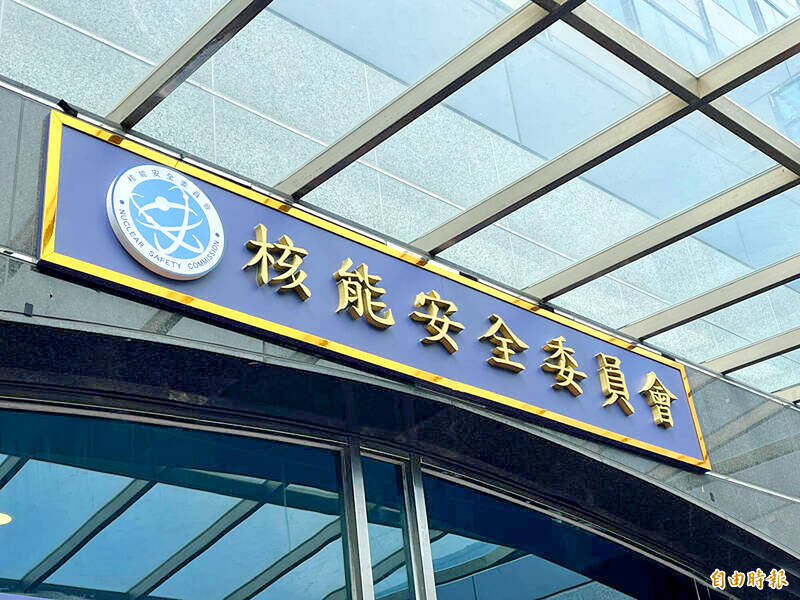
The Nuclear Safety Commission (NSC) of Taiwan is set to embark on a significant four-year initiative to develop small modular reactors (SMRs) and micro modular reactor technologies. An official familiar with the plan disclosed that this project is projected to cost NT$800 million (US$26.45 million). Prior to this larger initiative, the commission will allocate NT$100 million next year to fund initial research on SMRs and to establish the capacity to review applications for the construction of these reactors.
This announcement comes in the wake of a recent referendum concerning the reactivation of the Ma-anshan Nuclear Power Plant located in Pingtung County, which ultimately failed to meet the required voting threshold. Despite this, the referendum revealed that support for the proposal was significant, with over 60 percent of voters in Hengchun Township backing it. Following the referendum, President William Lai ordered Taiwan Power Co to conduct safety inspections at the plant, emphasizing that the government remains open to exploring next-generation nuclear energy technologies.
Focus on Low-Carbon Energy Solutions
The NSC’s project, to be executed by the National Atomic Research Institute, will prioritize research into low-carbon and high energy density SMRs. Key objectives include establishing domestic capabilities for SMR construction, creating a legal framework for new-generation nuclear energy policy, and forming a national team dedicated to developing these technologies. The initiative aims to reduce the construction timeline for SMRs significantly.
In light of a declining demand for nuclear energy specialists—largely due to Taiwan’s “nuclear-free homeland” policy—the institute plans to send researchers abroad. They will engage in short-term research or internships at national nuclear energy laboratories in Europe, North America, and Japan, as well as pursue nuclear engineering courses at prestigious universities.
International Collaboration and Regulatory Standards
The NSC is also considering the involvement of the private sector and academic institutions in the development of new-generation nuclear reactors. Although countries like the United States, United Kingdom, and Japan have invested in similar studies, none have yet achieved commercial operational capabilities. Regulatory standards for these new reactor types in the US are still in development, prompting the NSC to closely monitor international regulatory frameworks.
The initiative marks a pivotal step for Taiwan as it navigates its energy policy and explores modern nuclear technologies, aiming to balance energy needs with safety and environmental considerations.

India Unveils Long-Range Hypersonic Missile Amid Regional Tensions

SK bioscience Launches Global Trial for Universal Sarbecovirus Vaccine

Senegal Coach Pape Thiaw Suspended and Fined After Final Disruption

PAS Denies Abolishing Chairman Post, Contradicts Muhyiddin’s Claim

Mbappé Critiques Real Madrid’s Effort After Benfica Defeat

Thailand’s December Factory Output Surges 2.52% Year-on-Year

Ishita Dutta Reveals Her Parenting Secret: Strong Coffee

Older GPs Express Concerns Over New Digital Health Record Mandate

Urban Jurgensen: A 252-Year Legacy Enters a New Era

Regina Martinez Breaks New Ground for Mexico in Cross-Country Skiing

South Korea’s Foreign Minister Cho Hyun to Visit China This Week

Starling Bank Plans Secondary Share Sale, Targeting $5.4 Billion Valuation

Munsang College Celebrates 100 Years with Grand Ceremony

PAS Aims to Expand Parliamentary Influence in Upcoming Election

De Minaur Triumphs at Washington Open After Thrilling Comeback

Kenvue Dismisses CEO Thibaut Mongon as Strategic Review Advances

Humanism Camp Engages 250 Youths in Summer Fest 2025

Colombian Senator Miguel Uribe Shows Signs of Recovery After Attack
-
 Sports2 months ago
Regina Martinez Breaks New Ground for Mexico in Cross-Country Skiing
-
 World6 months ago
South Korea’s Foreign Minister Cho Hyun to Visit China This Week
-
 Business7 months ago
Starling Bank Plans Secondary Share Sale, Targeting $5.4 Billion Valuation
-
 Top Stories7 months ago
Munsang College Celebrates 100 Years with Grand Ceremony
-
 World6 months ago
PAS Aims to Expand Parliamentary Influence in Upcoming Election
-
 Sports8 months ago
De Minaur Triumphs at Washington Open After Thrilling Comeback
-
 Business8 months ago
Kenvue Dismisses CEO Thibaut Mongon as Strategic Review Advances
-
 Lifestyle8 months ago
Humanism Camp Engages 250 Youths in Summer Fest 2025
-
 Top Stories8 months ago
Colombian Senator Miguel Uribe Shows Signs of Recovery After Attack
-

 Sports8 months ago
Tupou and Daugunu Join First Nations Squad for Lions Clash
-
 World8 months ago
ASEAN Gears Up for Historic Joint Meeting of Foreign and Economic Ministers
-

 Health8 months ago
New Study Challenges Assumptions About Aging and Inflammation