
Science
Singapore Seeks Clarity on Nuclear Energy Plans of Neighbors

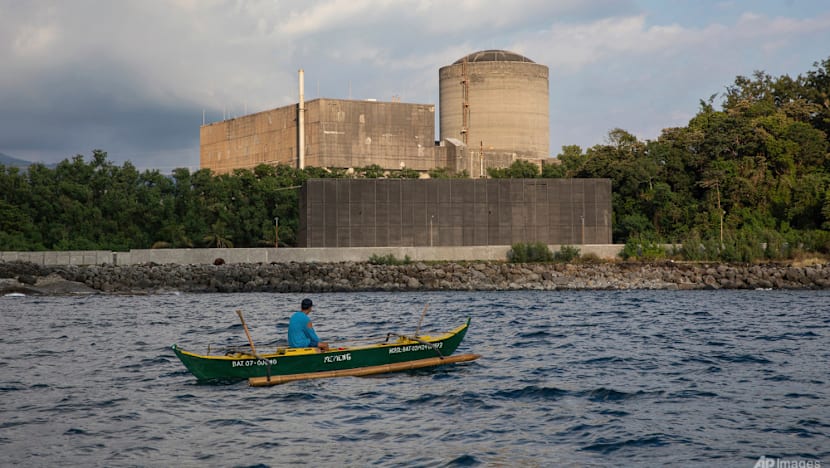
Singapore’s Minister-in-charge of Energy and Science & Technology, Tan See Leng, announced on November 6 that the country cannot currently verify the progress of its neighboring nations regarding nuclear energy initiatives. During a parliamentary session, he emphasized that Singapore is collaborating with international organizations, including the International Atomic Energy Agency (IAEA), to gather and assess available data.
Challenges in Assessing Regional Nuclear Developments
Responding to a question from the Leader of the Opposition, Pritam Singh, Tan highlighted the difficulty in commenting on the specifics of nuclear plans in nearby countries due to a lack of accessible information. Singh had inquired about the advancements in nuclear energy technologies within the region and whether these countries were exploring either conventional or advanced nuclear technologies.
Tan pointed out that while there have been informal announcements regarding potential nuclear sites located 500 kilometers from Singapore, the specifics remain murky. He mentioned ongoing discussions about the suitability of locations for small modular reactors, particularly in remote areas such as Kalimantan and eastern Indonesia. He further remarked, “A lot of that information is just not out there,” indicating the challenges of obtaining reliable data.
Although neighboring countries have expressed interest in developing nuclear technologies within the next 10 to 20 years, they have not clarified the types of technologies they would pursue. Tan noted that if countries opt for advanced nuclear technologies, such as small modular reactors or Generation IV reactors, Singapore’s readiness level is likely comparable to theirs.
Regional Nuclear Aspirations and Current Infrastructure
Recent media reports have shed light on various nuclear energy ambitions in Southeast Asia. For instance, Malaysia plans to integrate nuclear power into its energy generation by 2031, while Indonesia aims to launch its first nuclear power plant by 2034. The Philippines has also revealed a target for nuclear power generation by 2032, with its existing Bataan nuclear power plant, built in the 1980s, remaining non-operational. Additionally, Vietnam is working towards commissioning its first nuclear facilities between 2030 and 2035.
Tan acknowledged that many countries in the region have already established research reactors, which are distinct from power-generating reactors. He mentioned that Indonesia has three research reactor sites located in Serpong, Bandung, and Yogyakarta. Malaysia operates the Triga Puspati Reactor in Selangor, while Vietnam‘s Da Lat reactor, built in the 1960s, is also operational, with plans for a new research reactor under development. The reactors primarily serve research purposes and are not intended for grid electricity generation.
As for Singapore, the nation has yet to make a definitive decision regarding nuclear energy adoption. Tan reiterated that the country is exploring its potential as a low-carbon energy source. The Energy Market Authority (EMA) is currently evaluating the feasibility of implementing advanced nuclear technologies, while the National Environment Agency is tasked with assessing nuclear safety and regulations for possible deployment in Singapore and the region.
Recently, the EMA appointed the British firm Mott MacDonald to conduct a comprehensive study on advanced nuclear technologies, including water-cooled small modular reactors and Generation IV designs, which utilize innovative cooling systems or fuels.
As Singapore continues to investigate the viability of nuclear energy, the country remains focused on ensuring safety and sustainability in its energy landscape while monitoring regional developments closely.

India Unveils Long-Range Hypersonic Missile Amid Regional Tensions

SK bioscience Launches Global Trial for Universal Sarbecovirus Vaccine

Senegal Coach Pape Thiaw Suspended and Fined After Final Disruption

PAS Denies Abolishing Chairman Post, Contradicts Muhyiddin’s Claim

Mbappé Critiques Real Madrid’s Effort After Benfica Defeat

Thailand’s December Factory Output Surges 2.52% Year-on-Year

Ishita Dutta Reveals Her Parenting Secret: Strong Coffee

Older GPs Express Concerns Over New Digital Health Record Mandate

Urban Jurgensen: A 252-Year Legacy Enters a New Era

South Korea’s Foreign Minister Cho Hyun to Visit China This Week

Starling Bank Plans Secondary Share Sale, Targeting $5.4 Billion Valuation

Munsang College Celebrates 100 Years with Grand Ceremony

PAS Aims to Expand Parliamentary Influence in Upcoming Election

Kenvue Dismisses CEO Thibaut Mongon as Strategic Review Advances

Humanism Camp Engages 250 Youths in Summer Fest 2025

De Minaur Triumphs at Washington Open After Thrilling Comeback

Tupou and Daugunu Join First Nations Squad for Lions Clash

Colombian Senator Miguel Uribe Shows Signs of Recovery After Attack
-
 World5 months ago
South Korea’s Foreign Minister Cho Hyun to Visit China This Week
-
 Business5 months ago
Starling Bank Plans Secondary Share Sale, Targeting $5.4 Billion Valuation
-
 Top Stories5 months ago
Munsang College Celebrates 100 Years with Grand Ceremony
-
 World5 months ago
PAS Aims to Expand Parliamentary Influence in Upcoming Election
-
 Business7 months ago
Kenvue Dismisses CEO Thibaut Mongon as Strategic Review Advances
-
 Lifestyle6 months ago
Humanism Camp Engages 250 Youths in Summer Fest 2025
-
 Sports6 months ago
De Minaur Triumphs at Washington Open After Thrilling Comeback
-
 Sports7 months ago
Tupou and Daugunu Join First Nations Squad for Lions Clash
-
 Top Stories7 months ago
Colombian Senator Miguel Uribe Shows Signs of Recovery After Attack
-
 World7 months ago
ASEAN Gears Up for Historic Joint Meeting of Foreign and Economic Ministers
-

 Health6 months ago
New Study Challenges Assumptions About Aging and Inflammation
-

 Business7 months ago
Oil Prices Surge Following New EU Sanctions on Russia