
Politics
Taiwan Unveils $40 Billion Defence Boost Amid Growing Threats

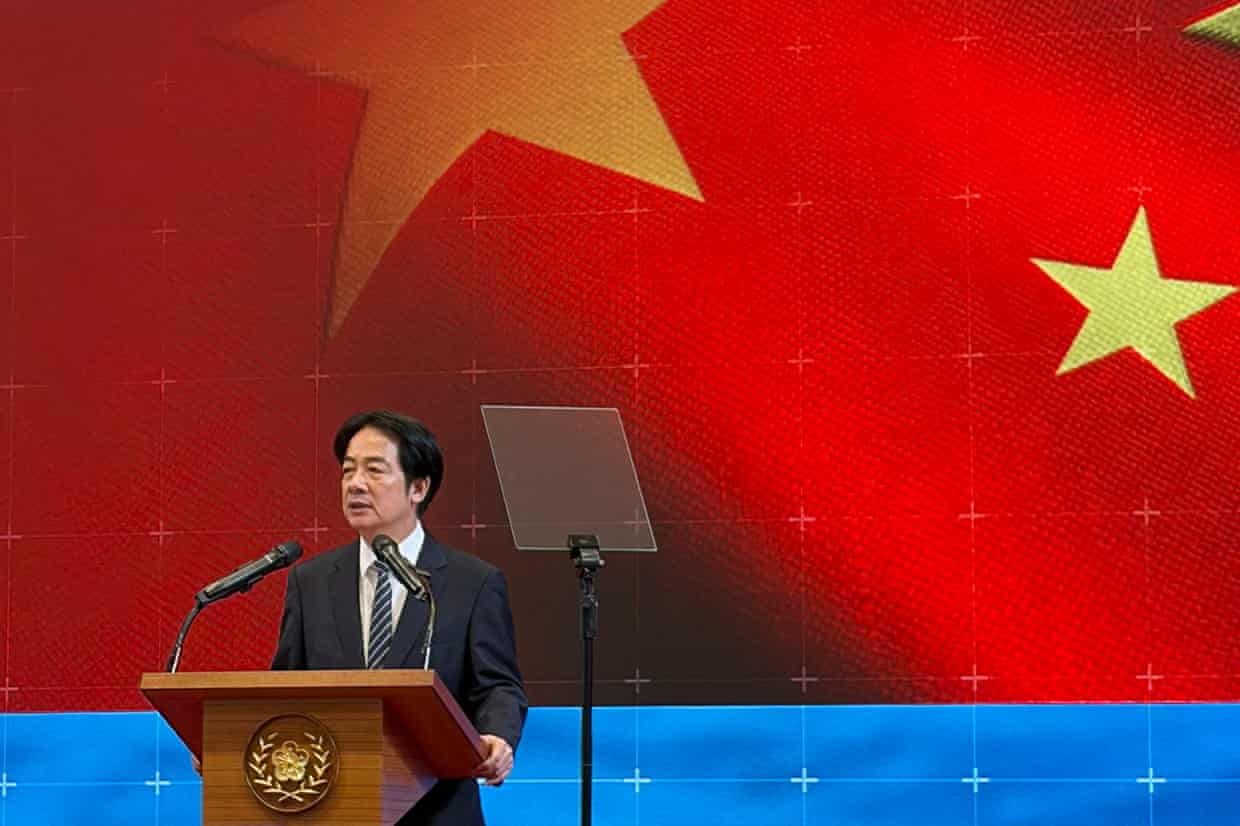
Taiwan’s government has announced a significant increase in its defence budget, allocating an additional $40 billion in response to escalating threats from China. President Lai Ching-te emphasized the need for heightened security measures during a press briefing on March 15, 2024, stating that the situation has become increasingly urgent. This funding will enhance Taiwan’s military capabilities, which Lai describes as a necessity to safeguard “democratic Taiwan” against potential Chinese aggression.
During the announcement, Lai asserted that there is “no room for compromise on national security.” He indicated that Taiwan’s strategy is not merely an ideological battle but a vital effort to maintain sovereignty. Lai’s remarks reflect a growing concern regarding China’s military activities and its ongoing pressure tactics, which include espionage and international isolation efforts. He stated, “History has proven that compromising with aggression only brings war and enslavement.”
In conjunction with Lai, Defence Minister Wellington Koo outlined the specifics of the budget increase, which will extend from 2026 to 2033. This budget will not only fund advanced military technology, including artificial intelligence tools and new missile systems, but also improve Taiwan’s procurement processes, which had previously faced delays in significant orders from the United States. Koo noted that these enhancements aim to bolster Taiwan’s resilience against external pressures.
As a result of this budget increase, Taiwan’s defence spending is projected to reach 3.3% of GDP by 2026, with a goal of escalating to 5% by 2030. Raymond Greene, representative at the American Institute in Taiwan, commented that this move represents “a major step towards maintaining peace and stability across the Taiwan Strait by strengthening deterrence.”
China’s response to Taiwan’s increased military spending has been critical. A spokesperson for China’s Taiwan Affairs Office, Peng Qingen, stated that Taiwan is misallocating resources to “currying favour with external powers,” suggesting that such actions would lead to catastrophe. The tensions have been further inflamed by a recent phone call between Donald Trump and Xi Jinping, where Xi reiterated China’s claim over Taiwan, asserting that its return is integral to the post-war international order.
The backdrop to these developments includes a diplomatic spat between China and Japan, particularly after Japanese Prime Minister Sanae Takaichi indicated military support for Taiwan in the event of an attack by China. In response, China initiated economic retaliations against Japan and criticized Tokyo’s plans to install a missile system on Yonaguni Island, which is located just 110 km from Taiwan’s coast. Japan’s Defence Minister Shinjiro Koizumi affirmed that preparations for the missile deployment are “progressing steadily.”
China’s government denounced Japan’s military actions as provocations that could escalate regional tensions. Peng warned that the deployment of “offensive weapons” near Taiwan is exceedingly dangerous, asserting, “We will crush all foreign interference.”
As Taiwan accelerates its defence initiatives, the situation in the Taiwan Strait remains a focal point for international relations in the Asia-Pacific region, reflecting broader geopolitical dynamics and the ongoing struggle for sovereignty and security.

India Unveils Long-Range Hypersonic Missile Amid Regional Tensions

SK bioscience Launches Global Trial for Universal Sarbecovirus Vaccine

Senegal Coach Pape Thiaw Suspended and Fined After Final Disruption

PAS Denies Abolishing Chairman Post, Contradicts Muhyiddin’s Claim

Mbappé Critiques Real Madrid’s Effort After Benfica Defeat

Thailand’s December Factory Output Surges 2.52% Year-on-Year

Ishita Dutta Reveals Her Parenting Secret: Strong Coffee

Older GPs Express Concerns Over New Digital Health Record Mandate

Urban Jurgensen: A 252-Year Legacy Enters a New Era

Regina Martinez Breaks New Ground for Mexico in Cross-Country Skiing

South Korea’s Foreign Minister Cho Hyun to Visit China This Week

Starling Bank Plans Secondary Share Sale, Targeting $5.4 Billion Valuation

Munsang College Celebrates 100 Years with Grand Ceremony

PAS Aims to Expand Parliamentary Influence in Upcoming Election

De Minaur Triumphs at Washington Open After Thrilling Comeback

Kenvue Dismisses CEO Thibaut Mongon as Strategic Review Advances

Humanism Camp Engages 250 Youths in Summer Fest 2025

Colombian Senator Miguel Uribe Shows Signs of Recovery After Attack
-
 Sports2 months ago
Regina Martinez Breaks New Ground for Mexico in Cross-Country Skiing
-
 World6 months ago
South Korea’s Foreign Minister Cho Hyun to Visit China This Week
-
 Business6 months ago
Starling Bank Plans Secondary Share Sale, Targeting $5.4 Billion Valuation
-
 Top Stories6 months ago
Munsang College Celebrates 100 Years with Grand Ceremony
-
 World6 months ago
PAS Aims to Expand Parliamentary Influence in Upcoming Election
-
 Sports8 months ago
De Minaur Triumphs at Washington Open After Thrilling Comeback
-
 Business8 months ago
Kenvue Dismisses CEO Thibaut Mongon as Strategic Review Advances
-
 Lifestyle8 months ago
Humanism Camp Engages 250 Youths in Summer Fest 2025
-
 Top Stories8 months ago
Colombian Senator Miguel Uribe Shows Signs of Recovery After Attack
-

 Sports8 months ago
Tupou and Daugunu Join First Nations Squad for Lions Clash
-
 World8 months ago
ASEAN Gears Up for Historic Joint Meeting of Foreign and Economic Ministers
-

 Health8 months ago
New Study Challenges Assumptions About Aging and Inflammation