
Politics
Japan Delays Yen Intervention Amid U.S. Support, Ex-BOJ Official Says

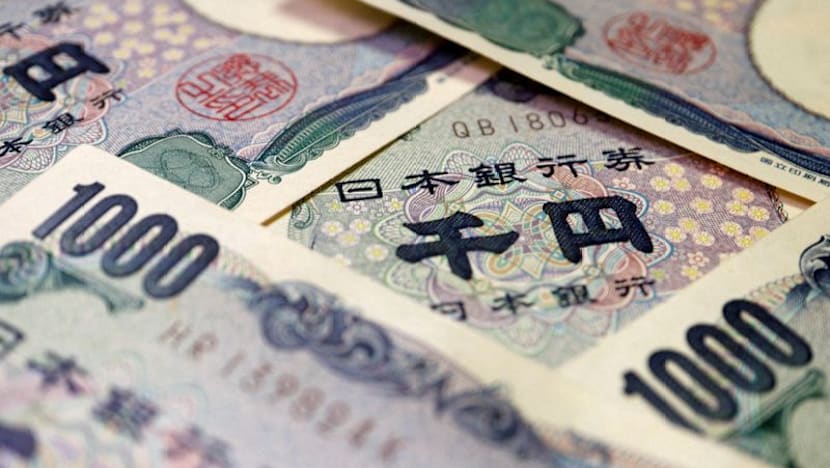
Japan is likely to refrain from immediate intervention in the foreign exchange market, according to former central bank official Atsushi Takeuchi. He noted that recent coordinated efforts with the United States have effectively halted the yen’s sharp decline, which has been a concern for Japanese authorities.
In an interview with Reuters on January 28, Takeuchi, who previously participated in Japan’s currency interventions, explained that the recent actions by the New York Federal Reserve demonstrated Washington’s commitment to working alongside Tokyo to stabilize the yen. The Fed’s suspected rate checks, a rare occurrence, signal a united front in addressing the currency’s volatility, he stated.
Takeuchi emphasized that the current objective of Japanese authorities is to prevent a one-sided slide in the yen rather than targeting specific currency levels. “What authorities wanted to stop was a one-sided, sharp slide in the yen,” he remarked, adding that the focus is now on monitoring yen movements closely.
The yen experienced a notable surge on January 23, climbing over 1 percent to reach a three-month high of 152.10 per dollar. This increase came amidst speculation of coordinated rate checks by the U.S. and Japan, which are often viewed as precursors to intervention. The currency had previously approached the psychologically significant 160 mark, a threshold that could trigger official action to support the yen.
Takeuchi remarked that the recent fluctuations in the yen’s value indicate success in Japan’s psychological strategy with the markets. “The biggest job of Japan’s top currency diplomat is to heighten and keep alive market fears of intervention,” he noted. “So far, Japan has succeeded in doing so.”
Historically, Japan has sought to prevent excessive appreciation of the yen, which can negatively impact its export-driven economy. However, since 2022, the emphasis has shifted towards mitigating excessive depreciation, which can lead to rising inflation and reduced consumer purchasing power.
As Japan’s finance authorities navigate this delicate balance, they may be cautious about intervening directly in the currency market. Takeuchi suggested that direct intervention could inadvertently accelerate the yen’s rise, potentially affecting stock prices—a consideration that could weigh heavily on Prime Minister Sanae Takaichi as she heads into an election next month.
With the U.S. and Japan collaborating on currency stabilization tactics, the focus remains on maintaining market stability while addressing the broader economic impacts of currency fluctuations. The evolving dynamics in the foreign exchange market are expected to continue influencing both domestic and international economic strategies in the coming months.

India Unveils Long-Range Hypersonic Missile Amid Regional Tensions

SK bioscience Launches Global Trial for Universal Sarbecovirus Vaccine

Senegal Coach Pape Thiaw Suspended and Fined After Final Disruption

PAS Denies Abolishing Chairman Post, Contradicts Muhyiddin’s Claim

Mbappé Critiques Real Madrid’s Effort After Benfica Defeat

Thailand’s December Factory Output Surges 2.52% Year-on-Year

Ishita Dutta Reveals Her Parenting Secret: Strong Coffee

Older GPs Express Concerns Over New Digital Health Record Mandate

Urban Jurgensen: A 252-Year Legacy Enters a New Era

South Korea’s Foreign Minister Cho Hyun to Visit China This Week

Starling Bank Plans Secondary Share Sale, Targeting $5.4 Billion Valuation

Munsang College Celebrates 100 Years with Grand Ceremony

PAS Aims to Expand Parliamentary Influence in Upcoming Election

Kenvue Dismisses CEO Thibaut Mongon as Strategic Review Advances

Humanism Camp Engages 250 Youths in Summer Fest 2025

De Minaur Triumphs at Washington Open After Thrilling Comeback

Tupou and Daugunu Join First Nations Squad for Lions Clash

Colombian Senator Miguel Uribe Shows Signs of Recovery After Attack
-
 World5 months ago
South Korea’s Foreign Minister Cho Hyun to Visit China This Week
-
 Business5 months ago
Starling Bank Plans Secondary Share Sale, Targeting $5.4 Billion Valuation
-
 Top Stories5 months ago
Munsang College Celebrates 100 Years with Grand Ceremony
-
 World5 months ago
PAS Aims to Expand Parliamentary Influence in Upcoming Election
-
 Business7 months ago
Kenvue Dismisses CEO Thibaut Mongon as Strategic Review Advances
-
 Lifestyle6 months ago
Humanism Camp Engages 250 Youths in Summer Fest 2025
-
 Sports6 months ago
De Minaur Triumphs at Washington Open After Thrilling Comeback
-
 Sports7 months ago
Tupou and Daugunu Join First Nations Squad for Lions Clash
-
 Top Stories7 months ago
Colombian Senator Miguel Uribe Shows Signs of Recovery After Attack
-

 World7 months ago
ASEAN Gears Up for Historic Joint Meeting of Foreign and Economic Ministers
-

 Health6 months ago
New Study Challenges Assumptions About Aging and Inflammation
-

 Business6 months ago
Oil Prices Surge Following New EU Sanctions on Russia