
Politics
Indonesia’s Palm Oil Dominance Faces Sustainability Challenges

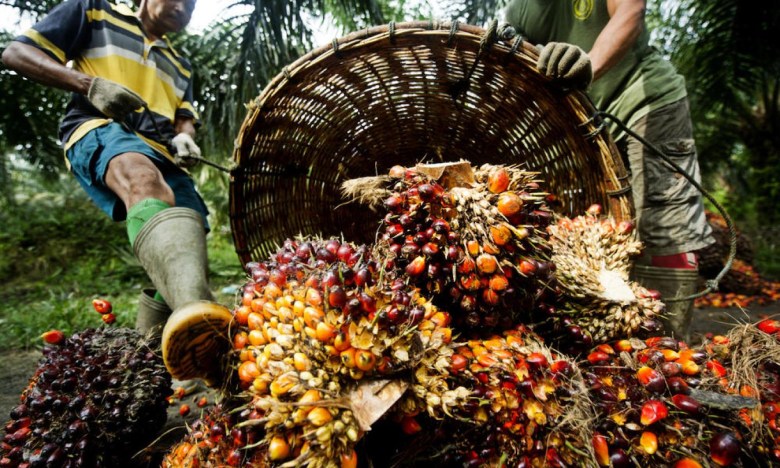
Indonesia’s status as a leading global producer of palm oil is increasingly challenged by environmental sustainability concerns. The nation manages an impressive oil-palm estate covering approximately 16 million hectares, generating over 55 million tonnes of palm oil products annually. This output positions Indonesia not just as a significant player but as the global price setter in the palm oil market. However, this dominance is threatened by ecological degradation that jeopardizes the industry’s sustainability and long-term economic viability.
The palm oil sector underpins millions of livelihoods, impacting smallholders and industrial estates alike. Indonesia’s palm oil exports have become a vital part of its economy, contributing to tens of billions of dollars in export earnings. The country’s success has relied on its natural advantages, including climate suitability and abundant land. Yet, the environmental costs associated with this growth are rising, and they pose serious challenges to the sustainability of its palm oil industry.
Environmental Impact and Economic Consequences
Recent catastrophic events, such as major floods and landslides across several provinces in Sumatra, including West Sumatra and Riau, highlight the environmental vulnerabilities of Indonesia’s palm oil production. These incidents stem from watershed disruptions caused by deforestation, sediment clogging river basins, and drained peatlands. As rainfall patterns become more extreme, the consequences of environmental degradation turn manageable weather events into catastrophic disasters.
The paradox lies in the fact that while the industry generates significant economic benefits, including millions of jobs and increased incomes for rural households, the environmental liabilities threaten to erode those gains. Floods can destroy infrastructure and plantations, while haze episodes strain diplomatic relations, undermining the industry’s overall resilience. This scenario underscores the need for sustainability to transition from a moral imperative to a strategic necessity.
Indonesia’s national certification scheme, the Indonesian Sustainable Palm Oil (ISPO), aims to promote responsible production practices. However, only an estimated one-third of the national estate currently holds ISPO certification, with significant gaps among smallholders who often lack necessary resources and support. This incomplete coverage limits Indonesia’s ability to defend its palm oil in international markets increasingly governed by sustainability regulations and consumer expectations.
Toward a Sustainable Future
To maintain its comparative advantage, Indonesia must transform ISPO from an aspirational standard into a comprehensive and mandatory certification system. This evolution should include improved transparency through accessible concession maps and robust traceability systems. Additionally, the country needs to significantly enhance support for smallholders, providing credit instruments and technical assistance to help them meet sustainability standards without being excluded from the value chain.
Beyond certification, Indonesia must focus on industrialization by moving from exporting bulk crude palm oil to higher-value refined products, oleochemicals, and bio-based materials. This shift could capture a larger share of the global market, decrease reliance on commodity cycles, and bolster Indonesia’s bargaining power in trade negotiations.
The international implications of a sustainably produced palm oil sector are profound. It could serve as a geopolitical tool, similar to how oil-rich nations leverage their resources. However, this influence hinges on Indonesia’s ability to maintain reliability and environmental stability.
The catastrophic floods and landslides serve as stark reminders of the stakes involved. If Indonesia prioritizes sustainability, rehabilitates degraded landscapes, and universalizes ISPO, it can ensure that palm oil continues to be a significant driver of national progress. Conversely, failing to commit to sustainable practices could undermine its global standing and economic stability.
As Indonesia accounts for nearly 60% of the global palm oil supply, the urgency for reform is clear. Global markets are shifting toward conditional access based on environmental legitimacy and transparency. Sustainability should not be perceived merely as compliance; it must be viewed as a strategic investment in long-term economic stability.
In summary, Indonesia’s future as a palm oil superpower will depend not on the quantity produced but on the responsibility and strategy behind its production. The choices made today regarding governance and ecological integrity will dictate the industry’s trajectory and the nation’s broader economic ambitions.

India Unveils Long-Range Hypersonic Missile Amid Regional Tensions

SK bioscience Launches Global Trial for Universal Sarbecovirus Vaccine

Senegal Coach Pape Thiaw Suspended and Fined After Final Disruption

PAS Denies Abolishing Chairman Post, Contradicts Muhyiddin’s Claim

Mbappé Critiques Real Madrid’s Effort After Benfica Defeat

Thailand’s December Factory Output Surges 2.52% Year-on-Year

Ishita Dutta Reveals Her Parenting Secret: Strong Coffee

Older GPs Express Concerns Over New Digital Health Record Mandate

Urban Jurgensen: A 252-Year Legacy Enters a New Era

Regina Martinez Breaks New Ground for Mexico in Cross-Country Skiing

South Korea’s Foreign Minister Cho Hyun to Visit China This Week

Starling Bank Plans Secondary Share Sale, Targeting $5.4 Billion Valuation

Munsang College Celebrates 100 Years with Grand Ceremony

PAS Aims to Expand Parliamentary Influence in Upcoming Election

De Minaur Triumphs at Washington Open After Thrilling Comeback

Kenvue Dismisses CEO Thibaut Mongon as Strategic Review Advances

Humanism Camp Engages 250 Youths in Summer Fest 2025

Colombian Senator Miguel Uribe Shows Signs of Recovery After Attack
-
 Sports3 months ago
Regina Martinez Breaks New Ground for Mexico in Cross-Country Skiing
-
 World7 months ago
South Korea’s Foreign Minister Cho Hyun to Visit China This Week
-
 Business7 months ago
Starling Bank Plans Secondary Share Sale, Targeting $5.4 Billion Valuation
-
 Top Stories7 months ago
Munsang College Celebrates 100 Years with Grand Ceremony
-
 World7 months ago
PAS Aims to Expand Parliamentary Influence in Upcoming Election
-
 Sports8 months ago
De Minaur Triumphs at Washington Open After Thrilling Comeback
-
 Business9 months ago
Kenvue Dismisses CEO Thibaut Mongon as Strategic Review Advances
-
 Lifestyle8 months ago
Humanism Camp Engages 250 Youths in Summer Fest 2025
-
 Top Stories9 months ago
Colombian Senator Miguel Uribe Shows Signs of Recovery After Attack
-

 Sports9 months ago
Tupou and Daugunu Join First Nations Squad for Lions Clash
-

 World9 months ago
ASEAN Gears Up for Historic Joint Meeting of Foreign and Economic Ministers
-

 Health8 months ago
New Study Challenges Assumptions About Aging and Inflammation