
Politics
German Court Rules in Favor of GEMA Against OpenAI in Copyright Case

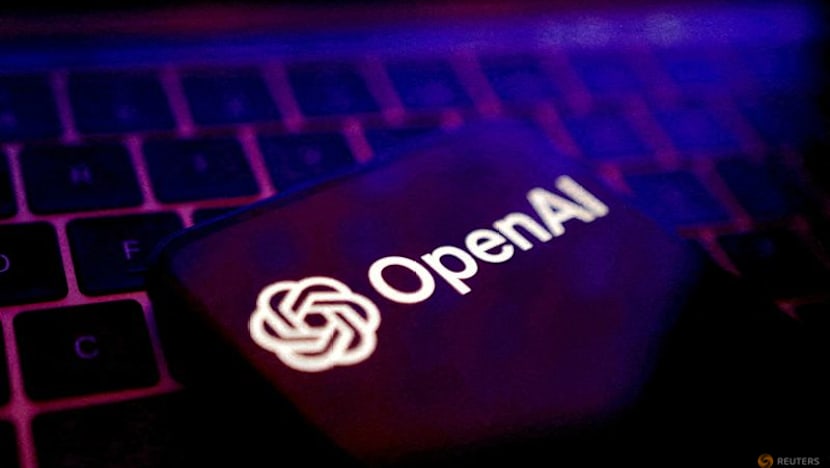
A German court has ruled in favor of the country’s music rights organization GEMA in a significant copyright case against the artificial intelligence company OpenAI. On October 3, 2023, the court determined that OpenAI’s chatbot, ChatGPT, violated copyright laws by reproducing lyrics from various German songs without the necessary permissions. GEMA represents around 100,000 members, including renowned artists such as Herbert Groenemeyer, and argues that the AI’s training involved unauthorized use of protected content from its repertoire.
The case has garnered considerable attention as it raises important questions about the intersection of artificial intelligence and copyright law. GEMA contended that ChatGPT’s ability to generate song lyrics directly infringes upon the rights of its members. According to the organization, the AI model was trained using data that includes copyrighted musical works, which has sparked a growing debate within the creative industries regarding the use of AI technologies.
The ruling marks a critical moment in the ongoing discourse surrounding AI and intellectual property rights. GEMA’s successful claim emphasizes the need for clear guidelines that protect artists’ rights while navigating the advancements in technology. The organization has expressed its commitment to safeguarding the interests of its members in an era where AI-generated content is becoming increasingly prevalent.
OpenAI, based in the United States, has not yet publically commented on the court’s decision. As AI technologies continue to develop, the outcomes of such legal battles will likely shape policies and practices surrounding copyright in the digital age. The implications of this ruling could extend beyond Germany, influencing similar cases in other countries concerned about the rights of creators in the face of evolving technology.
As discussions around copyright and AI evolve, stakeholders from various sectors are closely monitoring the implications of this ruling. The outcome serves as a reminder of the challenges that arise when traditional rights clash with innovative technological advancements. With the rapid growth of AI capabilities, it is likely that more legal challenges will emerge as industries seek to balance innovation with the protection of intellectual property.
This court ruling in Munich highlights the urgency for a comprehensive approach to copyright issues in the context of artificial intelligence. As GEMA and other organizations advocate for stronger protections, the conversation around AI and creative rights is expected to intensify, making it a focal point for legislators, artists, and technology companies alike.

India Unveils Long-Range Hypersonic Missile Amid Regional Tensions

SK bioscience Launches Global Trial for Universal Sarbecovirus Vaccine

Senegal Coach Pape Thiaw Suspended and Fined After Final Disruption

PAS Denies Abolishing Chairman Post, Contradicts Muhyiddin’s Claim

Mbappé Critiques Real Madrid’s Effort After Benfica Defeat

Thailand’s December Factory Output Surges 2.52% Year-on-Year

Ishita Dutta Reveals Her Parenting Secret: Strong Coffee

Older GPs Express Concerns Over New Digital Health Record Mandate

Urban Jurgensen: A 252-Year Legacy Enters a New Era

Regina Martinez Breaks New Ground for Mexico in Cross-Country Skiing

South Korea’s Foreign Minister Cho Hyun to Visit China This Week

Starling Bank Plans Secondary Share Sale, Targeting $5.4 Billion Valuation

Munsang College Celebrates 100 Years with Grand Ceremony

PAS Aims to Expand Parliamentary Influence in Upcoming Election

De Minaur Triumphs at Washington Open After Thrilling Comeback

Kenvue Dismisses CEO Thibaut Mongon as Strategic Review Advances

Humanism Camp Engages 250 Youths in Summer Fest 2025

Colombian Senator Miguel Uribe Shows Signs of Recovery After Attack
-
 Sports3 months ago
Regina Martinez Breaks New Ground for Mexico in Cross-Country Skiing
-
 World8 months ago
South Korea’s Foreign Minister Cho Hyun to Visit China This Week
-
 Business8 months ago
Starling Bank Plans Secondary Share Sale, Targeting $5.4 Billion Valuation
-
 Top Stories8 months ago
Munsang College Celebrates 100 Years with Grand Ceremony
-
 World8 months ago
PAS Aims to Expand Parliamentary Influence in Upcoming Election
-
 Sports9 months ago
De Minaur Triumphs at Washington Open After Thrilling Comeback
-
 Business10 months ago
Kenvue Dismisses CEO Thibaut Mongon as Strategic Review Advances
-
 Lifestyle9 months ago
Humanism Camp Engages 250 Youths in Summer Fest 2025
-
 Top Stories10 months ago
Colombian Senator Miguel Uribe Shows Signs of Recovery After Attack
-

 Sports10 months ago
Tupou and Daugunu Join First Nations Squad for Lions Clash
-
 World10 months ago
ASEAN Gears Up for Historic Joint Meeting of Foreign and Economic Ministers
-

 Health9 months ago
New Study Challenges Assumptions About Aging and Inflammation