
Politics
America’s Foreign Policy: The Cost of Strategic Missteps

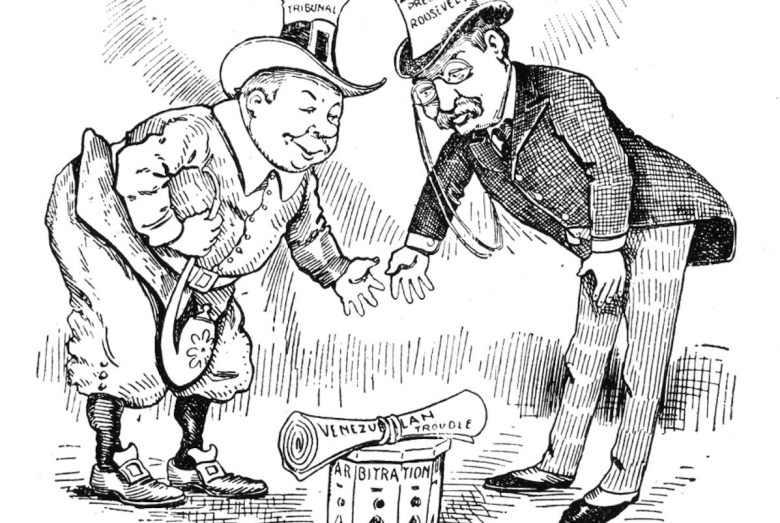
The dynamics of American foreign policy are under scrutiny as the United States grapples with its approach to international conflicts. Critics argue that the nation’s strategy is increasingly misaligned with the complexities of modern geopolitics. This misalignment raises questions about the sustainability of American power and the effectiveness of its interventions.
Historical Context of Decline
Great powers often decline not due to a lack of strength, but because of a fundamental misunderstanding of power itself. Historical examples abound: the fall of Rome was not a singular event but a gradual process of overstretch, while Britain’s decline stemmed from imperial commitments that exceeded its economic and political capabilities. Similarly, Japan’s overconfidence during its imperial expansion led to catastrophic outcomes, illustrating that a misjudgment of strength can result in significant decline.
The United States today remains a dominant force, equipped with a formidable military and advanced technology. Yet, this dominance is coupled with a troubling trend: American foreign policy often mirrors corporate strategies, focusing on speed, disruption, and short-term gains. This business-like approach to geopolitics overlooks the reality that nations cannot be treated as products in a market, where outcomes can be shifted and tested at will.
Patterns of Intervention
Over the years, the United States has demonstrated a consistent pattern in its military interventions. While the nation is quick to engage in conflicts, it frequently lacks a coherent exit strategy. The interventions in Iraq and Afghanistan serve as poignant examples. In Iraq, U.S. forces entered with overwhelming strength, expecting swift regime change to foster stability. Instead, the outcome was a protracted period of fragmentation and insurgency.
In Afghanistan, the U.S. maintained a long-term presence but struggled to define its objectives. Over two decades, the focus shifted from counterterrorism to state-building, culminating in a chaotic withdrawal that led to the collapse of the U.S.-backed government. The events in Libya also highlight this trend. Despite a tactically successful intervention, the subsequent failure to establish a stable state has led to ongoing instability in the region.
Venezuela presents another case where American strategies of economic pressure and sanctions have not yielded the desired political outcomes. While external pressure can weaken a regime, it often deepens civilian suffering and can harden resistance, ultimately diminishing America’s legitimacy as a global leader.
The recurring theme across these interventions is a reliance on rapid action without a clear understanding of the complexities involved. The notion that swift military action will lead to immediate political transformation has proven to be a fallacy.
The Need for Strategic Endurance
The 21st century presents new challenges that require a shift in strategy. History teaches that power is maximized not through constant intervention but through strategic restraint. The most successful states are those that can absorb pressure, remain functional under stress, and avoid irreversible commitments.
Power today is less about dominating and more about exercising influence wisely and patiently. The historical clash between Joseph Stalin’s Soviet Union and Adolf Hitler’s Germany during World War II illustrates this point. Stalin’s regime, despite initial setbacks, demonstrated resilience and strategic stamina, ultimately leading to victory. In contrast, Hitler’s aggressive expansionism lacked the necessary endurance, resulting in catastrophic failure.
As the United States navigates its place in the global order, it faces an uncomfortable reality: its foreign policy must evolve beyond mere military might. The perception of American power is at risk of eroding due to inconsistent actions that often prioritize short-term interests over long-term legitimacy.
In summary, the United States’ approach to foreign policy requires a fundamental reevaluation. Emphasizing strategic endurance over immediate action could enhance its global standing and restore credibility in an increasingly complex international landscape. The challenge lies in redefining what it means to be a leader in a world where strength is not just about military might, but also about the ability to foster stability and sustain influence over time.

India Unveils Long-Range Hypersonic Missile Amid Regional Tensions

SK bioscience Launches Global Trial for Universal Sarbecovirus Vaccine

Senegal Coach Pape Thiaw Suspended and Fined After Final Disruption

PAS Denies Abolishing Chairman Post, Contradicts Muhyiddin’s Claim

Mbappé Critiques Real Madrid’s Effort After Benfica Defeat

Thailand’s December Factory Output Surges 2.52% Year-on-Year

Ishita Dutta Reveals Her Parenting Secret: Strong Coffee

Older GPs Express Concerns Over New Digital Health Record Mandate

Urban Jurgensen: A 252-Year Legacy Enters a New Era

South Korea’s Foreign Minister Cho Hyun to Visit China This Week

Starling Bank Plans Secondary Share Sale, Targeting $5.4 Billion Valuation

Munsang College Celebrates 100 Years with Grand Ceremony

PAS Aims to Expand Parliamentary Influence in Upcoming Election

Kenvue Dismisses CEO Thibaut Mongon as Strategic Review Advances

Humanism Camp Engages 250 Youths in Summer Fest 2025

De Minaur Triumphs at Washington Open After Thrilling Comeback

Tupou and Daugunu Join First Nations Squad for Lions Clash

Colombian Senator Miguel Uribe Shows Signs of Recovery After Attack
-
 World5 months ago
South Korea’s Foreign Minister Cho Hyun to Visit China This Week
-
 Business5 months ago
Starling Bank Plans Secondary Share Sale, Targeting $5.4 Billion Valuation
-
 Top Stories5 months ago
Munsang College Celebrates 100 Years with Grand Ceremony
-
 World5 months ago
PAS Aims to Expand Parliamentary Influence in Upcoming Election
-
 Business7 months ago
Kenvue Dismisses CEO Thibaut Mongon as Strategic Review Advances
-
 Lifestyle6 months ago
Humanism Camp Engages 250 Youths in Summer Fest 2025
-
 Sports6 months ago
De Minaur Triumphs at Washington Open After Thrilling Comeback
-
 Sports7 months ago
Tupou and Daugunu Join First Nations Squad for Lions Clash
-
 Top Stories7 months ago
Colombian Senator Miguel Uribe Shows Signs of Recovery After Attack
-

 World7 months ago
ASEAN Gears Up for Historic Joint Meeting of Foreign and Economic Ministers
-

 Health6 months ago
New Study Challenges Assumptions About Aging and Inflammation
-

 Business7 months ago
Oil Prices Surge Following New EU Sanctions on Russia