
Lifestyle
Singapore’s NVPC CEO Advocates Compassion in ‘We First’ Movement

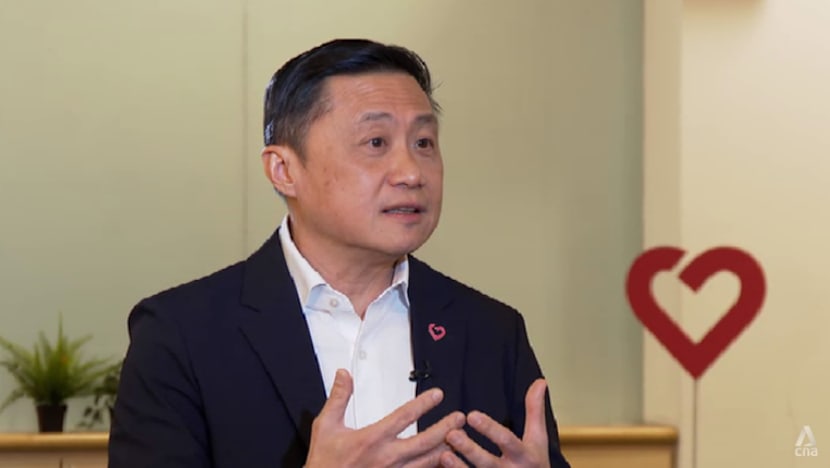
SINGAPORE: The National Volunteer and Philanthropy Centre’s (NVPC) chief executive officer, Tony Soh, emphasized the need for compassion as Singapore strives to foster a “we first” society. As the nation emerges from the challenges posed by the pandemic, there is an increasing call for individuals to prioritize community engagement over personal gain. This idea gained momentum during Prime Minister Lawrence Wong’s National Day Rally last year, where he highlighted collective responsibility as essential for strengthening social bonds among Singaporeans.
The concept of a more giving society has become a significant focus as Singapore looks beyond its post-pandemic recovery. As discussions unfold, questions arise regarding the balance between encouraging volunteerism and creating a sense of obligation. Mr. Soh firmly believes that the foundation of giving should be rooted in compassion rather than compliance.
Collective Responsibility Drives Success
Mr. Soh explained that the emphasis on collective responsibility is a cornerstone of Singapore’s achievements. He stated, “As Singapore becomes more wealthy and has done well, we must not forget that individuals succeed because the collective has been united and cohesive.” This perspective underlines the importance of finding equilibrium between individual contributions and collective efforts.
The NVPC, as the national agency dedicated to promoting volunteerism and philanthropy, plays a vital role in enhancing Singaporeans’ capacity to contribute meaningfully. According to Mr. Soh, the resilience of volunteerism and giving in Singapore is evident. He noted, “We’ve seen during COVID, even earlier in SARS, and across different economic cycles, Singaporeans continue to be generous. When the need is there, they step forward.”
Data from the NVPC’s most recent National Giving Study, conducted in 2023, reveals that 30 percent of the 1,951 respondents reported volunteering, up from 22 percent in 2021, indicating a return to pre-pandemic levels. Additionally, the percentage of individuals who donated remained steady at 62 percent, compared to 60 percent in 2021. The NVPC’s national giving platform, Giving.sg, facilitates approximately S$100 million (US$78 million) in donations each year from around 730,000 users, according to Mr. Soh.
Broadening the Definition of Giving
While the statistics reflect a positive trend, Mr. Soh asserts that there remains significant potential for further growth. Younger generations, particularly millennials and Gen Z, exhibit a heightened social consciousness and a desire to engage with issues they care about. Concurrently, companies are increasingly adopting purpose-driven strategies, viewing their impact on society as a key component of their mission.
Mr. Soh highlighted the importance of expanding the understanding of what it means to give, suggesting the NVPC’s approach involves the “five Ts” of giving, encompassing time, talent, treasure, ties, and testimony. This broader perspective acknowledges that not everyone has the same capacity to donate money or volunteer time, and it allows for a more inclusive approach to philanthropy.
Moreover, Mr. Soh cautioned against aggressive fundraising tactics that may alienate potential donors. He emphasized the need for organizations to build relationships with stakeholders rather than pressuring them for immediate contributions. “Making it obligatory does carry risk,” he said. “You don’t want compliance compared to compassion. I think it’s more important to have the heart in giving.”
He acknowledged that some level of encouragement may be necessary, especially for individuals engaging with charitable activities for the first time, often in settings like schools and workplaces. “But beyond that, hopefully a good experience, a meaningful experience, and being able to see the impact of your giving will be more important in shaping the heart and mind,” he added.
Nurturing Future Generations of Givers
The NVPC is particularly focused on engaging young people aged 17 to 25, aiming to instill a culture of giving before they encounter the pressures of full-time employment and family life. “They’re at that stage in their lives where they are thinking about their future, they’re thinking about what’s important in life,” Mr. Soh explained. While these individuals may not yet have adult responsibilities, they possess the freedom to decide how to allocate their time and resources.
To cultivate this spirit of giving, NVPC plans to collaborate with educational institutions, including polytechnics, ITEs, and universities, to expose students to various philanthropic opportunities. The emphasis, Mr. Soh noted, is on flexibility, allowing individuals to adapt their giving according to their personal circumstances. “It is not a fixed way of giving. It is not this amount of money or this amount of time,” he said.
By fostering an early commitment to philanthropy, NVPC hopes that young people will carry their passion for giving into their professional lives, contributing through corporate volunteerism and other initiatives that embody the “we first” ethos. This approach not only strengthens community ties but also ensures a lasting legacy of generosity in Singapore.

India Unveils Long-Range Hypersonic Missile Amid Regional Tensions

SK bioscience Launches Global Trial for Universal Sarbecovirus Vaccine

Senegal Coach Pape Thiaw Suspended and Fined After Final Disruption

PAS Denies Abolishing Chairman Post, Contradicts Muhyiddin’s Claim

Mbappé Critiques Real Madrid’s Effort After Benfica Defeat

Thailand’s December Factory Output Surges 2.52% Year-on-Year

Ishita Dutta Reveals Her Parenting Secret: Strong Coffee

Older GPs Express Concerns Over New Digital Health Record Mandate

Urban Jurgensen: A 252-Year Legacy Enters a New Era

Regina Martinez Breaks New Ground for Mexico in Cross-Country Skiing

South Korea’s Foreign Minister Cho Hyun to Visit China This Week

Starling Bank Plans Secondary Share Sale, Targeting $5.4 Billion Valuation

Munsang College Celebrates 100 Years with Grand Ceremony

PAS Aims to Expand Parliamentary Influence in Upcoming Election

De Minaur Triumphs at Washington Open After Thrilling Comeback

Kenvue Dismisses CEO Thibaut Mongon as Strategic Review Advances

Humanism Camp Engages 250 Youths in Summer Fest 2025

Colombian Senator Miguel Uribe Shows Signs of Recovery After Attack
-
 Sports2 months ago
Regina Martinez Breaks New Ground for Mexico in Cross-Country Skiing
-
 World6 months ago
South Korea’s Foreign Minister Cho Hyun to Visit China This Week
-
 Business7 months ago
Starling Bank Plans Secondary Share Sale, Targeting $5.4 Billion Valuation
-
 Top Stories7 months ago
Munsang College Celebrates 100 Years with Grand Ceremony
-
 World6 months ago
PAS Aims to Expand Parliamentary Influence in Upcoming Election
-
 Sports8 months ago
De Minaur Triumphs at Washington Open After Thrilling Comeback
-
 Business8 months ago
Kenvue Dismisses CEO Thibaut Mongon as Strategic Review Advances
-
 Lifestyle8 months ago
Humanism Camp Engages 250 Youths in Summer Fest 2025
-
 Top Stories9 months ago
Colombian Senator Miguel Uribe Shows Signs of Recovery After Attack
-

 Sports8 months ago
Tupou and Daugunu Join First Nations Squad for Lions Clash
-
 World8 months ago
ASEAN Gears Up for Historic Joint Meeting of Foreign and Economic Ministers
-

 Health8 months ago
New Study Challenges Assumptions About Aging and Inflammation