
Lifestyle
Exploring the Price Gap: Designer vs. Regular Women’s Shirts

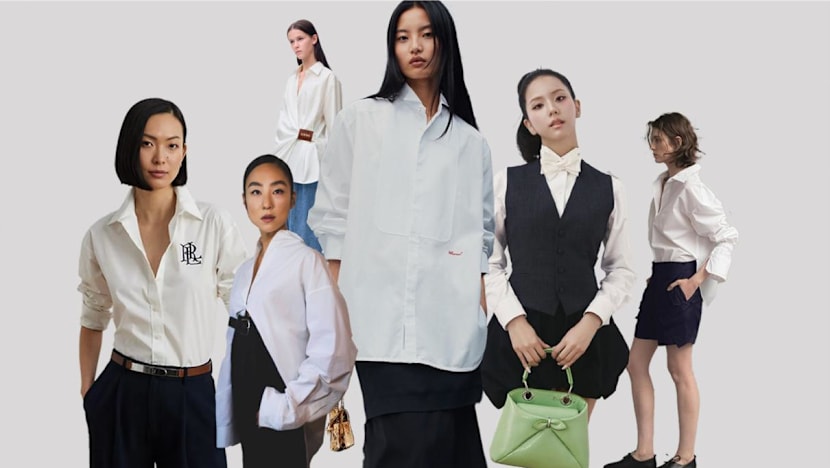
The difference between a S$40 white shirt and a S$4,000 designer version has become a topic of interest, especially in light of recent fashion events. The ongoing quest for the perfect white button-up shirt has led many to reconsider what they are really paying for when it comes to wardrobe staples. As consumers increasingly scrutinize their fashion choices, it’s essential to understand the factors that contribute to the striking price disparity between regular and luxury brands.
Fabric Quality and Sourcing
The primary distinction begins with fabric quality. Standard mass-market brands typically utilize cotton poplin or broadcloth, adequate for everyday wear. In contrast, luxury labels such as Prada and Saint Laurent often source their materials from reputable mills like Albini. Founded in 1876, this Italian mill is renowned for its premium cottons, including Egyptian Giza and Caribbean Sea Island varieties, which offer an unparalleled softness and durability.
Adele Chung, owner of Meiko Tailor in Singapore, notes that Albini’s fabrics possess exceptionally long fibers that feel smoother and resist pilling, making them worth the investment. Luxury brands may also incorporate silk into their designs, enhancing the shirt’s drape and comfort, while mass-market alternatives often rely on shorter fibers or chemical treatments that wear out more quickly.
Construction Techniques
While fabric sets the stage, the construction of a shirt ultimately influences its fit and longevity. Mass-produced shirts generally employ double-needle stitching, a method that is both fast and durable but can lead to puckering over time. Conversely, high-end brands prioritize single-needle construction, which allows for greater precision and results in a cleaner silhouette.
The meticulous nature of this technique means that premium shirts can feature between 18 to 22 stitches per inch, contributing to a smoother fit and enhanced movement. Chung emphasizes the importance of construction in women’s fashion, stating, “A well-constructed shirt should flatter the figure.” For instance, her bespoke shirt, the Seraphina, priced at S$599, showcases how thoughtful tailoring can elevate a garment from ordinary to extraordinary.
Attention to detail extends beyond construction to elements such as the collar and cuffs. Mass-market shirts typically use fused interlinings, which can degrade over time, while luxury brands often opt for floating interlinings made from cotton or linen for a more breathable finish.
Luxury shirts also feature high-quality buttons, often crafted from real mother-of-pearl and attached with meticulous cross-stitching. These small but significant details reflect the craftsmanship that separates designer shirts from their mass-produced counterparts.
Brand Identity and Emotional Value
Beyond fabric and construction, brand identity plays a crucial role in pricing. Luxury houses like Dior and Loewe incorporate unique design elements that reflect their brand ethos, whether through tailored precision or innovative silhouettes. These signature touches can include custom embroidery or exclusive buttons that enhance the garment’s overall appeal.
After examining the various components that contribute to luxury shirts, it becomes apparent that while some price differences can be justified, the emotional value associated with owning a designer piece often inflates the cost. As Chung points out, “Off-the-shelf luxury brand shirts often have inflated prices due to branding or design, not a direct reflection on the actual quality.”
For those seeking craftsmanship without the luxury markup, options are available. Meiko Tailor offers custom shirts starting at S$230, highlighting that quality tailoring does not have to come with a high price tag. Furthermore, brands like COS and Uniqlo provide well-constructed shirts at accessible prices, proving that style and quality can coexist without excessive spending.
In summary, while the allure of a designer label is undeniable, an understanding of fabric quality, construction techniques, and brand identity can empower consumers to make informed decisions about their wardrobe choices. Whether opting for a budget-friendly option or indulging in luxury, attention to detail remains key to finding the perfect white shirt.

India Unveils Long-Range Hypersonic Missile Amid Regional Tensions

SK bioscience Launches Global Trial for Universal Sarbecovirus Vaccine

Senegal Coach Pape Thiaw Suspended and Fined After Final Disruption

PAS Denies Abolishing Chairman Post, Contradicts Muhyiddin’s Claim

Mbappé Critiques Real Madrid’s Effort After Benfica Defeat

Thailand’s December Factory Output Surges 2.52% Year-on-Year

Ishita Dutta Reveals Her Parenting Secret: Strong Coffee

Older GPs Express Concerns Over New Digital Health Record Mandate

Urban Jurgensen: A 252-Year Legacy Enters a New Era

Regina Martinez Breaks New Ground for Mexico in Cross-Country Skiing

South Korea’s Foreign Minister Cho Hyun to Visit China This Week

Starling Bank Plans Secondary Share Sale, Targeting $5.4 Billion Valuation

Munsang College Celebrates 100 Years with Grand Ceremony

PAS Aims to Expand Parliamentary Influence in Upcoming Election

De Minaur Triumphs at Washington Open After Thrilling Comeback

Kenvue Dismisses CEO Thibaut Mongon as Strategic Review Advances

Humanism Camp Engages 250 Youths in Summer Fest 2025

Colombian Senator Miguel Uribe Shows Signs of Recovery After Attack
-
 Sports3 months ago
Regina Martinez Breaks New Ground for Mexico in Cross-Country Skiing
-
 World7 months ago
South Korea’s Foreign Minister Cho Hyun to Visit China This Week
-
 Business7 months ago
Starling Bank Plans Secondary Share Sale, Targeting $5.4 Billion Valuation
-
 Top Stories7 months ago
Munsang College Celebrates 100 Years with Grand Ceremony
-
 World7 months ago
PAS Aims to Expand Parliamentary Influence in Upcoming Election
-
 Sports8 months ago
De Minaur Triumphs at Washington Open After Thrilling Comeback
-
 Business9 months ago
Kenvue Dismisses CEO Thibaut Mongon as Strategic Review Advances
-
 Lifestyle8 months ago
Humanism Camp Engages 250 Youths in Summer Fest 2025
-
 Top Stories9 months ago
Colombian Senator Miguel Uribe Shows Signs of Recovery After Attack
-

 Sports9 months ago
Tupou and Daugunu Join First Nations Squad for Lions Clash
-
 World9 months ago
ASEAN Gears Up for Historic Joint Meeting of Foreign and Economic Ministers
-

 Health8 months ago
New Study Challenges Assumptions About Aging and Inflammation