
Health
Understanding Rosacea: Causes, Symptoms, and Effective Management

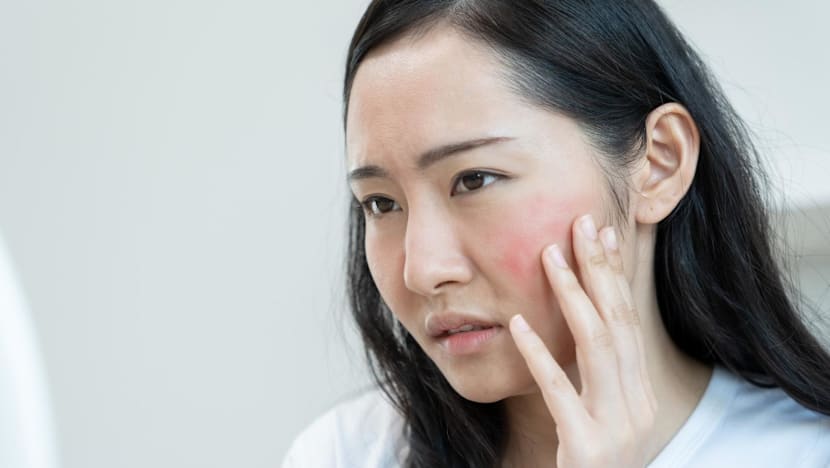
Rosacea, a chronic skin condition that affects over 14 million people in the United States, often worsens with age, particularly for those in their 40s and 50s. Symptoms such as frequent flushing, acne-like breakouts, and dilated blood vessels can become more pronounced, according to Dr. Julie C. Harper, a dermatologist based in Birmingham, Alabama. While rosacea can manifest at any age, many individuals do not notice symptoms until after their 30s.
What remains unclear is the exact cause of rosacea and why its symptoms often intensify during midlife. Currently, there is no cure for the condition, but effective management strategies are available.
Why Rosacea Worsens with Age
Rosacea tends to have a genetic component and often arises when the immune system overreacts to specific environmental triggers. These triggers include sun exposure, spicy foods, alcohol, and extreme weather conditions. Dr. Marie Leger, a dermatologist in New York City, notes that the symptoms, which include persistent redness, dilated blood vessels, and bumps, can also lead to skin dryness, tightness, and a burning sensation. In some cases, individuals may experience grittiness or itchiness in the eyes, and the skin on the nose can thicken.
Symptoms of rosacea can fluctuate throughout a person’s life, often flaring up in response to various triggers. For those who develop rosacea in their 20s, it is common for the condition to worsen between the ages of 30 and 50. Dr. Harper suggests that chronic exposure to these triggers may lead to long-term inflammation, which weakens the tissues around blood vessels. Over time, this can result in persistent redness and more noticeable flushing.
The aging process itself further complicates the condition. Skin naturally thins and dries with age, making symptoms more visible. Dr. Elrashidy from Northwestern Medicine in Chicago highlights that many patients experiencing perimenopause and menopause report increased symptoms. Although some patients notice a correlation between hormonal changes and symptom severity, a definitive hormonal link has yet to be established.
Managing Rosacea Effectively
Successfully managing rosacea typically involves a combination of strategies tailored to individual triggers. Dr. Leger emphasizes the importance of identifying and avoiding personal triggers, which may include dietary choices or environmental factors. However, some triggers, such as cold weather, may be unavoidable.
Using gentle skincare products is also crucial. Moisturising cleansers containing ingredients like glycerin or dimethicone can help soothe irritated skin. Products with sulfur, known for their anti-inflammatory properties, can also alleviate symptoms. Dr. Leger warns against using scrubs or fragrance-laden products, which can further irritate sensitive skin.
Sun exposure is a significant trigger for many individuals with rosacea. Daily application of a broad-spectrum sunscreen with SPF 30 or higher is essential. Dr. Elrashidy recommends reapplying every one to two hours when outdoors. Mineral sunscreens, particularly those containing zinc oxide or titanium dioxide, are often better tolerated than their chemical counterparts.
For more severe cases, prescription medications can provide relief. Topical treatments such as brimonidine gel and oxymetazoline cream work to constrict blood vessels and reduce redness. Other options like azelaic acid, ivermectin cream, and metronidazole can help manage inflammation and the appearance of pimples. These medications may be supplemented by low-dose oral antibiotics, which can be taken intermittently during flare-ups or for extended periods, as advised by Dr. Leger.
Laser therapy is another avenue for managing rosacea. This treatment uses specific wavelengths of light to shrink blood vessels and diminish redness. Patients typically undergo one to three sessions, spaced about a month apart, with maintenance treatments suggested every six months to a year.
Regardless of the severity of symptoms, consulting a dermatologist is advisable. Dr. Harper emphasizes that it is never too early or too late to seek professional assistance. Dermatologists can help identify triggers and create a personalized management plan. As Dr. Leger states, “Having a strategy can make patients feel much more in control.”
Understanding rosacea is key to managing its symptoms effectively. With the right approach, individuals can lead comfortable lives while minimizing the impact of this challenging skin condition.

India Unveils Long-Range Hypersonic Missile Amid Regional Tensions

SK bioscience Launches Global Trial for Universal Sarbecovirus Vaccine

Senegal Coach Pape Thiaw Suspended and Fined After Final Disruption

PAS Denies Abolishing Chairman Post, Contradicts Muhyiddin’s Claim

Mbappé Critiques Real Madrid’s Effort After Benfica Defeat

Thailand’s December Factory Output Surges 2.52% Year-on-Year

Ishita Dutta Reveals Her Parenting Secret: Strong Coffee

Older GPs Express Concerns Over New Digital Health Record Mandate

Urban Jurgensen: A 252-Year Legacy Enters a New Era

Regina Martinez Breaks New Ground for Mexico in Cross-Country Skiing

South Korea’s Foreign Minister Cho Hyun to Visit China This Week

Starling Bank Plans Secondary Share Sale, Targeting $5.4 Billion Valuation

Munsang College Celebrates 100 Years with Grand Ceremony

PAS Aims to Expand Parliamentary Influence in Upcoming Election

De Minaur Triumphs at Washington Open After Thrilling Comeback

Kenvue Dismisses CEO Thibaut Mongon as Strategic Review Advances

Humanism Camp Engages 250 Youths in Summer Fest 2025

Colombian Senator Miguel Uribe Shows Signs of Recovery After Attack
-
 Sports2 months ago
Regina Martinez Breaks New Ground for Mexico in Cross-Country Skiing
-
 World6 months ago
South Korea’s Foreign Minister Cho Hyun to Visit China This Week
-
 Business7 months ago
Starling Bank Plans Secondary Share Sale, Targeting $5.4 Billion Valuation
-
 Top Stories6 months ago
Munsang College Celebrates 100 Years with Grand Ceremony
-
 World6 months ago
PAS Aims to Expand Parliamentary Influence in Upcoming Election
-
 Sports8 months ago
De Minaur Triumphs at Washington Open After Thrilling Comeback
-
 Business8 months ago
Kenvue Dismisses CEO Thibaut Mongon as Strategic Review Advances
-
 Lifestyle8 months ago
Humanism Camp Engages 250 Youths in Summer Fest 2025
-
 Top Stories8 months ago
Colombian Senator Miguel Uribe Shows Signs of Recovery After Attack
-

 Sports8 months ago
Tupou and Daugunu Join First Nations Squad for Lions Clash
-

 World8 months ago
ASEAN Gears Up for Historic Joint Meeting of Foreign and Economic Ministers
-

 Health8 months ago
New Study Challenges Assumptions About Aging and Inflammation