
Health
Understanding “Leisure Sickness” During Holiday Travel

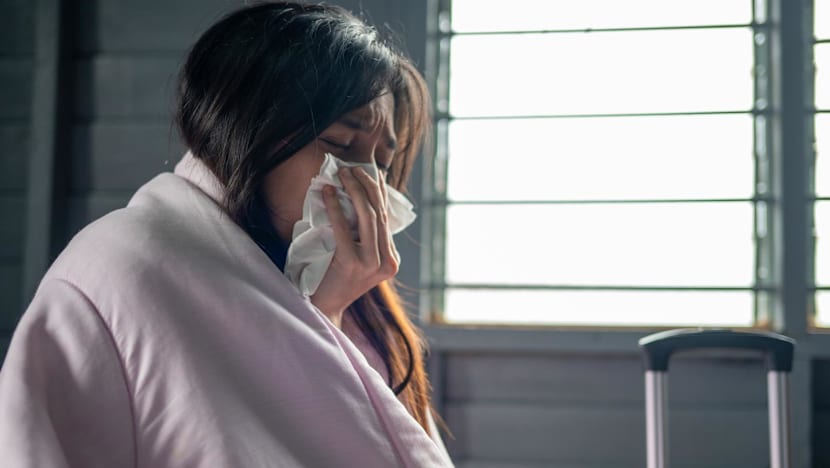
Traveling for a holiday can become a double-edged sword when the excitement of a long-awaited break is overshadowed by unexpected illness. Many individuals find themselves battling symptoms of a cold or digestive issues shortly after arriving at their destination. This phenomenon, often referred to as “leisure sickness,” has been identified by health professionals as a common occurrence, especially among those transitioning from a high-pressure work environment to a relaxed holiday.
Dr Ong Li Anne, an associate consultant with Ng Teng Fong General Hospital’s Psychiatry department, explains that leisure sickness is not a formally recognized medical diagnosis. Yet, it reflects a troubling pattern of illness that coincides with time off from work. “It tends to occur in those who struggle with transitioning from working to not working,” Dr Ong notes. This is particularly evident in individuals who have high expectations of themselves and are often under significant stress.
Understanding the body’s response to stress is crucial in contextualizing this phenomenon. As the year draws to a close, many people experience heightened stress levels due to looming deadlines and increased responsibilities. Dr Yee Szemen, a senior consultant and head of NTFGH’s Endocrinology Division, elaborates that prolonged exposure to stress can lead to an uptick in cortisol and adrenaline levels, hormones known to suppress the immune system. When the opportunity to relax finally arrives, the immune system may respond negatively, making individuals more susceptible to colds and other illnesses.
Travel-Related Health Risks
Travel itself introduces a unique set of challenges that can exacerbate feelings of illness. The dry air in airplane cabins can lead to dehydrated mucus in the nasal passages and throat, reducing the body’s ability to filter out harmful pathogens. Dr Woo Han Yang, a general practitioner at Doctor Anywhere, points out that symptoms often arise not during the flight but shortly after arriving at the destination, usually within a few days. He emphasizes that many travelers report gastrointestinal issues, which can stem from unfamiliar food preparation practices, local bacteria, or contaminated water.
Moreover, the stress of navigating new environments can further contribute to feelings of being unwell. Dr Woo notes that the combination of altered climates and foreign surroundings can make it difficult to effectively communicate health concerns, complicating timely access to care.
The holiday season also increases the likelihood of falling ill, not just while traveling but during gatherings. The surge in social interactions, particularly in crowded places, raises the risk of exposure to viruses. “You come into contact with many more people than usual, multiplying your chances of catching a bug,” Dr Woo explains. Additionally, alcohol consumption during festivities can impair immune functions, leaving individuals more vulnerable to illness.
Preventive Measures for a Healthier Holiday
For those planning to travel, adopting proactive health strategies can mitigate the risk of falling sick. Dr Woo recommends practicing safe eating and drinking habits, such as consuming bottled water and avoiding undercooked foods. He emphasizes that a balanced diet, regular exercise, and adequate rest form the foundation of a robust immune system.
Dr Ong encourages individuals to rethink their approach to rest and stress management. “It helps to consider stress regulation as an ongoing process throughout the year,” she advises. Implementing core principles of a healthy lifestyle—such as pacing oneself, maintaining physical activity, and practicing good sleep hygiene—can allow for a smoother transition into the holiday period.
Ultimately, both Dr Ong and Dr Woo stress the importance of a gradual adjustment to downtime. Acknowledging the body’s signals and prioritizing self-care can transform the holiday experience, allowing individuals to enjoy their time off without the interruption of illness. By understanding the factors that contribute to leisure sickness, travelers can take steps to enhance their overall health and well-being during holiday adventures.

India Unveils Long-Range Hypersonic Missile Amid Regional Tensions

SK bioscience Launches Global Trial for Universal Sarbecovirus Vaccine

Senegal Coach Pape Thiaw Suspended and Fined After Final Disruption

PAS Denies Abolishing Chairman Post, Contradicts Muhyiddin’s Claim

Mbappé Critiques Real Madrid’s Effort After Benfica Defeat

Thailand’s December Factory Output Surges 2.52% Year-on-Year

Ishita Dutta Reveals Her Parenting Secret: Strong Coffee

Older GPs Express Concerns Over New Digital Health Record Mandate

Urban Jurgensen: A 252-Year Legacy Enters a New Era

Regina Martinez Breaks New Ground for Mexico in Cross-Country Skiing

South Korea’s Foreign Minister Cho Hyun to Visit China This Week

Starling Bank Plans Secondary Share Sale, Targeting $5.4 Billion Valuation

Munsang College Celebrates 100 Years with Grand Ceremony

PAS Aims to Expand Parliamentary Influence in Upcoming Election

De Minaur Triumphs at Washington Open After Thrilling Comeback

Kenvue Dismisses CEO Thibaut Mongon as Strategic Review Advances

Humanism Camp Engages 250 Youths in Summer Fest 2025

Colombian Senator Miguel Uribe Shows Signs of Recovery After Attack
-
 Sports1 month ago
Regina Martinez Breaks New Ground for Mexico in Cross-Country Skiing
-
 World6 months ago
South Korea’s Foreign Minister Cho Hyun to Visit China This Week
-
 Business6 months ago
Starling Bank Plans Secondary Share Sale, Targeting $5.4 Billion Valuation
-
 Top Stories6 months ago
Munsang College Celebrates 100 Years with Grand Ceremony
-
 World6 months ago
PAS Aims to Expand Parliamentary Influence in Upcoming Election
-
 Sports7 months ago
De Minaur Triumphs at Washington Open After Thrilling Comeback
-
 Business8 months ago
Kenvue Dismisses CEO Thibaut Mongon as Strategic Review Advances
-
 Lifestyle7 months ago
Humanism Camp Engages 250 Youths in Summer Fest 2025
-
 Top Stories8 months ago
Colombian Senator Miguel Uribe Shows Signs of Recovery After Attack
-

 Sports8 months ago
Tupou and Daugunu Join First Nations Squad for Lions Clash
-
 World8 months ago
ASEAN Gears Up for Historic Joint Meeting of Foreign and Economic Ministers
-
 Health7 months ago
New Study Challenges Assumptions About Aging and Inflammation