
Health
Turning Pain into Purpose: A Journey of Recovery and Resilience

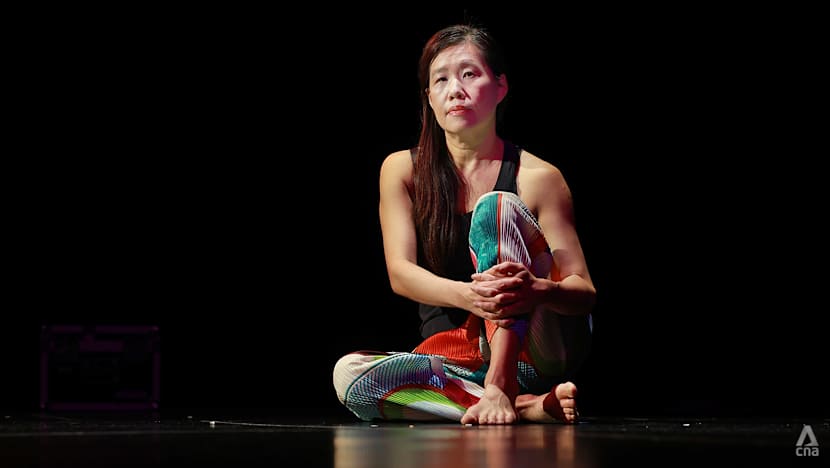
A knee injury transformed the life of Dr. Beverly Low Yuen Wei, a physical theatre director and part-time lecturer, who once relied on her body for storytelling and teaching. Two years ago, during a Chinese martial arts training session, a sharp “pop” signalled the beginning of a challenging journey. The injury resulted in multiple torn ligaments in her knee, drastically altering her daily movements and the way she interacted with her environment.
Before the injury, Dr. Low’s body was an essential tool in her work, allowing her to guide students through physical education, where strength, balance, and movement were paramount. Yet, after sustaining the injury, even basic tasks became daunting. Everyday activities like sitting on a toilet or walking 200 meters required significant effort, as she initially relied on a crutch for support.
As she prepared to return to teaching at Republic Polytechnic, Dr. Low faced the reality that she could no longer fulfil the physical demands of her role. The polytechnic reassigned her to a classroom-based module, and navigating the campus became a source of frustration. Out of pride, she chose to use a cabin-sized piece of luggage for support instead of a crutch, highlighting the emotional toll of her situation.
Despite still appearing fit, Dr. Low experienced a profound internal struggle. She had previously excelled in high-intensity interval training and marathons, but now, even a short walk felt laborious. The lingering effects of her injury forced her to confront a new identity, one that was at odds with her previous capabilities.
Rebuilding Strength and Adjusting Expectations
Today, Dr. Low has regained approximately 90 percent of her physical abilities, allowing her to run, train, and perform again. However, the knee is not fully recovered; stiffness persists, especially with fatigue. Medical advice has suggested avoiding high-impact activities like running and jumping due to the torn stabilising ligament. Recovery involved collaboration with a physiotherapist, where she learned to understand her limits and the importance of pacing herself.
A year after her injury, she could walk and smile again, even if she still faced challenges, such as standing steadily on a moving train. Dr. Low applied for the “May I have a seat, please?” initiative, which aims to support commuters with invisible health conditions. This experience underscored the contrast between her past self and her present circumstances. The once-active lifestyle she led seemed distant, as she adapted to a slower pace.
Adjusting to her new reality required a significant mindset shift. Once a classic Type A personality, her life was filled with deadlines and fast-paced activities. Now, she prioritised rest, rehabilitation, and self-reflection. Surprisingly, her honesty about needing more time resulted in extended deadlines, revealing a supportive community behind her.
Transforming Adversity into Artistic Expression
Dr. Low faced a pivotal moment: to either succumb to her limitations or reframe her approach. She began working from a chair, allowing her upper body to take the lead while exploring what movements were possible without pain. This shift in perspective opened unexpected avenues for creativity. It was not long before she led a seated movement workshop at The Listening Academy, focusing on loss and its various forms.
Her experiences prompted a deeper understanding of inclusivity in physical theatre. In October 2023, she issued an open call for performers who faced challenges in physical expression due to injuries or limited mobility. Among those who responded, many experienced chronic pain, leading to choreography that embraced their realities rather than working against them.
In a recent project, Dr. Low gathered performers spanning five generations, from energetic 18-year-olds to inspiring 84-year-olds. This collaboration encouraged her to examine her preconceptions about age and strength, fostering a richer dialogue about how bodies communicate.
Her upcoming project will delve into non-linear recovery, reflecting the often-overlooked aspects of healing, including setbacks and small victories. Dr. Low’s artistic vision has evolved to honour the complexities of recovery, shifting the focus from perfection to embracing the messiness of human experience.
Through guided exercise and education, Dr. Low has reframed her understanding of pain and progress. From struggling to walk 200 meters, she is now able to jog 15 kilometres in one hour and 50 minutes, matching her pre-injury pace. Her favourite running spot, Gardens by the Bay, has become a place of mindfulness, where she appreciates the beauty of her surroundings.
In her coaching, she now encourages trainees to progress at their own pace, reflecting the lessons learned from her journey. Dr. Low has shifted from conducting online meetings on the go to prioritising rest and mental well-being. The “May I have a seat, please?” card, though no longer in use, serves as a poignant reminder of the invisible struggles many face daily.
While Dr. Low continues to grapple with her knee injury, it has paradoxically inspired a new purpose—creating performances that celebrate recovery, promote inclusivity, and highlight the resilience found in vulnerability. The journey has reshaped her identity as an artist, educator, and individual, proving that even through pain, there can be profound growth and renewal.

India Unveils Long-Range Hypersonic Missile Amid Regional Tensions

SK bioscience Launches Global Trial for Universal Sarbecovirus Vaccine

Senegal Coach Pape Thiaw Suspended and Fined After Final Disruption

PAS Denies Abolishing Chairman Post, Contradicts Muhyiddin’s Claim

Mbappé Critiques Real Madrid’s Effort After Benfica Defeat

Thailand’s December Factory Output Surges 2.52% Year-on-Year

Ishita Dutta Reveals Her Parenting Secret: Strong Coffee

Older GPs Express Concerns Over New Digital Health Record Mandate

Urban Jurgensen: A 252-Year Legacy Enters a New Era

Regina Martinez Breaks New Ground for Mexico in Cross-Country Skiing

South Korea’s Foreign Minister Cho Hyun to Visit China This Week

Starling Bank Plans Secondary Share Sale, Targeting $5.4 Billion Valuation

Munsang College Celebrates 100 Years with Grand Ceremony

PAS Aims to Expand Parliamentary Influence in Upcoming Election

De Minaur Triumphs at Washington Open After Thrilling Comeback

Kenvue Dismisses CEO Thibaut Mongon as Strategic Review Advances

Humanism Camp Engages 250 Youths in Summer Fest 2025

Colombian Senator Miguel Uribe Shows Signs of Recovery After Attack
-
 Sports2 months ago
Regina Martinez Breaks New Ground for Mexico in Cross-Country Skiing
-
 World6 months ago
South Korea’s Foreign Minister Cho Hyun to Visit China This Week
-
 Business6 months ago
Starling Bank Plans Secondary Share Sale, Targeting $5.4 Billion Valuation
-
 Top Stories6 months ago
Munsang College Celebrates 100 Years with Grand Ceremony
-
 World6 months ago
PAS Aims to Expand Parliamentary Influence in Upcoming Election
-
 Sports8 months ago
De Minaur Triumphs at Washington Open After Thrilling Comeback
-
 Business8 months ago
Kenvue Dismisses CEO Thibaut Mongon as Strategic Review Advances
-
 Lifestyle8 months ago
Humanism Camp Engages 250 Youths in Summer Fest 2025
-
 Top Stories8 months ago
Colombian Senator Miguel Uribe Shows Signs of Recovery After Attack
-

 Sports8 months ago
Tupou and Daugunu Join First Nations Squad for Lions Clash
-
 World8 months ago
ASEAN Gears Up for Historic Joint Meeting of Foreign and Economic Ministers
-
 Health8 months ago
New Study Challenges Assumptions About Aging and Inflammation