
Health
Transform Your Fitness Routine with 10 Practical Tips

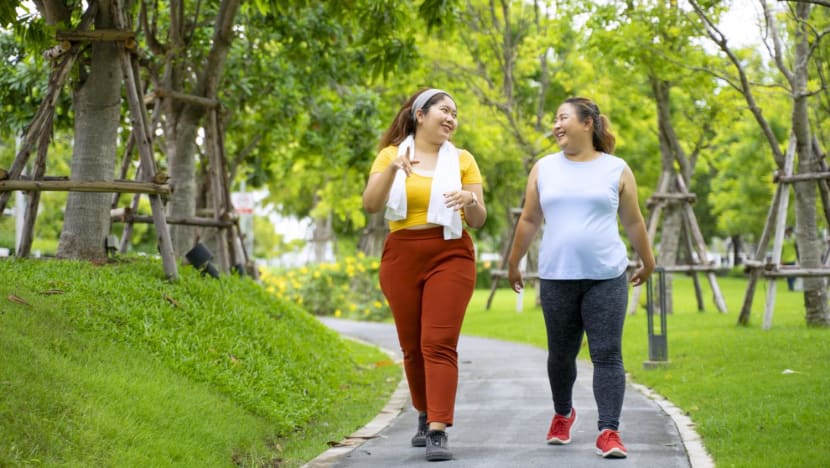
Regular exercise is essential for maintaining both physical and mental health. It enhances energy levels, improves mood, and sharpens cognitive function. Yet, even the most dedicated fitness enthusiasts sometimes find it challenging to stay motivated. Here are ten practical tips designed to inspire individuals of all ages to incorporate more movement into their daily lives.
Embrace Interval Walking for Better Health
One of the latest fitness trends, known as “Japanese walking,” has gained popularity for its simplicity and effectiveness. This method involves alternating between brisk walking for three minutes and slower walking for three minutes, for a total duration of at least 30 minutes. Research indicates that this variation in intensity can lead to improved blood pressure, enhanced cardiovascular health, and increased leg strength compared to maintaining a steady pace.
For those already comfortable with walking, this technique can serve as a gateway to more challenging workouts. Incorporating short running intervals can elevate cardiovascular benefits and help individuals prepare for longer distances, using the widely-adopted run-walk method.
Strength Training Without Weights
Strength training offers numerous advantages for individuals across all age groups, yet many find entering a gym intimidating. The good news is that effective strength workouts can be performed at home using body weight. Exercises such as push-ups, lunges, and planks can help build strength without the need for heavy weights. It is crucial to progressively increase the intensity to ensure continued improvement.
Furthermore, strength training has been shown to alleviate common issues such as knee and back pain. Research supports that targeted exercises can help build the muscles surrounding the knees, providing essential support and reducing discomfort. Similarly, maintaining an active lifestyle can significantly alleviate chronic back pain. Regular movement, core strengthening, and low-impact cardio exercises can all contribute to better back health.
Learn from Global Fitness Cultures
While fitness is often viewed through a commercial lens, many cultures embrace a more communal approach to exercise. From the beaches of Brazil to the snowy landscapes of Finland, outdoor activity is frequently seen as a way to engage with nature and connect with others. This perspective encourages individuals to view exercise not merely as a chore but as an opportunity for social interaction and enjoyment, regardless of the weather conditions.
Moreover, age should not be a limiting factor in pursuing fitness goals. Contrary to the belief that physical decline is inevitable with age, many individuals find new strength and capability in their middle years. By balancing rigorous workouts with adequate rest, it is entirely possible to reach peak fitness later in life.
Community and Connection in Fitness
The notion that lifting weights is solely for younger individuals is being challenged by communities like the one at Greysteel Gym in a suburb of Detroit. Here, seniors come together to engage in strength training, focusing on four fundamental lifts to enhance functional strength. Many participants emphasize that the friendships formed in this supportive environment are just as valuable as the physical training itself.
Similarly, 100-year-old yoga teacher Charlotte Chopin demonstrates that it is never too late to embrace a fitness routine. Her longevity in practice highlights the importance of consistency and a positive mindset in maintaining physical activity.
Mental Health Benefits of Exercise
The mental health benefits of regular exercise are profound. Many who maintain an active lifestyle report feeling more alert, happier, and invigorated following a workout session. For individuals grappling with depression and anxiety, the impacts of physical activity can be particularly significant, offering a powerful tool for managing mental health.
In conclusion, integrating movement into daily life can be achieved through various accessible methods. Whether through interval walking, strength training at home, or participating in community exercise groups, individuals can find enjoyment and improvement in their fitness journeys. Emphasizing the mental and physical health benefits can motivate anyone to make exercise a regular part of their lives.
By Erik Vance © The New York Times Company. The article originally appeared in The New York Times.

India Unveils Long-Range Hypersonic Missile Amid Regional Tensions

SK bioscience Launches Global Trial for Universal Sarbecovirus Vaccine

Senegal Coach Pape Thiaw Suspended and Fined After Final Disruption

PAS Denies Abolishing Chairman Post, Contradicts Muhyiddin’s Claim

Mbappé Critiques Real Madrid’s Effort After Benfica Defeat

Thailand’s December Factory Output Surges 2.52% Year-on-Year

Ishita Dutta Reveals Her Parenting Secret: Strong Coffee

Older GPs Express Concerns Over New Digital Health Record Mandate

Urban Jurgensen: A 252-Year Legacy Enters a New Era

Regina Martinez Breaks New Ground for Mexico in Cross-Country Skiing

South Korea’s Foreign Minister Cho Hyun to Visit China This Week

Starling Bank Plans Secondary Share Sale, Targeting $5.4 Billion Valuation

Munsang College Celebrates 100 Years with Grand Ceremony

PAS Aims to Expand Parliamentary Influence in Upcoming Election

De Minaur Triumphs at Washington Open After Thrilling Comeback

Kenvue Dismisses CEO Thibaut Mongon as Strategic Review Advances

Humanism Camp Engages 250 Youths in Summer Fest 2025

Colombian Senator Miguel Uribe Shows Signs of Recovery After Attack
-
 Sports2 months ago
Regina Martinez Breaks New Ground for Mexico in Cross-Country Skiing
-
 World6 months ago
South Korea’s Foreign Minister Cho Hyun to Visit China This Week
-
 Business6 months ago
Starling Bank Plans Secondary Share Sale, Targeting $5.4 Billion Valuation
-
 Top Stories6 months ago
Munsang College Celebrates 100 Years with Grand Ceremony
-
 World6 months ago
PAS Aims to Expand Parliamentary Influence in Upcoming Election
-
 Sports8 months ago
De Minaur Triumphs at Washington Open After Thrilling Comeback
-
 Business8 months ago
Kenvue Dismisses CEO Thibaut Mongon as Strategic Review Advances
-
 Lifestyle8 months ago
Humanism Camp Engages 250 Youths in Summer Fest 2025
-
 Top Stories8 months ago
Colombian Senator Miguel Uribe Shows Signs of Recovery After Attack
-

 Sports8 months ago
Tupou and Daugunu Join First Nations Squad for Lions Clash
-

 World8 months ago
ASEAN Gears Up for Historic Joint Meeting of Foreign and Economic Ministers
-
 Health8 months ago
New Study Challenges Assumptions About Aging and Inflammation