
Health
Taiwan Expands Health Coverage to Include Proton Therapy for Children

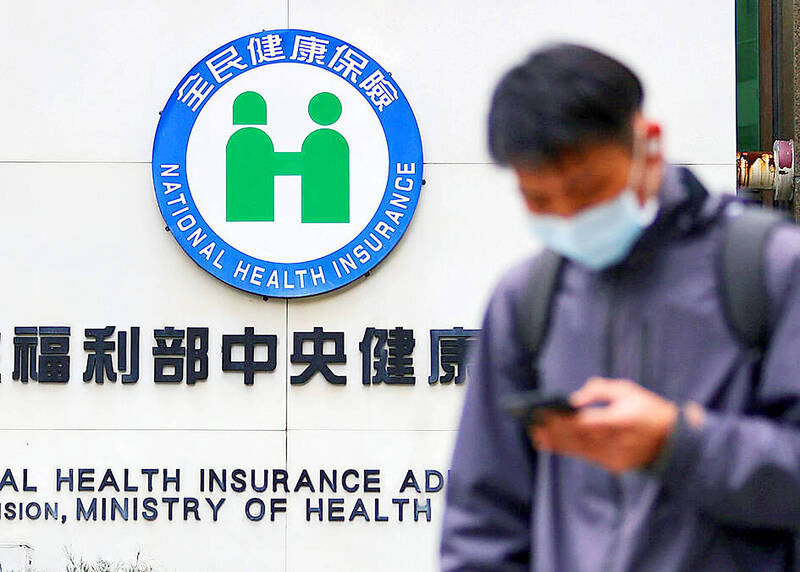
Proton therapy for childhood cancers has been included in the National Health Insurance (NHI) coverage in Taiwan as of January 2024. The National Health Insurance Administration (NHIA) announced that this new policy is expected to benefit approximately 100 children with cancer each year, providing crucial support for families facing the challenges of treatment.
The NHIA has established a tiered payment system for medical providers based on the absorbed doses of proton therapy. According to NHIA Director-General Chen Lian-yu, payment points are set at 676,000 for low-dose treatments, 1.03 million for medium-dose, and 1.26 million for high-dose proton therapy. This structured approach aims to ensure equitable compensation for healthcare providers while enhancing the availability of advanced cancer treatment options.
Proton therapy employs precise, high-energy proton beams that target cancer cells directly while minimizing harm to surrounding healthy tissues. Chao Hsing-lung, chairman of the Taiwan Society for Therapeutic Radiology and Oncology, emphasized that this method not only reduces side effects compared to traditional radiotherapy but also lowers the risk of secondary cancers, providing a safer option with improved long-term outcomes for children.
While the NHI fully covers proton therapy for childhood cancers, Huang Pei-shan, head of the NHIA Medical Affairs Division, noted that coverage is restricted to treatment indications that are proven to be safe and effective. As a result, not every case of childhood cancer will qualify for this new therapy under the NHI plan.
The NHIA has allocated approximately NT$105 million (around US$3.32 million) annually to support this initiative, reflecting the government’s commitment to enhancing pediatric cancer care. This funding will play a vital role in making proton therapy accessible to families who may otherwise struggle to afford such advanced treatment options.
In addition to the proton therapy coverage, the NHIA implemented two other significant policies this month. These include an increase in payment for emergency major trauma surgeries and an improved payment structure for managing hyperlipidemia.
To bolster hospitals’ emergency treatment capabilities, the NHIA will provide enhanced payment points for medical services performed promptly. Chen indicated that payment points are increased by 100 percent for services rendered within two hours of a patient’s arrival at an emergency room, and by 60 percent if performed between two and four hours. These incentives are designed to reward frontline medical workers for their critical care efforts, according to Kuo Ling-wei, secretary-general of the Formosa Association for the Surgery of Trauma.
The hyperlipidemia medical payment improvement program, developed with input from nine local medical associations, is part of the NHIA’s broader initiative to enhance treatment quality through a “pay for performance” model. The program encourages healthcare centers to offer services to individuals at high risk of atherosclerotic cardiovascular disease. Payment points for case enrollment range from 500 to 2,000, with an additional referral fee of 1,000 points for follow-up treatments.
As Taiwan continues to innovate in healthcare, the inclusion of proton therapy for children marks a significant advancement in the fight against pediatric cancers, promising better health outcomes and reducing the overall burden on families.

India Unveils Long-Range Hypersonic Missile Amid Regional Tensions

SK bioscience Launches Global Trial for Universal Sarbecovirus Vaccine

Senegal Coach Pape Thiaw Suspended and Fined After Final Disruption

PAS Denies Abolishing Chairman Post, Contradicts Muhyiddin’s Claim

Mbappé Critiques Real Madrid’s Effort After Benfica Defeat

Thailand’s December Factory Output Surges 2.52% Year-on-Year

Ishita Dutta Reveals Her Parenting Secret: Strong Coffee

Older GPs Express Concerns Over New Digital Health Record Mandate

Urban Jurgensen: A 252-Year Legacy Enters a New Era

South Korea’s Foreign Minister Cho Hyun to Visit China This Week

Starling Bank Plans Secondary Share Sale, Targeting $5.4 Billion Valuation

Munsang College Celebrates 100 Years with Grand Ceremony

PAS Aims to Expand Parliamentary Influence in Upcoming Election

Kenvue Dismisses CEO Thibaut Mongon as Strategic Review Advances

Humanism Camp Engages 250 Youths in Summer Fest 2025

De Minaur Triumphs at Washington Open After Thrilling Comeback

Tupou and Daugunu Join First Nations Squad for Lions Clash

Colombian Senator Miguel Uribe Shows Signs of Recovery After Attack
-
 World5 months ago
South Korea’s Foreign Minister Cho Hyun to Visit China This Week
-
 Business5 months ago
Starling Bank Plans Secondary Share Sale, Targeting $5.4 Billion Valuation
-
 Top Stories5 months ago
Munsang College Celebrates 100 Years with Grand Ceremony
-
 World5 months ago
PAS Aims to Expand Parliamentary Influence in Upcoming Election
-
 Business7 months ago
Kenvue Dismisses CEO Thibaut Mongon as Strategic Review Advances
-
 Lifestyle6 months ago
Humanism Camp Engages 250 Youths in Summer Fest 2025
-
 Sports6 months ago
De Minaur Triumphs at Washington Open After Thrilling Comeback
-
 Sports7 months ago
Tupou and Daugunu Join First Nations Squad for Lions Clash
-
 Top Stories7 months ago
Colombian Senator Miguel Uribe Shows Signs of Recovery After Attack
-
 World7 months ago
ASEAN Gears Up for Historic Joint Meeting of Foreign and Economic Ministers
-

 Health6 months ago
New Study Challenges Assumptions About Aging and Inflammation
-

 Business7 months ago
Oil Prices Surge Following New EU Sanctions on Russia