
Health
Taiwan Expands Access to Flu Antivirals Amid Rising Cases

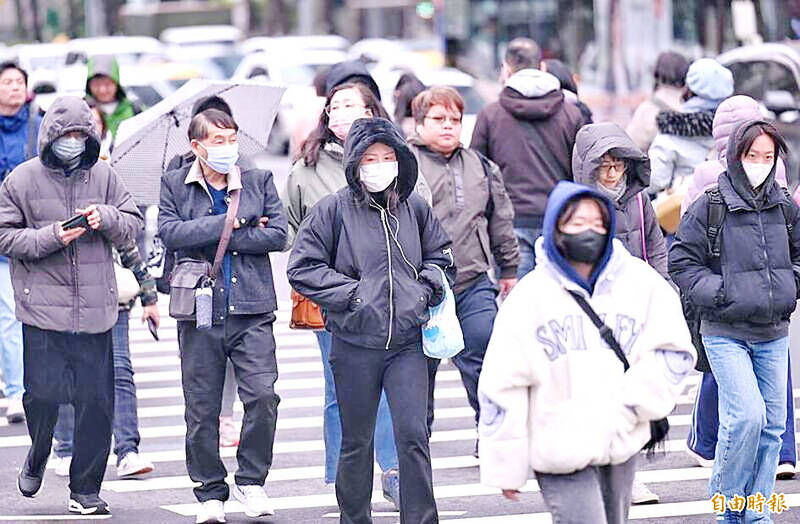
The government of Taiwan has announced an expansion of eligibility for government-funded influenza antiviral medications. Starting from January 20, 2024, until February 28, 2024, seven designated groups at higher risk for virus transmission will have access to these treatments. This decision by the Centers for Disease Control (CDC) comes as the flu is anticipated to enter an epidemic phase towards the end of January.
In a statement released yesterday, CDC Deputy Director-General Lin Min-cheng highlighted the urgency of the situation, noting that hospital visits for flu-like illnesses reached 82,161 during the last week of December, maintaining similar levels to the previous week. The CDC predicts that flu cases may peak around the upcoming Lunar New Year, which falls in mid-February.
The groups eligible for the antiviral medications include healthcare personnel, caregivers in nursing homes, childcare providers, students across various educational levels, and those living with individuals vulnerable to severe flu complications. Also included are workers in poultry and livestock farming, as well as people residing in high-density environments prone to outbreaks.
Lin emphasized that while the CDC typically broadens eligibility during epidemic periods, this proactive measure aims to mitigate the spread of the virus. He noted that recent data indicated that influenza remains the predominant respiratory virus in Taiwan, accounting for 43.8 percent of respiratory illness cases. This is significantly higher than adenoviruses and rhinoviruses, which accounted for 15.8 percent and 15.4 percent of cases, respectively.
Amid rising concerns, there have been reports of an increase in rhinovirus cases in China. While Taiwan has also experienced a slight uptick in rhinovirus infections, Lin reassured the public that these viruses have not surpassed flu cases in prevalence. The CDC continues to monitor changes in viral activity, especially as travel increases during the festive season.
The rhinovirus primarily affects the upper respiratory tract, leading to symptoms such as a runny nose and cough. These symptoms typically resolve within a week to ten days, and the health risks associated with rhinovirus are considerably lower than those posed by influenza. Lin stated, “It usually only causes inconvenience to people’s daily lives, but does not cause incapacity to work,” highlighting the stark differences between the two viruses.
In contrast, flu infections often result in widespread body aches and fatigue, with a higher risk of severe complications, particularly for the elderly and those with chronic health conditions. Chi Hsin, director of pediatrics at MacKay Memorial Hospital, noted common symptoms of rhinovirus infections, which can be categorized into three types: A, B, and C. He cautioned that rhinovirus C infections can exacerbate asthma or trigger allergic reactions, posing higher risks for children with existing respiratory conditions.
Furthermore, Chiu Cheng-hsun, deputy superintendent at Linkou Chang Gung Memorial Hospital, warned that individuals who are immunocompromised or have underlying health issues may face greater risks if infected with rhinovirus. He mentioned that ongoing observation is necessary to determine whether the increasing rhinovirus cases in China indicate potential mutations or increased co-infections.
As Taiwan prepares for the upcoming holiday season, public health officials remain vigilant in monitoring both flu and rhinovirus activity to safeguard public health.

India Unveils Long-Range Hypersonic Missile Amid Regional Tensions

SK bioscience Launches Global Trial for Universal Sarbecovirus Vaccine

Senegal Coach Pape Thiaw Suspended and Fined After Final Disruption

PAS Denies Abolishing Chairman Post, Contradicts Muhyiddin’s Claim

Mbappé Critiques Real Madrid’s Effort After Benfica Defeat

Thailand’s December Factory Output Surges 2.52% Year-on-Year

Ishita Dutta Reveals Her Parenting Secret: Strong Coffee

Older GPs Express Concerns Over New Digital Health Record Mandate

Urban Jurgensen: A 252-Year Legacy Enters a New Era

Regina Martinez Breaks New Ground for Mexico in Cross-Country Skiing

South Korea’s Foreign Minister Cho Hyun to Visit China This Week

Starling Bank Plans Secondary Share Sale, Targeting $5.4 Billion Valuation

Munsang College Celebrates 100 Years with Grand Ceremony

PAS Aims to Expand Parliamentary Influence in Upcoming Election

De Minaur Triumphs at Washington Open After Thrilling Comeback

Kenvue Dismisses CEO Thibaut Mongon as Strategic Review Advances

Humanism Camp Engages 250 Youths in Summer Fest 2025

Colombian Senator Miguel Uribe Shows Signs of Recovery After Attack
-
 Sports2 months ago
Regina Martinez Breaks New Ground for Mexico in Cross-Country Skiing
-
 World6 months ago
South Korea’s Foreign Minister Cho Hyun to Visit China This Week
-
 Business6 months ago
Starling Bank Plans Secondary Share Sale, Targeting $5.4 Billion Valuation
-
 Top Stories6 months ago
Munsang College Celebrates 100 Years with Grand Ceremony
-
 World6 months ago
PAS Aims to Expand Parliamentary Influence in Upcoming Election
-
 Sports8 months ago
De Minaur Triumphs at Washington Open After Thrilling Comeback
-
 Business8 months ago
Kenvue Dismisses CEO Thibaut Mongon as Strategic Review Advances
-
 Lifestyle8 months ago
Humanism Camp Engages 250 Youths in Summer Fest 2025
-
 Top Stories8 months ago
Colombian Senator Miguel Uribe Shows Signs of Recovery After Attack
-

 Sports8 months ago
Tupou and Daugunu Join First Nations Squad for Lions Clash
-

 World8 months ago
ASEAN Gears Up for Historic Joint Meeting of Foreign and Economic Ministers
-

 Health8 months ago
New Study Challenges Assumptions About Aging and Inflammation