
Health
Singapore Expands Health Initiative to Preschoolers and Primary Students

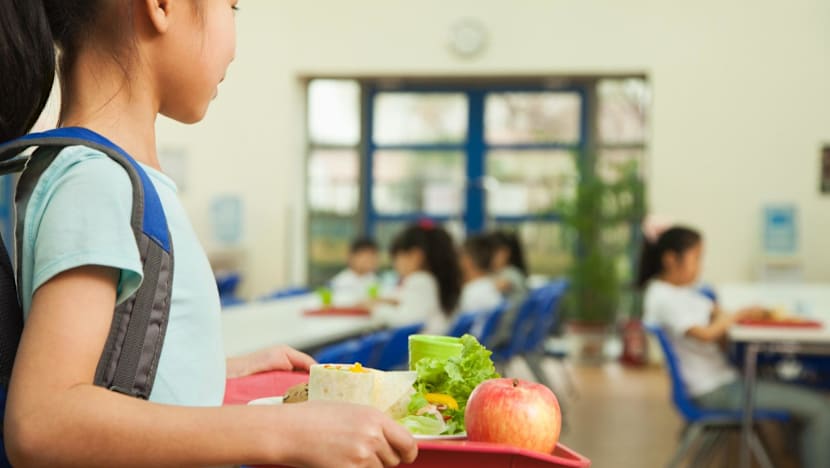
An initiative aimed at promoting healthy habits among children in Singapore has been broadened to include preschoolers and additional primary school students. The Health Plan initiative, which began in January 2025, now extends to Kindergarten 1, Kindergarten 2, Primary 4, and Primary 5 students, as announced by the Ministry of Health (MOH), Ministry of Education (MOE), and Ministry of Social and Family Development (MSF) on January 21.
Initially rolled out to students from Primary 1 to Primary 3, the program provides personalised health plans that incorporate lifestyle recommendations, health screening results, vaccination records, and referrals for further medical assistance. This expansion aims to reach approximately 80,000 Primary 4 and Primary 5 students starting from January.
Implementation in Preschools
The initiative will also be implemented in about 1,800 preschools by the end of the year, with a pilot program that began in July 2025, affecting around 840 students. Feedback from parents and preschool operators has been positive, underscoring the initiative’s potential for a nationwide rollout. The ministries emphasized that early childhood is crucial for developing preferences and habits that lay the groundwork for lifelong health.
Research conducted, including findings from the Growing Up in Singapore Towards healthy Outcomes study, suggests that cultivating healthy behaviours at a young age is most effective. The implementation in preschools will occur in phases starting in January, with personalised health plans tailored to children’s interests and habits. This data will be derived from annual health screenings and lifestyle questionnaires completed by parents.
To facilitate learning at home, parents will receive activity sheets designed to engage their children and reinforce healthy habits. Additionally, preschools will obtain a toolkit filled with resources to promote wellness within their environments.
Support for Primary School Students
The initiative’s expansion to include Primary 4 and Primary 5 students, initially announced during the MOE Committee of Supply debate last year, will also take effect in January as part of the schools’ health screening protocols. The ministries indicated that this strategy builds on previous efforts to encourage healthy behaviours throughout students’ educational journeys.
From 2027 onwards, schools will leverage the health plans previously provided to Primary 6 students, along with new resources for educators. This will support discussions regarding lifestyle choices aimed at maintaining healthy habits. These efforts will complement existing practices that communicate health messages through the school curriculum, including physical education and character education classes.
Launched as part of the Grow Well SG national health promotion strategy, the Health Plan initiative saw approximately 114,000 primary school students receive health plans last year. These plans focus on four key areas: being active, eating healthily, limiting screen time, and ensuring sufficient sleep.
The comprehensive approach reflects Singapore’s commitment to fostering a healthier future generation through early intervention and education, marking a significant step in public health policy.

India Unveils Long-Range Hypersonic Missile Amid Regional Tensions

SK bioscience Launches Global Trial for Universal Sarbecovirus Vaccine

Senegal Coach Pape Thiaw Suspended and Fined After Final Disruption

PAS Denies Abolishing Chairman Post, Contradicts Muhyiddin’s Claim

Mbappé Critiques Real Madrid’s Effort After Benfica Defeat

Thailand’s December Factory Output Surges 2.52% Year-on-Year

Ishita Dutta Reveals Her Parenting Secret: Strong Coffee

Older GPs Express Concerns Over New Digital Health Record Mandate

Urban Jurgensen: A 252-Year Legacy Enters a New Era

Regina Martinez Breaks New Ground for Mexico in Cross-Country Skiing

South Korea’s Foreign Minister Cho Hyun to Visit China This Week

Starling Bank Plans Secondary Share Sale, Targeting $5.4 Billion Valuation

Munsang College Celebrates 100 Years with Grand Ceremony

PAS Aims to Expand Parliamentary Influence in Upcoming Election

De Minaur Triumphs at Washington Open After Thrilling Comeback

Kenvue Dismisses CEO Thibaut Mongon as Strategic Review Advances

Humanism Camp Engages 250 Youths in Summer Fest 2025

Colombian Senator Miguel Uribe Shows Signs of Recovery After Attack
-
 Sports3 months ago
Regina Martinez Breaks New Ground for Mexico in Cross-Country Skiing
-
 World8 months ago
South Korea’s Foreign Minister Cho Hyun to Visit China This Week
-
 Business8 months ago
Starling Bank Plans Secondary Share Sale, Targeting $5.4 Billion Valuation
-
 Top Stories8 months ago
Munsang College Celebrates 100 Years with Grand Ceremony
-
 World8 months ago
PAS Aims to Expand Parliamentary Influence in Upcoming Election
-
 Sports9 months ago
De Minaur Triumphs at Washington Open After Thrilling Comeback
-
 Business10 months ago
Kenvue Dismisses CEO Thibaut Mongon as Strategic Review Advances
-
 Lifestyle9 months ago
Humanism Camp Engages 250 Youths in Summer Fest 2025
-
 Top Stories10 months ago
Colombian Senator Miguel Uribe Shows Signs of Recovery After Attack
-

 Sports10 months ago
Tupou and Daugunu Join First Nations Squad for Lions Clash
-
 World10 months ago
ASEAN Gears Up for Historic Joint Meeting of Foreign and Economic Ministers
-
 Health9 months ago
New Study Challenges Assumptions About Aging and Inflammation