
Health
Shingles Vaccine May Protect Against Dementia, Study Finds

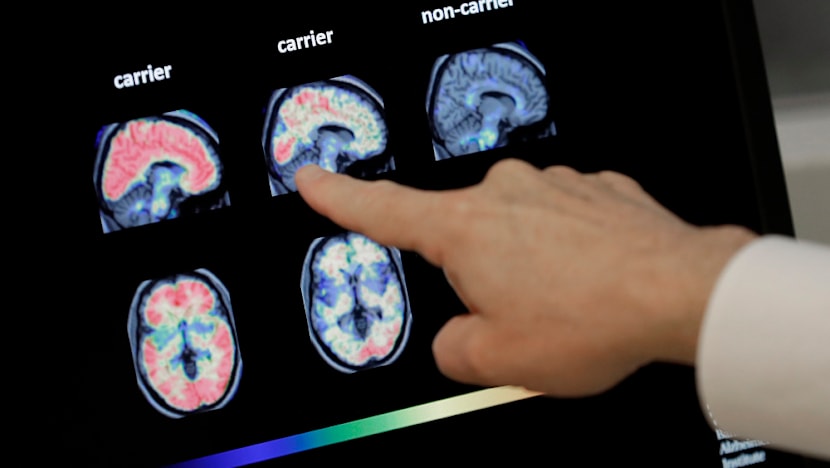
Research suggests that the shingles vaccine could offer unexpected benefits, potentially protecting against dementia. A new study indicates that vaccination against shingles may reduce the risk of developing dementia by as much as 20 percent. Furthermore, it appears to slow the progression of the disease in individuals who already have it, lowering the associated risk of death by nearly 30 percent over a period of almost a decade.
These findings highlight the broader implications of vaccination beyond infection prevention. If confirmed through further studies, this could present a cost-effective public health strategy to improve health outcomes in aging populations.
Vaccination against shingles, caused by the varicella zoster virus, is a routine health measure for individuals who have had chickenpox. This virus can become dormant in the nervous system, re-emerging later in life as shingles, which is characterized by a painful rash. The connection between shingles vaccination and dementia may seem tenuous, yet researchers propose two plausible theories.
The first theory revolves around the virus itself. According to Pascal Geldsetzer, a population health scientist at Stanford University, repeated activation of the chickenpox virus could lead to chronic brain inflammation, contributing to the development of dementia. This idea aligns with growing evidence linking various viruses, including the Epstein-Barr virus, to neurological conditions. The Epstein-Barr virus is known to provoke immune responses that may inadvertently damage nerve cells, potentially leading to diseases like multiple sclerosis.
The second theory posits that some vaccines might provide health benefits that extend beyond their primary purpose. For instance, research has shown that mRNA-based COVID-19 vaccines may improve survival rates for specific cancer patients by enhancing immune responses. Similarly, the Bacillus Calmette-Guerin (BCG) vaccine, originally developed against tuberculosis, has been noted for its ability to reduce infant mortality rates and now appears to offer protection against dementia as well.
While these findings are promising, there are significant caveats. The studies linking shingles vaccination to reduced dementia risk are based on observational data rather than randomized controlled trials. These observational studies have been robust, comparing individuals born within weeks of each other in the UK who were vaccinated before or after a specific age cutoff.
Another critical concern is that these studies primarily involved the older shingles vaccine, Zostavax, which is no longer used in the US or Europe. Zostavax was derived from a weakened form of the varicella zoster virus, while the current vaccine, Shingrix, employs a different method, exposing the immune system to only a portion of the virus. It remains unclear whether the protective effects observed with Zostavax will be replicated with Shingrix, which has been recognized since 2018 as the preferred option by the Centers for Disease Control and Prevention (CDC).
Research is still needed to determine if a booster shot could enhance these potential benefits. Additionally, the implications for younger generations who have received the chickenpox vaccine, added to childhood immunization schedules in 1996, require further exploration. It will take years to assess whether this lifelong protection influences brain health.
Geldsetzer is actively seeking funding to conduct a randomized controlled trial to ascertain the efficacy of the older shingles vaccine in preventing or treating dementia. He has expressed frustration at the slow progress in securing financial backing, noting that he first outlined his research plan two years ago. As evidence of the vaccine’s additional benefits accumulates, there is hope that funding will materialize.
Establishing the effectiveness of the shingles vaccine could lead to a simple, one-time intervention capable of reducing the risk of dementia. If these results hold true, it would represent a significant advancement in public health, likely drawing immediate interest from health organizations and individuals alike.

India Unveils Long-Range Hypersonic Missile Amid Regional Tensions

SK bioscience Launches Global Trial for Universal Sarbecovirus Vaccine

Senegal Coach Pape Thiaw Suspended and Fined After Final Disruption

PAS Denies Abolishing Chairman Post, Contradicts Muhyiddin’s Claim

Mbappé Critiques Real Madrid’s Effort After Benfica Defeat

Thailand’s December Factory Output Surges 2.52% Year-on-Year

Ishita Dutta Reveals Her Parenting Secret: Strong Coffee

Older GPs Express Concerns Over New Digital Health Record Mandate

Urban Jurgensen: A 252-Year Legacy Enters a New Era

Regina Martinez Breaks New Ground for Mexico in Cross-Country Skiing

South Korea’s Foreign Minister Cho Hyun to Visit China This Week

Starling Bank Plans Secondary Share Sale, Targeting $5.4 Billion Valuation

Munsang College Celebrates 100 Years with Grand Ceremony

PAS Aims to Expand Parliamentary Influence in Upcoming Election

De Minaur Triumphs at Washington Open After Thrilling Comeback

Kenvue Dismisses CEO Thibaut Mongon as Strategic Review Advances

Humanism Camp Engages 250 Youths in Summer Fest 2025

Colombian Senator Miguel Uribe Shows Signs of Recovery After Attack
-
 Sports2 months ago
Regina Martinez Breaks New Ground for Mexico in Cross-Country Skiing
-
 World6 months ago
South Korea’s Foreign Minister Cho Hyun to Visit China This Week
-
 Business7 months ago
Starling Bank Plans Secondary Share Sale, Targeting $5.4 Billion Valuation
-
 Top Stories7 months ago
Munsang College Celebrates 100 Years with Grand Ceremony
-
 World6 months ago
PAS Aims to Expand Parliamentary Influence in Upcoming Election
-
 Sports8 months ago
De Minaur Triumphs at Washington Open After Thrilling Comeback
-
 Business8 months ago
Kenvue Dismisses CEO Thibaut Mongon as Strategic Review Advances
-
 Lifestyle8 months ago
Humanism Camp Engages 250 Youths in Summer Fest 2025
-
 Top Stories9 months ago
Colombian Senator Miguel Uribe Shows Signs of Recovery After Attack
-

 Sports8 months ago
Tupou and Daugunu Join First Nations Squad for Lions Clash
-

 World8 months ago
ASEAN Gears Up for Historic Joint Meeting of Foreign and Economic Ministers
-
 Health8 months ago
New Study Challenges Assumptions About Aging and Inflammation