
Health
Shingles Risk Heightens for Diabetics: Key Health Insights

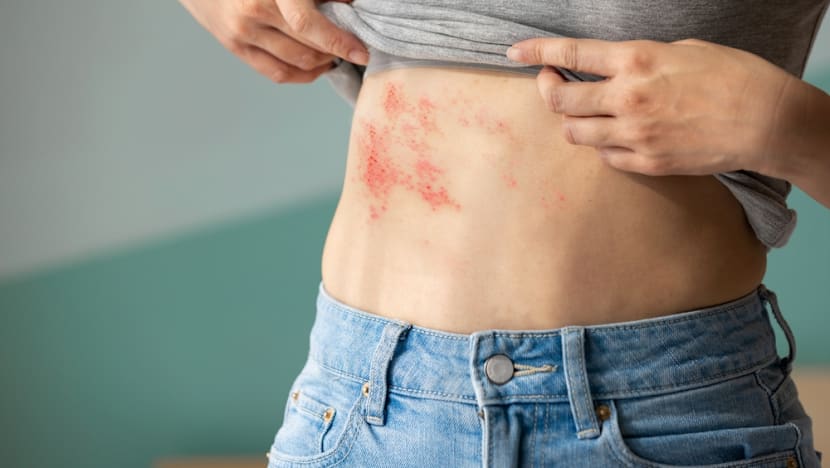
The varicella-zoster virus, responsible for chickenpox, never truly disappears from the body and can reactivate later in life as shingles. This condition manifests as a painful rash and can lead to complications, particularly for individuals with diabetes. Research indicates that those with Type 1 diabetes are over twice as likely to develop shingles compared to their non-diabetic peers. Furthermore, both Type 1 and Type 2 diabetics face more than three times the risk of hospitalization due to shingles and its associated complications.
According to Dr. Bee Yong Mong, the president of Diabetes Singapore, individuals managing diabetes must remain vigilant about their heightened susceptibility to shingles. The rigorous demands of diabetes management, which include monitoring blood glucose levels and adhering to medication regimens, add layers of complexity when fighting infections.
Understanding the Intersection of Diabetes and Shingles
Shingles can lead to severe complications such as post-herpetic neuralgia, which is characterized by long-term nerve pain, as well as bacterial skin infections and high fever. With World Diabetes Day approaching on November 14, 2023, the emphasis is on the broader implications of diabetes, including its impact on workplace dynamics. Dr. Bee highlights that the increased risk of infections and slower recovery times often necessitate additional medical leave, which may be misinterpreted by colleagues as unreliability.
“Diabetes causes low-grade inflammation that dampens the immune response, making individuals more vulnerable,” Dr. Bee stated. He elaborated on how elevated blood sugar levels hinder white blood cell functions crucial for fighting infections, thereby complicating the body’s ability to ward off viral threats like shingles.
Strategies for Prevention and Management
After experiencing shingles, even those with well-controlled diabetes may struggle to maintain their usual health standards. Dr. Bee pointed out that the pain and stress associated with shingles can trigger hormonal responses that complicate diabetes management. “Infections can lead to inflammation, which is linked to insulin resistance,” he added, stressing the importance of preventative measures.
Protecting against shingles should be integrated into comprehensive diabetes care. Dr. Bee recommends that individuals follow a balanced diet, exercise regularly, manage stress, and maintain good sleep hygiene. He also emphasizes good hygiene practices, such as regular handwashing and daily foot checks, which can significantly reduce the risk of infections.
Regular blood glucose monitoring and adhering to prescribed treatment plans are essential. “It is far easier to prevent shingles than to deal with its pain and complications,” Dr. Bee noted. He encourages patients to consult their healthcare providers about effective strategies for shingles prevention and management.
In conjunction with the upcoming 11.11 Shingles Consultation Day, individuals aged 50 and older, as well as those living with diabetes, are urged to seek professional advice on preventive measures against shingles. This initiative aims to raise awareness about the risks associated with shingles, particularly for vulnerable populations.
The information presented here is intended for educational purposes only and does not endorse specific products. For further details on shingles, treatment options, and prevention methods, individuals should consult a healthcare professional.

India Unveils Long-Range Hypersonic Missile Amid Regional Tensions

SK bioscience Launches Global Trial for Universal Sarbecovirus Vaccine

Senegal Coach Pape Thiaw Suspended and Fined After Final Disruption

PAS Denies Abolishing Chairman Post, Contradicts Muhyiddin’s Claim

Mbappé Critiques Real Madrid’s Effort After Benfica Defeat

Thailand’s December Factory Output Surges 2.52% Year-on-Year

Ishita Dutta Reveals Her Parenting Secret: Strong Coffee

Older GPs Express Concerns Over New Digital Health Record Mandate

Urban Jurgensen: A 252-Year Legacy Enters a New Era

Regina Martinez Breaks New Ground for Mexico in Cross-Country Skiing

South Korea’s Foreign Minister Cho Hyun to Visit China This Week

Starling Bank Plans Secondary Share Sale, Targeting $5.4 Billion Valuation

Munsang College Celebrates 100 Years with Grand Ceremony

PAS Aims to Expand Parliamentary Influence in Upcoming Election

De Minaur Triumphs at Washington Open After Thrilling Comeback

Kenvue Dismisses CEO Thibaut Mongon as Strategic Review Advances

Humanism Camp Engages 250 Youths in Summer Fest 2025

Colombian Senator Miguel Uribe Shows Signs of Recovery After Attack
-
 Sports2 months ago
Regina Martinez Breaks New Ground for Mexico in Cross-Country Skiing
-
 World6 months ago
South Korea’s Foreign Minister Cho Hyun to Visit China This Week
-
 Business7 months ago
Starling Bank Plans Secondary Share Sale, Targeting $5.4 Billion Valuation
-
 Top Stories7 months ago
Munsang College Celebrates 100 Years with Grand Ceremony
-
 World6 months ago
PAS Aims to Expand Parliamentary Influence in Upcoming Election
-
 Sports8 months ago
De Minaur Triumphs at Washington Open After Thrilling Comeback
-
 Business8 months ago
Kenvue Dismisses CEO Thibaut Mongon as Strategic Review Advances
-
 Lifestyle8 months ago
Humanism Camp Engages 250 Youths in Summer Fest 2025
-
 Top Stories9 months ago
Colombian Senator Miguel Uribe Shows Signs of Recovery After Attack
-

 Sports8 months ago
Tupou and Daugunu Join First Nations Squad for Lions Clash
-

 World8 months ago
ASEAN Gears Up for Historic Joint Meeting of Foreign and Economic Ministers
-

 Health8 months ago
New Study Challenges Assumptions About Aging and Inflammation