
Health
Psychologists Explore ‘Functional Freeze’ Amid Year-End Stress

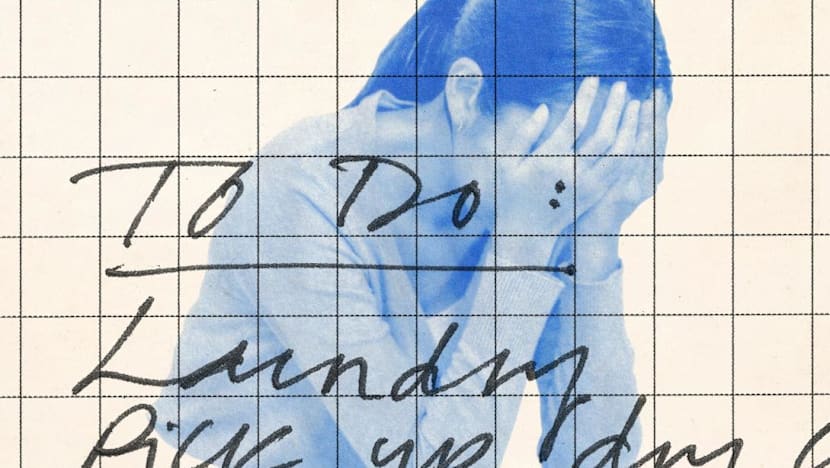
As the year draws to a close, many individuals experience heightened levels of stress due to various pressures, including holiday preparations and family dynamics. This phenomenon has led to the emergence of a term on social media: “functional freeze.” Although not an established psychological diagnosis, the concept has gained traction online, with numerous videos and discussions illuminating its meaning and implications.
The term “functional freeze” refers to a state of mind characterized by chronic stress that leaves individuals feeling as if they are merely going through the motions of life. A TikTok video featuring a therapist explaining this state has garnered over four million views, illustrating its widespread resonance. In the video, viewers expressed sentiments such as, “Finally I feel seen,” highlighting the growing acknowledgment of this experience.
Defining Functional Freeze
The meaning of “functional freeze” can differ based on individual interpretations. The phrase surged in popularity in 2024, attracting attention from reputable platforms such as Today.com, CNBC, and Forbes. Dave Boyd, a marriage and family therapist based in Olympia, Washington, first encountered the term when a client shared a video that resonated with her experiences. Initially skeptical, Boyd became intrigued and engaged with his client’s perspective on feeling overwhelmed in a high-stress environment.
Many social media users describe functional freeze as a blend of anxiety and fatigue, with some equating it to feelings of dissociation or emotional numbness. Clinical psychologist Janina Fisher notes that while “functional freeze” is not formally recognized in psychology, it offers individuals a valuable framework to articulate their experiences. She emphasizes that having terminology for such feelings grants people a sense of dignity in expressing their struggles.
Recognizing the Signs
Manifestations of functional freeze can vary widely. Social media posts depict individuals engaged in activities that appear mundane, such as scrolling through their phones or sitting in silence, often captured in moments of inertia. This behavior suggests a survival instinct, but unlike a fleeting reaction to immediate danger, functional freeze stems from sustained pressure and the need to cope with daily responsibilities.
Psychology expert George A. Bonanno from Teachers College at Columbia University explains that feelings of functional freeze may arise from being overwhelmed by life’s demands or from information overload. In a world inundated with distressing news and social media updates, individuals may feel a constant state of alertness, leading to emotional exhaustion.
Overcoming Functional Freeze
Addressing functional freeze requires self-reflection and a focus on underlying concerns. Experts recommend identifying specific stressors, whether related to work, personal life, or broader societal issues. Dr. Bonanno advises individuals to tackle these concerns incrementally, asking themselves if they are avoiding particular emotions or if they are getting adequate rest.
For those experiencing emotional numbness, Dr. Fisher suggests stimulating the autonomic nervous system through practices like meditation, yoga, or physical exercise. These activities can help individuals reconnect with their bodies and promote a sense of calm. In more persistent cases, consulting a mental health professional may be beneficial to explore underlying issues, as symptoms could indicate a diagnosable mental health condition.
Ultimately, individuals should remember their capacity for change. As Dr. Bonanno underscores, “You’re not helpless to change it.” Recognizing personal agency is crucial in navigating stress and moving beyond feelings of functional freeze. The ability to adapt and overcome adversity is a testament to human resilience, even in challenging times.
The growing discourse around functional freeze reflects a collective acknowledgment of mental health challenges, particularly during high-stress periods. As more people engage with this concept, it may serve as a catalyst for deeper conversations about emotional well-being and the importance of seeking support when needed.

India Unveils Long-Range Hypersonic Missile Amid Regional Tensions

SK bioscience Launches Global Trial for Universal Sarbecovirus Vaccine

Senegal Coach Pape Thiaw Suspended and Fined After Final Disruption

PAS Denies Abolishing Chairman Post, Contradicts Muhyiddin’s Claim

Mbappé Critiques Real Madrid’s Effort After Benfica Defeat

Thailand’s December Factory Output Surges 2.52% Year-on-Year

Ishita Dutta Reveals Her Parenting Secret: Strong Coffee

Older GPs Express Concerns Over New Digital Health Record Mandate

Urban Jurgensen: A 252-Year Legacy Enters a New Era

Regina Martinez Breaks New Ground for Mexico in Cross-Country Skiing

South Korea’s Foreign Minister Cho Hyun to Visit China This Week

Starling Bank Plans Secondary Share Sale, Targeting $5.4 Billion Valuation

Munsang College Celebrates 100 Years with Grand Ceremony

PAS Aims to Expand Parliamentary Influence in Upcoming Election

De Minaur Triumphs at Washington Open After Thrilling Comeback

Kenvue Dismisses CEO Thibaut Mongon as Strategic Review Advances

Humanism Camp Engages 250 Youths in Summer Fest 2025

Colombian Senator Miguel Uribe Shows Signs of Recovery After Attack
-
 Sports2 months ago
Regina Martinez Breaks New Ground for Mexico in Cross-Country Skiing
-
 World6 months ago
South Korea’s Foreign Minister Cho Hyun to Visit China This Week
-
 Business6 months ago
Starling Bank Plans Secondary Share Sale, Targeting $5.4 Billion Valuation
-
 Top Stories6 months ago
Munsang College Celebrates 100 Years with Grand Ceremony
-
 World6 months ago
PAS Aims to Expand Parliamentary Influence in Upcoming Election
-
 Sports8 months ago
De Minaur Triumphs at Washington Open After Thrilling Comeback
-
 Business8 months ago
Kenvue Dismisses CEO Thibaut Mongon as Strategic Review Advances
-
 Lifestyle8 months ago
Humanism Camp Engages 250 Youths in Summer Fest 2025
-
 Top Stories8 months ago
Colombian Senator Miguel Uribe Shows Signs of Recovery After Attack
-

 Sports8 months ago
Tupou and Daugunu Join First Nations Squad for Lions Clash
-

 World8 months ago
ASEAN Gears Up for Historic Joint Meeting of Foreign and Economic Ministers
-

 Health8 months ago
New Study Challenges Assumptions About Aging and Inflammation