
Health
Ministerial Instability Undermines Pakistan’s Healthcare System

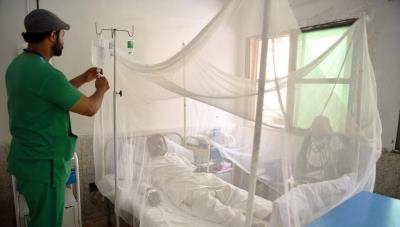
Frequent shifts in leadership have plunged Pakistan’s healthcare sector into a state of crisis, as reported on November 15, 2023, by Islam Khabar. Over the past decade, the country has faced a concerning rate of ministerial turnover in the health sector, which has severely hindered the implementation of effective policies and the provision of consistent medical services.
The report highlights that the primary challenge facing the healthcare system is not merely resource shortages or a lack of medical expertise, but rather the “absence of administrative continuity.” This instability has led to the discontinuation of essential public health programs and inconsistent funding allocations. Despite having a considerable pool of skilled doctors, nurses, and allied health professionals, their capacity to deliver quality care is consistently undermined by the changing governance framework.
Impact on Healthcare Delivery
Patients are experiencing the detrimental effects of this instability, characterized by long queues, delays in treatment, and varying quality of care. Vulnerable populations, including children, pregnant women, and those with chronic illnesses, are particularly affected. The report notes that immunisation campaigns are failing, with rural birthing centres often understaffed or lacking basic resources, leading to preventable maternal and infant deaths.
The fragmented leadership within the healthcare system has further exacerbated health emergencies. Outbreaks of diseases such as dengue, measles, and polio have been made worse by the inconsistent enforcement of health policies. Additionally, challenges linked to climate change are expected to widen existing disparities in rural healthcare.
As hospitals become increasingly burdened and rural health centres remain ill-equipped, millions of patients in Pakistan have been deprived of reliable healthcare over the past decade. The report emphasizes that “the human cost of this instability is immediate, tangible, and unforgiving,” suggesting that each change in ministerial leadership deepens the crisis.
The ongoing governance issues have not only damaged the healthcare system but have also raised concerns about the overall health of the population. The lack of coherent strategy and continuity in leadership is evident, and without significant reforms, the situation is unlikely to improve. The future of healthcare in Pakistan hinges on the establishment of stable governance that prioritizes effective policy implementation and the delivery of consistent services to all citizens.

India Unveils Long-Range Hypersonic Missile Amid Regional Tensions

SK bioscience Launches Global Trial for Universal Sarbecovirus Vaccine

Senegal Coach Pape Thiaw Suspended and Fined After Final Disruption

PAS Denies Abolishing Chairman Post, Contradicts Muhyiddin’s Claim

Mbappé Critiques Real Madrid’s Effort After Benfica Defeat

Thailand’s December Factory Output Surges 2.52% Year-on-Year

Ishita Dutta Reveals Her Parenting Secret: Strong Coffee

Older GPs Express Concerns Over New Digital Health Record Mandate

Urban Jurgensen: A 252-Year Legacy Enters a New Era

Regina Martinez Breaks New Ground for Mexico in Cross-Country Skiing

South Korea’s Foreign Minister Cho Hyun to Visit China This Week

Starling Bank Plans Secondary Share Sale, Targeting $5.4 Billion Valuation

Munsang College Celebrates 100 Years with Grand Ceremony

PAS Aims to Expand Parliamentary Influence in Upcoming Election

De Minaur Triumphs at Washington Open After Thrilling Comeback

Kenvue Dismisses CEO Thibaut Mongon as Strategic Review Advances

Humanism Camp Engages 250 Youths in Summer Fest 2025

Colombian Senator Miguel Uribe Shows Signs of Recovery After Attack
-
 Sports2 months ago
Regina Martinez Breaks New Ground for Mexico in Cross-Country Skiing
-
 World6 months ago
South Korea’s Foreign Minister Cho Hyun to Visit China This Week
-
 Business6 months ago
Starling Bank Plans Secondary Share Sale, Targeting $5.4 Billion Valuation
-
 Top Stories6 months ago
Munsang College Celebrates 100 Years with Grand Ceremony
-
 World6 months ago
PAS Aims to Expand Parliamentary Influence in Upcoming Election
-
 Sports8 months ago
De Minaur Triumphs at Washington Open After Thrilling Comeback
-
 Business8 months ago
Kenvue Dismisses CEO Thibaut Mongon as Strategic Review Advances
-
 Lifestyle8 months ago
Humanism Camp Engages 250 Youths in Summer Fest 2025
-
 Top Stories8 months ago
Colombian Senator Miguel Uribe Shows Signs of Recovery After Attack
-

 Sports8 months ago
Tupou and Daugunu Join First Nations Squad for Lions Clash
-
 World8 months ago
ASEAN Gears Up for Historic Joint Meeting of Foreign and Economic Ministers
-

 Health8 months ago
New Study Challenges Assumptions About Aging and Inflammation