
Health
Gujarat’s Mobile Health Units Serve Over 1.35 Million Residents

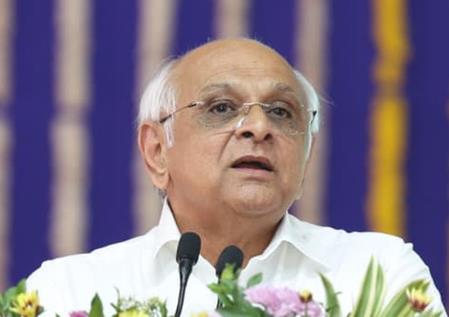
In Gujarat, more than 1.35 million people have accessed outpatient services through the state’s 137 mobile health units, which are crucial in providing healthcare to remote and underserved areas. The initiative, guided by Chief Minister Bhupendra Patel and led by Health Minister Praful Pansheriya, ensures that primary healthcare reaches the most isolated communities.
Mobile Health Units Transform Healthcare Access
The mobile health units are strategically deployed across Gujarat, with 102 operating as mobile health units and 35 as mobile medical units. These facilities cater to various geographic challenges, including 80 in tribal regions, 23 in salt-pan areas, 11 in deserts, four in forests, and 19 in general rural zones. Since their inception, these units have conducted over 5 lakh lab tests, provided antenatal care to more than 8,000 women, and identified over 1,000 high-risk pregnancies.
Each mobile unit is stationed at a Primary Health Centre (PHC) to facilitate seamless coordination and timely service delivery. Operations are guided by action plans created by PHC medical officers, Total Health Solutions, and Chief District Health Officers. This structured approach allows for reliable outreach tailored to the specific healthcare needs of local populations.
The mobile health-medical units are specialized vans equipped to deliver essential services to populations residing in areas where traditional healthcare access is limited. They provide basic outpatient consultations, medications, lab tests, antenatal care, screening for high-risk cases, and health education directly to communities. By following fixed routes, these units ensure that healthcare, particularly for vulnerable groups, is accessible at their doorsteps. This initiative effectively reduces treatment delays and strengthens last-mile healthcare access.
Enhancing Healthcare Infrastructure Across Gujarat
Gujarat boasts a robust healthcare system, combining an extensive public infrastructure with a rapid expansion of specialized services. The state’s healthcare network includes numerous primary health centres, community health centres, district hospitals, medical colleges, and super-specialty institutions. The government has prioritized last-mile delivery through initiatives like the Mobile Health-Medical Units, alongside emergency services and maternal and child health programs.
Urban areas such as Ahmedabad, Vadodara, and Surat feature advanced private hospitals and research facilities, while significant public institutions like the Gujarat Medical Education and Research Society and AIIMS Rajkot are bolstering tertiary care capabilities. Continuous investments in infrastructure, technology, disease surveillance, and workforce capacity ensure that Gujarat remains a model for accessible and efficient healthcare delivery.
Through these ongoing efforts, the state is enhancing healthcare access for millions, ultimately striving for a healthier population and improved quality of life for its residents. The success of the mobile health units underscores the importance of targeted healthcare strategies in overcoming geographical and socioeconomic barriers.

India Unveils Long-Range Hypersonic Missile Amid Regional Tensions

SK bioscience Launches Global Trial for Universal Sarbecovirus Vaccine

Senegal Coach Pape Thiaw Suspended and Fined After Final Disruption

PAS Denies Abolishing Chairman Post, Contradicts Muhyiddin’s Claim

Mbappé Critiques Real Madrid’s Effort After Benfica Defeat

Thailand’s December Factory Output Surges 2.52% Year-on-Year

Ishita Dutta Reveals Her Parenting Secret: Strong Coffee

Older GPs Express Concerns Over New Digital Health Record Mandate

Urban Jurgensen: A 252-Year Legacy Enters a New Era

Regina Martinez Breaks New Ground for Mexico in Cross-Country Skiing

South Korea’s Foreign Minister Cho Hyun to Visit China This Week

Starling Bank Plans Secondary Share Sale, Targeting $5.4 Billion Valuation

Munsang College Celebrates 100 Years with Grand Ceremony

PAS Aims to Expand Parliamentary Influence in Upcoming Election

De Minaur Triumphs at Washington Open After Thrilling Comeback

Kenvue Dismisses CEO Thibaut Mongon as Strategic Review Advances

Humanism Camp Engages 250 Youths in Summer Fest 2025

Colombian Senator Miguel Uribe Shows Signs of Recovery After Attack
-
 Sports2 months ago
Regina Martinez Breaks New Ground for Mexico in Cross-Country Skiing
-
 World6 months ago
South Korea’s Foreign Minister Cho Hyun to Visit China This Week
-
 Business6 months ago
Starling Bank Plans Secondary Share Sale, Targeting $5.4 Billion Valuation
-
 Top Stories6 months ago
Munsang College Celebrates 100 Years with Grand Ceremony
-
 World6 months ago
PAS Aims to Expand Parliamentary Influence in Upcoming Election
-
 Sports7 months ago
De Minaur Triumphs at Washington Open After Thrilling Comeback
-
 Business8 months ago
Kenvue Dismisses CEO Thibaut Mongon as Strategic Review Advances
-
 Lifestyle7 months ago
Humanism Camp Engages 250 Youths in Summer Fest 2025
-
 Top Stories8 months ago
Colombian Senator Miguel Uribe Shows Signs of Recovery After Attack
-

 Sports8 months ago
Tupou and Daugunu Join First Nations Squad for Lions Clash
-

 World8 months ago
ASEAN Gears Up for Historic Joint Meeting of Foreign and Economic Ministers
-

 Health7 months ago
New Study Challenges Assumptions About Aging and Inflammation