
Health
Debunking Myths: Understanding Women’s Health Issues Clearly

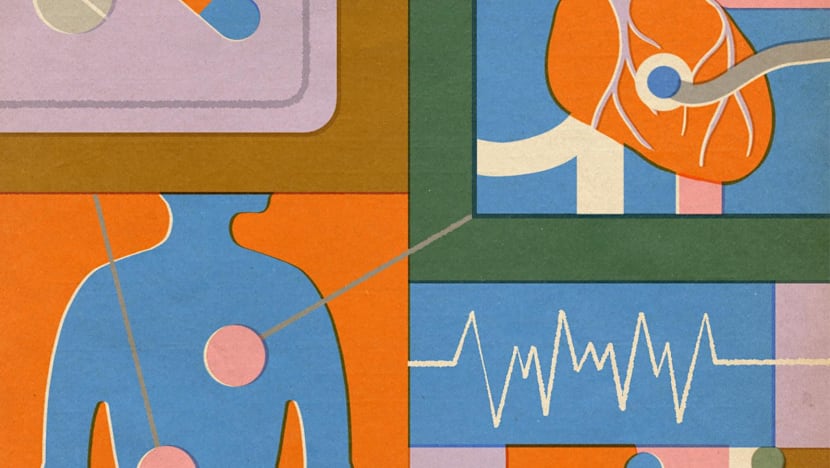
Women’s health remains an area that is often misunderstood and inadequately studied. While the term “women’s health” is frequently equated with obstetrics and gynecology, it encompasses far more, including conditions that affect women throughout their lives. Many medical professionals and patients alike lack awareness about how various health issues, such as sleep apnea and autoimmune diseases, manifest differently in women. In addition, misconceptions surrounding pregnancy and menopause abound, contributing to a broader misunderstanding of women’s health issues.
Heart Disease and Its Hidden Symptoms
Heart disease is the leading cause of death among women in the United States. Alarmingly, many women overlook the symptoms of a heart attack, often due to a perception that they are different from men’s experiences. Dr. Basmah Safdar, an emergency physician and director of Women’s Health Research at Yale School of Medicine, emphasizes that women frequently report symptoms such as discomfort, shortness of breath, and nausea, rather than the classic chest pain typically associated with heart attacks.
This difference in symptom presentation can lead to critical delays in treatment. Women can also experience heart attacks due to blockages in smaller vessels, issues with artery linings, or spasms, rather than just major artery blockages, which are more common in men.
Misunderstood Immune Responses and Menstrual Health
Another prevalent myth is that men’s and women’s immune systems function identically. According to Caroline Jefferies, director of the Center for Research in Women’s Health Science at Cedars-Sinai, women often exhibit a stronger immune response to viral infections, which may help in clearing infections more efficiently but can also lead to higher rates of autoimmune diseases. This heightened response is evident in the context of COVID-19, where women have lower mortality rates but are more susceptible to long COVID, linked to persistent inflammation.
Additionally, many women dismiss missed periods if they do not suspect pregnancy. Dr. Chrisandra Shufelt, a professor at the Mayo Clinic, warns that irregular cycles can indicate serious health issues such as thyroid dysfunction or polycystic ovary syndrome. These conditions can lead to long-term health effects if not addressed promptly.
Menopause and Its Implications
As women approach menopause, they often experience fluctuations in their menstrual cycles, leading to confusion about whether they have officially reached this stage of life. Dr. Karen Lu, physician in chief at the Moffitt Cancer Center, explains that abnormal bleeding after menopause is not normal and could indicate endometrial cancer. Early diagnosis is crucial, and women should seek medical advice if they experience any unexpected bleeding.
There is also a common misconception regarding medications during pregnancy. Dr. Sindhu Srinivas, a professor at the University of Pennsylvania, points out that while some medications can pose risks, many are safe and necessary for managing health conditions during pregnancy. It is vital that women engage in discussions with their healthcare providers to weigh the risks and benefits of continuing medications.
Long-Term Effects of Pregnancy Complications
Pregnancy complications such as gestational diabetes or hypertension do not vanish after childbirth. Dr. Tala Al-Talib, medical director at Johns Hopkins, states that these conditions can herald future health issues, including coronary artery disease and Type 2 diabetes. Women who experience pregnancy-related complications should continue to monitor their health with a specialist.
Prevalence of Incontinence and Research Gaps
Urinary incontinence is another area shrouded in misconception. Dr. Alison Huang, from the University of California, San Francisco, reveals that a significant number of women experience incontinence at some point, often stemming from childbirth or menopause. Many women believe it to be rare, which can hinder open discussions with healthcare providers. Fortunately, several treatment options exist, and lifestyle changes can often alleviate symptoms.
The historical exclusion of women from clinical trials has resulted in a lack of understanding regarding how diseases and medications affect women. Dr. Jefferies highlights that many guidelines, such as those for blood pressure medications, are based primarily on data from men. As a consequence, medical professionals may overlook symptoms unique to women, such as those associated with sleep apnea.
Empowering Women to Advocate for Their Health
Finally, a common myth is that doctors always have the answers. Many women report that their symptoms are dismissed, particularly in cases of chronic pain conditions like endometriosis. It is essential for women to advocate for their own health, seek second opinions, and trust their instincts when something feels off. Dr. Lu encourages women to “know your body” and recognize when to demand further investigation into their symptoms.
By addressing these misconceptions, women can take proactive steps towards better health, ensuring that their unique needs are acknowledged and met in the medical community.

India Unveils Long-Range Hypersonic Missile Amid Regional Tensions

SK bioscience Launches Global Trial for Universal Sarbecovirus Vaccine

Senegal Coach Pape Thiaw Suspended and Fined After Final Disruption

PAS Denies Abolishing Chairman Post, Contradicts Muhyiddin’s Claim

Mbappé Critiques Real Madrid’s Effort After Benfica Defeat

Thailand’s December Factory Output Surges 2.52% Year-on-Year

Ishita Dutta Reveals Her Parenting Secret: Strong Coffee

Older GPs Express Concerns Over New Digital Health Record Mandate

Urban Jurgensen: A 252-Year Legacy Enters a New Era

Regina Martinez Breaks New Ground for Mexico in Cross-Country Skiing

South Korea’s Foreign Minister Cho Hyun to Visit China This Week

Starling Bank Plans Secondary Share Sale, Targeting $5.4 Billion Valuation

Munsang College Celebrates 100 Years with Grand Ceremony

PAS Aims to Expand Parliamentary Influence in Upcoming Election

De Minaur Triumphs at Washington Open After Thrilling Comeback

Kenvue Dismisses CEO Thibaut Mongon as Strategic Review Advances

Humanism Camp Engages 250 Youths in Summer Fest 2025

Colombian Senator Miguel Uribe Shows Signs of Recovery After Attack
-
 Sports2 months ago
Regina Martinez Breaks New Ground for Mexico in Cross-Country Skiing
-
 World6 months ago
South Korea’s Foreign Minister Cho Hyun to Visit China This Week
-
 Business7 months ago
Starling Bank Plans Secondary Share Sale, Targeting $5.4 Billion Valuation
-
 Top Stories7 months ago
Munsang College Celebrates 100 Years with Grand Ceremony
-
 World6 months ago
PAS Aims to Expand Parliamentary Influence in Upcoming Election
-
 Sports8 months ago
De Minaur Triumphs at Washington Open After Thrilling Comeback
-
 Business8 months ago
Kenvue Dismisses CEO Thibaut Mongon as Strategic Review Advances
-
 Lifestyle8 months ago
Humanism Camp Engages 250 Youths in Summer Fest 2025
-
 Top Stories8 months ago
Colombian Senator Miguel Uribe Shows Signs of Recovery After Attack
-

 Sports8 months ago
Tupou and Daugunu Join First Nations Squad for Lions Clash
-

 World8 months ago
ASEAN Gears Up for Historic Joint Meeting of Foreign and Economic Ministers
-

 Health8 months ago
New Study Challenges Assumptions About Aging and Inflammation