
Health
Debunking 9 Common Myths About Women’s Health Issues

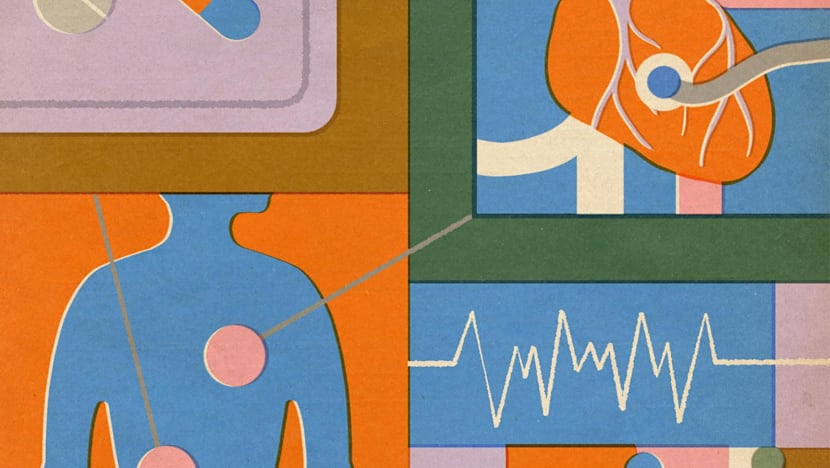
Women’s health continues to be a significantly under-researched and poorly understood area of medicine. The term “women’s health” is often narrowly defined, primarily associated with obstetrics and gynaecology. This limited focus overlooks the broader spectrum of health issues that affect women throughout their lives. As a result, many women, and even healthcare providers, remain unaware of how various conditions manifest in women compared to men.
In light of this, several medical experts have aimed to clarify persistent misconceptions surrounding women’s health. Here are nine common myths that deserve attention.
Heart Attack Symptoms Are Obvious
Heart disease is the leading cause of death among women in the United States. Yet, many women do not recognize the symptoms of a heart attack, often due to a male-centric understanding of the condition. Dr. Basmah Safdar, an emergency physician and director of Women’s Health Research at Yale School of Medicine, highlights that women often report symptoms such as discomfort, shortness of breath, nausea, and fatigue, rather than the classic chest pain typically associated with heart attacks. This discrepancy can lead to misdiagnosis and inadequate treatment.
Men’s and Women’s Immune Systems Are the Same
Women’s immune systems generally respond more vigorously to viral infections, which can be beneficial in fighting off acute illnesses. However, this heightened response can also lead to chronic health issues. According to Dr. Caroline Jefferies, scientific director of the Center for Research in Women’s Health Science at Cedars-Sinai, while women have a lower mortality rate from COVID-19, they are more likely to experience long COVID, conditions often linked to persistent inflammation.
Missed Periods Are Normal
Many women mistakenly overlook missed menstrual periods, assuming they are healthy if they are not pregnant. Dr. Chrisandra Shufelt, a professor at the Mayo Clinic, warns that an irregular cycle can indicate serious health issues, such as thyroid dysfunction or hormonal disorders like polycystic ovary syndrome. These conditions can have long-term consequences, including bone loss and increased risk of coronary artery disease.
Bleeding After Menopause Is Normal
For some women, the transition to menopause can be confusing, leading to the assumption that any bleeding is normal. Dr. Karen Lu, physician in chief at Moffitt Cancer Center, notes that abnormal bleeding post-menopause can be a sign of endometrial cancer. Women experiencing such symptoms should consult a healthcare professional to rule out serious conditions.
All Medications Are Dangerous During Pregnancy
While certain medications can be harmful to fetuses, many can be safely administered during pregnancy. Dr. Sindhu Srinivas, a professor at the University of Pennsylvania, emphasizes the importance of evaluating the risks of not taking necessary medications against potential harms. Discontinuing medications without medical advice can lead to serious health complications for both mothers and their unborn children.
Problems During Pregnancy Stay in Pregnancy
Complications such as gestational diabetes and pre-eclampsia may resolve after childbirth, but they can have lasting effects on a woman’s health. Dr. Tala Al-Talib, medical director at Johns Hopkins’s Green Spring Station cardiovascular clinic, states that pregnancy can reveal predispositions to conditions like coronary artery disease and strokes. Women with a history of pregnancy-related complications should seek ongoing medical care to manage their long-term health risks.
Incontinence Is Uncommon
Urinary incontinence affects a significant number of women, yet many perceive it as a rare issue. Dr. Alison Huang, director of the Women’s Health Clinical Research Center at the University of California, San Francisco, asserts that incontinence can arise from various factors, including menopause and childbirth. Effective treatments exist, but women often shy away from discussing this common problem due to embarrassment.
Diseases and Drugs Have Been Well Studied in Women
Historically, women have been underrepresented in clinical research, leading to a lack of understanding about how diseases and treatments affect them. For instance, many guidelines for treating conditions like hypertension have been developed primarily based on male data. Dr. Jefferies points out that this gap in research means that conditions such as sleep apnoea may present differently in women, and doctors may not recognize these symptoms.
The Doctor Always Knows Best
While healthcare providers play a crucial role in patient care, women’s symptoms are sometimes dismissed or misinterpreted. Many women with chronic conditions, such as migraines or endometriosis, report feeling that their pain is not taken seriously. Experts encourage women to advocate for themselves, seek second opinions, and trust their instincts when something feels amiss. “Know your body,” advises Dr. Lu.
Addressing these myths can empower women to take control of their health. By fostering awareness and understanding, both women and healthcare providers can work together to ensure better health outcomes.

India Unveils Long-Range Hypersonic Missile Amid Regional Tensions

SK bioscience Launches Global Trial for Universal Sarbecovirus Vaccine

Senegal Coach Pape Thiaw Suspended and Fined After Final Disruption

PAS Denies Abolishing Chairman Post, Contradicts Muhyiddin’s Claim

Mbappé Critiques Real Madrid’s Effort After Benfica Defeat

Thailand’s December Factory Output Surges 2.52% Year-on-Year

Ishita Dutta Reveals Her Parenting Secret: Strong Coffee

Older GPs Express Concerns Over New Digital Health Record Mandate

Urban Jurgensen: A 252-Year Legacy Enters a New Era

Regina Martinez Breaks New Ground for Mexico in Cross-Country Skiing

South Korea’s Foreign Minister Cho Hyun to Visit China This Week

Starling Bank Plans Secondary Share Sale, Targeting $5.4 Billion Valuation

Munsang College Celebrates 100 Years with Grand Ceremony

PAS Aims to Expand Parliamentary Influence in Upcoming Election

De Minaur Triumphs at Washington Open After Thrilling Comeback

Kenvue Dismisses CEO Thibaut Mongon as Strategic Review Advances

Humanism Camp Engages 250 Youths in Summer Fest 2025

Colombian Senator Miguel Uribe Shows Signs of Recovery After Attack
-
 Sports1 month ago
Regina Martinez Breaks New Ground for Mexico in Cross-Country Skiing
-
 World6 months ago
South Korea’s Foreign Minister Cho Hyun to Visit China This Week
-
 Business6 months ago
Starling Bank Plans Secondary Share Sale, Targeting $5.4 Billion Valuation
-
 Top Stories6 months ago
Munsang College Celebrates 100 Years with Grand Ceremony
-
 World6 months ago
PAS Aims to Expand Parliamentary Influence in Upcoming Election
-
 Sports7 months ago
De Minaur Triumphs at Washington Open After Thrilling Comeback
-
 Business8 months ago
Kenvue Dismisses CEO Thibaut Mongon as Strategic Review Advances
-
 Lifestyle7 months ago
Humanism Camp Engages 250 Youths in Summer Fest 2025
-
 Top Stories8 months ago
Colombian Senator Miguel Uribe Shows Signs of Recovery After Attack
-

 Sports8 months ago
Tupou and Daugunu Join First Nations Squad for Lions Clash
-

 World8 months ago
ASEAN Gears Up for Historic Joint Meeting of Foreign and Economic Ministers
-

 Health7 months ago
New Study Challenges Assumptions About Aging and Inflammation