
Entertainment
Musk and O’Leary Clash Over Starlink’s Role in Aviation

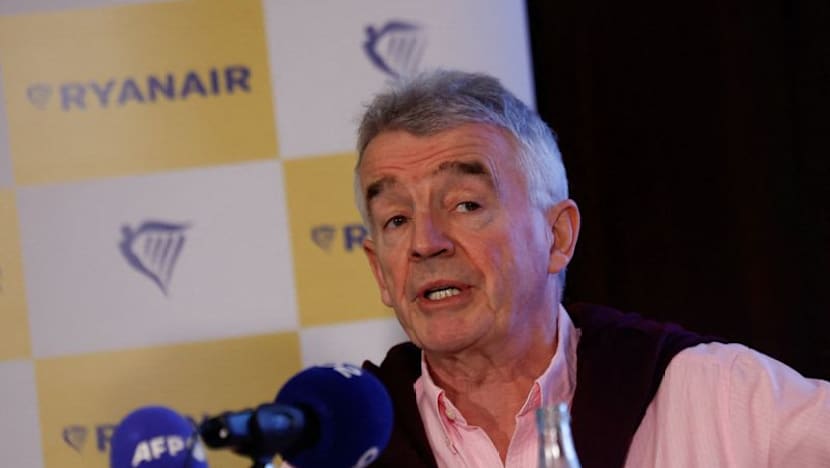
A heated exchange between Elon Musk and Michael O’Leary, the CEO of Ryanair, has reignited discussions about the necessity and cost of in-flight internet services. The debate centers on the viability of Starlink, Musk’s satellite WiFi offering, particularly as airlines assess whether it is essential for their operations or merely an expensive luxury.
O’Leary recently criticized the idea of integrating Starlink’s service into Ryanair’s fleet of over 600 aircraft, arguing that the additional costs would not be justified. He stated, “Our experience, sadly, tells us we think less than 10 percent of our passengers would pay for this access.” This skepticism highlights the divergent strategies between low-cost carriers and full-service airlines in the current aviation landscape.
Changing Landscape in Airline Connectivity
The demand for reliable in-flight internet has surged, especially among long-haul carriers aiming to attract premium travelers. For airlines like British Airways, WiFi has become a staple offering, crucial for maintaining a competitive edge. The pandemic has further intensified this trend, with increased expectations for connectivity during travel.
Full-service airlines such as Lufthansa, SAS, and Virgin Atlantic have recently adopted Starlink or other competitors’ services, recognizing that high-speed internet is now a fundamental part of the travel experience. Ben Smith, CEO of Air France-KLM, emphasized that “if you want to attract American customers, you have no choice but to have high-speed Wi-Fi. None. It’s almost like a hotel.”
Analysts point out that Starlink’s lower-orbit satellites offer significant advantages, including reduced latency and the ability to support uninterrupted video calls and streaming. This capability positions Starlink as a leader in the satellite internet market for aviation, according to industry experts.
The Financial Considerations for Airlines
Despite the advantages, the financial implications of adopting Starlink are significant. According to David Whelan from Valour Consultancy, the cost for implementing Starlink can reach approximately $170,000 per aircraft, before considering additional hardware and installation expenses. For long-haul carriers, this expense can be absorbed as part of a “freemium” strategy, where premium passengers receive complimentary access, while others are encouraged to join loyalty programs.
In stark contrast, the situation for budget airlines like Ryanair is markedly different. O’Leary has voiced concerns that the added weight of WiFi antennas would increase aerodynamic drag, consequently raising fuel costs. He stated, “The only way we can see Starlink working on board our aircraft on short-haul flights is if you give it away for free.”
Musk’s response on social media referred to O’Leary as an “utter idiot” for his refusal to consider the service. This personal conflict underscores a larger issue within the aviation industry regarding the balance of cost and consumer expectations.
As the airline industry continues to evolve, the question of in-flight connectivity remains pivotal. The divide between full-service and low-cost carriers highlights differing priorities and strategies, shaping the future of passenger experience at 30,000 feet.

India Unveils Long-Range Hypersonic Missile Amid Regional Tensions

SK bioscience Launches Global Trial for Universal Sarbecovirus Vaccine

Senegal Coach Pape Thiaw Suspended and Fined After Final Disruption

PAS Denies Abolishing Chairman Post, Contradicts Muhyiddin’s Claim

Mbappé Critiques Real Madrid’s Effort After Benfica Defeat

Thailand’s December Factory Output Surges 2.52% Year-on-Year

Ishita Dutta Reveals Her Parenting Secret: Strong Coffee

Older GPs Express Concerns Over New Digital Health Record Mandate

Urban Jurgensen: A 252-Year Legacy Enters a New Era

Regina Martinez Breaks New Ground for Mexico in Cross-Country Skiing

South Korea’s Foreign Minister Cho Hyun to Visit China This Week

Starling Bank Plans Secondary Share Sale, Targeting $5.4 Billion Valuation

Munsang College Celebrates 100 Years with Grand Ceremony

PAS Aims to Expand Parliamentary Influence in Upcoming Election

De Minaur Triumphs at Washington Open After Thrilling Comeback

Kenvue Dismisses CEO Thibaut Mongon as Strategic Review Advances

Humanism Camp Engages 250 Youths in Summer Fest 2025

Colombian Senator Miguel Uribe Shows Signs of Recovery After Attack
-
 Sports2 months ago
Regina Martinez Breaks New Ground for Mexico in Cross-Country Skiing
-
 World6 months ago
South Korea’s Foreign Minister Cho Hyun to Visit China This Week
-
 Business6 months ago
Starling Bank Plans Secondary Share Sale, Targeting $5.4 Billion Valuation
-
 Top Stories6 months ago
Munsang College Celebrates 100 Years with Grand Ceremony
-
 World6 months ago
PAS Aims to Expand Parliamentary Influence in Upcoming Election
-
 Sports8 months ago
De Minaur Triumphs at Washington Open After Thrilling Comeback
-
 Business8 months ago
Kenvue Dismisses CEO Thibaut Mongon as Strategic Review Advances
-
 Lifestyle8 months ago
Humanism Camp Engages 250 Youths in Summer Fest 2025
-
 Top Stories8 months ago
Colombian Senator Miguel Uribe Shows Signs of Recovery After Attack
-

 Sports8 months ago
Tupou and Daugunu Join First Nations Squad for Lions Clash
-

 World8 months ago
ASEAN Gears Up for Historic Joint Meeting of Foreign and Economic Ministers
-

 Health8 months ago
New Study Challenges Assumptions About Aging and Inflammation