
Business
Yen Weakens on Election and Trade Concerns; Aussie Dollar Dips

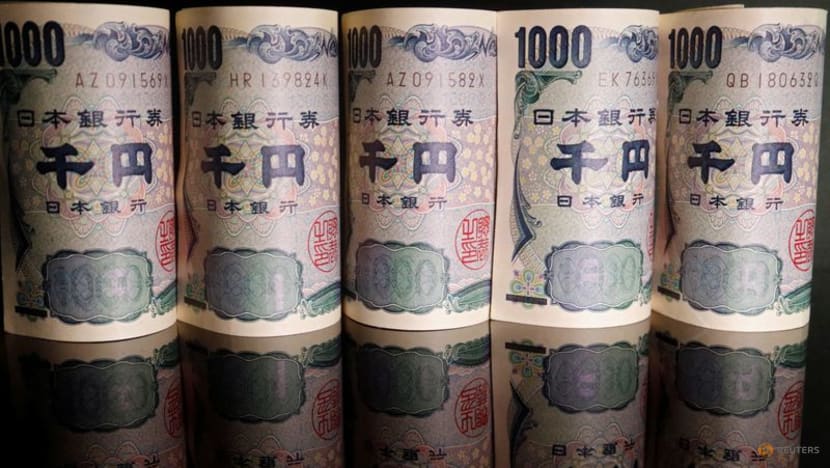
The Japanese yen experienced a significant decline on Thursday as concerns about an imminent election and a stalled trade agreement with the United States weighed heavily on the currency. The yen traded close to its lowest level against the euro in nearly a year, reflecting unease over the potential loss of parliamentary majority for Prime Minister Shigeru Ishiba’s coalition.
As polls indicated that Ishiba’s party might struggle in the upcoming upper house election, the yen fell 0.4 percent to 148.48 against the U.S. dollar. This decline followed a brief 0.7 percent recovery the previous session. The Japanese currency also weakened against the euro, dropping 0.3 percent to 172.51, after hitting its lowest point since July 12, 2024.
In the background, the U.S. dollar managed a modest recovery after President Donald Trump dismissed rumors of firing Federal Reserve Chair Jerome Powell. This recovery came as investors remained concerned about the implications of such a move on the U.S. financial system.
Trade Negotiations and Economic Data Impact Yen
Japan’s leading trade negotiator, Ryosei Akazawa, engaged in a 45-minute phone discussion with U.S. Commerce Secretary Howard Lutnick regarding tariffs. The conversation follows a disappointing trend in Japan’s export data, with shipments down for the second consecutive month, falling by 0.5 percent in June compared to the previous year.
The situation is exacerbated by a looming August 1 deadline, when many trading partners face increased tariffs if an agreement is not reached. Japan had previously failed to secure a deal with the U.S. by the July 9 expiration of the temporary tariff pause. Currently, the U.S. maintains a 25 percent tariff on Japanese goods, and Trump has indicated that these tariffs will remain unless a satisfactory trade deal is established.
Domestic media reports suggested that Ishiba is preparing to meet with U.S. Treasury Secretary Scott Bessent in Tokyo on Friday to discuss trade relations further. The outcome of the election on Sunday will likely influence governmental economic policy, potentially leading to increased calls for spending and tax reductions amidst an uncertain economic landscape.
Australian Dollar Slides on Weak Job Data
Meanwhile, the Australian dollar faced downward pressure after employment data fell short of expectations. The currency traded at $0.6478, a decrease of 0.8 percent, as unemployment rates reached levels not seen since late 2021. The disappointing jobs report contributed to the bearish sentiment surrounding the Australian economy.
In the broader foreign exchange market, the U.S. dollar index rose by 0.2 percent to 98.503, recovering from a previous decline. The euro traded at $1.1620, down 0.2 percent, while the British pound slipped 0.2 percent to $1.3395.
The fluctuations in the yen and the Australian dollar highlight the interconnected nature of global economies, where political events and economic data can swiftly alter currency values. Investors will be closely monitoring the results of the Japanese elections and further developments in trade negotiations with the United States in the coming days.

India Unveils Long-Range Hypersonic Missile Amid Regional Tensions

SK bioscience Launches Global Trial for Universal Sarbecovirus Vaccine

Senegal Coach Pape Thiaw Suspended and Fined After Final Disruption

PAS Denies Abolishing Chairman Post, Contradicts Muhyiddin’s Claim

Mbappé Critiques Real Madrid’s Effort After Benfica Defeat

Thailand’s December Factory Output Surges 2.52% Year-on-Year

Ishita Dutta Reveals Her Parenting Secret: Strong Coffee

Older GPs Express Concerns Over New Digital Health Record Mandate

Urban Jurgensen: A 252-Year Legacy Enters a New Era

Regina Martinez Breaks New Ground for Mexico in Cross-Country Skiing

South Korea’s Foreign Minister Cho Hyun to Visit China This Week

Starling Bank Plans Secondary Share Sale, Targeting $5.4 Billion Valuation

Munsang College Celebrates 100 Years with Grand Ceremony

PAS Aims to Expand Parliamentary Influence in Upcoming Election

De Minaur Triumphs at Washington Open After Thrilling Comeback

Kenvue Dismisses CEO Thibaut Mongon as Strategic Review Advances

Humanism Camp Engages 250 Youths in Summer Fest 2025

Colombian Senator Miguel Uribe Shows Signs of Recovery After Attack
-
 Sports2 months ago
Regina Martinez Breaks New Ground for Mexico in Cross-Country Skiing
-
 World6 months ago
South Korea’s Foreign Minister Cho Hyun to Visit China This Week
-
 Business6 months ago
Starling Bank Plans Secondary Share Sale, Targeting $5.4 Billion Valuation
-
 Top Stories6 months ago
Munsang College Celebrates 100 Years with Grand Ceremony
-
 World6 months ago
PAS Aims to Expand Parliamentary Influence in Upcoming Election
-
 Sports8 months ago
De Minaur Triumphs at Washington Open After Thrilling Comeback
-
 Business8 months ago
Kenvue Dismisses CEO Thibaut Mongon as Strategic Review Advances
-
 Lifestyle8 months ago
Humanism Camp Engages 250 Youths in Summer Fest 2025
-
 Top Stories8 months ago
Colombian Senator Miguel Uribe Shows Signs of Recovery After Attack
-

 Sports8 months ago
Tupou and Daugunu Join First Nations Squad for Lions Clash
-

 World8 months ago
ASEAN Gears Up for Historic Joint Meeting of Foreign and Economic Ministers
-

 Health8 months ago
New Study Challenges Assumptions About Aging and Inflammation