
Business
Yen Gains Momentum After Japanese Election; US Dollar Declines

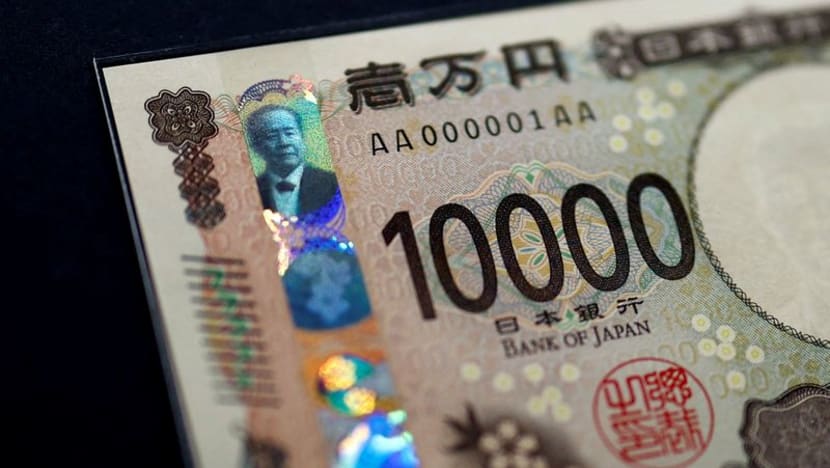
The Japanese yen experienced a notable rise on Monday following significant electoral results in Japan. The ruling coalition lost its majority in the upper house, a development that many analysts had anticipated. This shift in political power contributed to a broader advance of the yen, while the US dollar faced a decline as investors prepared for potential turbulence related to upcoming U.S. tariff negotiations.
Japanese markets were closed for a public holiday, which limited immediate reactions within the country. Nevertheless, the implications of the election results were felt internationally. The yen’s advance was particularly pronounced against major currencies, signaling market participants’ confidence in the Japanese economy despite the political shift.
Market Reactions and Economic Implications
Investors seem to have factored the election outcome into their strategies prior to the announcement. The yen’s strength can be attributed to a mix of political uncertainty and economic resilience. The ruling coalition’s loss suggests a potential shift toward a more balanced approach in governance, which may influence future economic policies. Analysts are closely monitoring how this political change might affect Japan’s economic landscape, particularly regarding fiscal and monetary policies.
Simultaneously, the US dollar’s decline has raised concerns among investors, especially with the looming deadline for U.S. tariff negotiations. The potential for renewed market volatility is significant as stakeholders await clarity on trade policies. The interaction between these two currencies reflects broader economic sentiments and the interconnectedness of global markets.
Future Prospects for the Yen and US Dollar
As the political landscape in Japan evolves, the yen’s trajectory will likely depend on both domestic economic performance and international trade relations. Analysts suggest that a stable political environment could bolster investor confidence, potentially leading to further gains for the yen. Conversely, any uncertainties surrounding U.S. tariff negotiations may continue to exert pressure on the US dollar.
In summary, the yen’s broad advance following the Japanese election results signifies a complex interplay of political and economic factors. Investors are keenly aware of the implications for both currencies as they navigate the evolving landscape in Japan and the broader global economy. The coming weeks will be crucial for determining how these dynamics unfold and what they mean for international financial markets.

India Unveils Long-Range Hypersonic Missile Amid Regional Tensions

SK bioscience Launches Global Trial for Universal Sarbecovirus Vaccine

Senegal Coach Pape Thiaw Suspended and Fined After Final Disruption

PAS Denies Abolishing Chairman Post, Contradicts Muhyiddin’s Claim

Mbappé Critiques Real Madrid’s Effort After Benfica Defeat

Thailand’s December Factory Output Surges 2.52% Year-on-Year

Ishita Dutta Reveals Her Parenting Secret: Strong Coffee

Older GPs Express Concerns Over New Digital Health Record Mandate

Urban Jurgensen: A 252-Year Legacy Enters a New Era

Regina Martinez Breaks New Ground for Mexico in Cross-Country Skiing

South Korea’s Foreign Minister Cho Hyun to Visit China This Week

Starling Bank Plans Secondary Share Sale, Targeting $5.4 Billion Valuation

Munsang College Celebrates 100 Years with Grand Ceremony

PAS Aims to Expand Parliamentary Influence in Upcoming Election

De Minaur Triumphs at Washington Open After Thrilling Comeback

Kenvue Dismisses CEO Thibaut Mongon as Strategic Review Advances

Humanism Camp Engages 250 Youths in Summer Fest 2025

Colombian Senator Miguel Uribe Shows Signs of Recovery After Attack
-
 Sports2 months ago
Regina Martinez Breaks New Ground for Mexico in Cross-Country Skiing
-
 World6 months ago
South Korea’s Foreign Minister Cho Hyun to Visit China This Week
-
 Business7 months ago
Starling Bank Plans Secondary Share Sale, Targeting $5.4 Billion Valuation
-
 Top Stories7 months ago
Munsang College Celebrates 100 Years with Grand Ceremony
-
 World6 months ago
PAS Aims to Expand Parliamentary Influence in Upcoming Election
-
 Sports8 months ago
De Minaur Triumphs at Washington Open After Thrilling Comeback
-
 Business8 months ago
Kenvue Dismisses CEO Thibaut Mongon as Strategic Review Advances
-
 Lifestyle8 months ago
Humanism Camp Engages 250 Youths in Summer Fest 2025
-
 Top Stories9 months ago
Colombian Senator Miguel Uribe Shows Signs of Recovery After Attack
-

 Sports8 months ago
Tupou and Daugunu Join First Nations Squad for Lions Clash
-

 World8 months ago
ASEAN Gears Up for Historic Joint Meeting of Foreign and Economic Ministers
-

 Health8 months ago
New Study Challenges Assumptions About Aging and Inflammation