
Business
Yen Experiences Volatility as Dollar Faces Sharp Weekly Decline

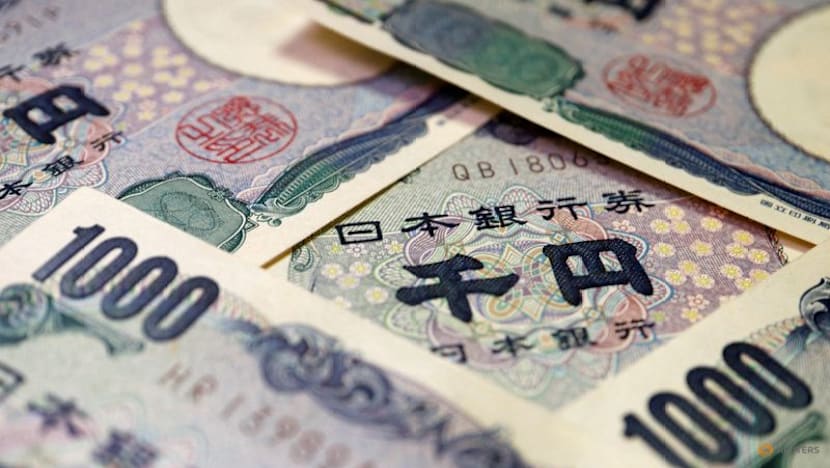
The Japanese yen exhibited significant volatility on January 23, 2024, as market speculation intensified regarding a potential rate check by authorities. This development coincided with a notable decline in the U.S. dollar, which is poised for its steepest weekly drop since June 2023, driven by geopolitical tensions that have unsettled investors globally.
Yen Fluctuates Amid Market Speculation
The yen strengthened to 158.215 per dollar after reaching a soft point of 159.2, close to an 18-month low, during a press conference held by Kazuo Ueda, Governor of the Bank of Japan. Following the bank’s decision to maintain interest rates, traders observed a sudden rebound in the yen’s value, which fell briefly to 157.3 per dollar.
Market participants are closely monitoring the possibility of intervention by Japanese authorities to address the yen’s decline. Reports suggest that while direct intervention may not have occurred, a rate check—an inquiry regarding potential intervention pricing—was likely conducted. Jonas Goltermann, Deputy Chief Markets Economist at Capital Economics, remarked, “I don’t think it was intervention because it doesn’t match the pattern that we’ve seen when they have gone for it. Typically, you get a very big move down in dollar-yen.”
The pressure on the yen has escalated since Sanae Takaichi assumed office as Prime Minister in October 2023. The currency has depreciated over 4 percent due to growing fiscal concerns, hovering at levels that have prompted warnings and fears of intervention from authorities. A recent bond market rout has further highlighted investor anxiety regarding Japan’s fiscal stability, especially as Takaichi announced a snap election for February 2024 and proposed tax cuts, leading to record high yields on Japanese government bonds.
Geopolitical Tensions Impact Dollar Value
Broader geopolitical developments have also influenced market sentiment, contributing to a decline in the U.S. dollar. U.S. President Donald Trump announced a deal with NATO that secures U.S. access to Greenland, while simultaneously easing tariff threats against Europe. This resulted in increased volatility in currency markets, triggering discussions about a ‘Sell America’ strategy reminiscent of previous market reactions to Trump’s administration.
The dollar index, which gauges the U.S. currency against six others, stood at 98.225, showing slight weakening. It is on track for a decline of approximately 1 percent this week, marking the most significant drop since June 2023. Meanwhile, the euro was slightly lower at $1.1752 but is set for a weekly gain exceeding 1 percent.
In the United Kingdom, the currency was last valued at $1.355. Data released on the same day indicated an unexpected rise in UK retail sales for December, although this development had limited impact on the pound.
As investors navigate these uncertain waters, market dynamics continue to evolve rapidly, influenced by both domestic policies and international relations.

India Unveils Long-Range Hypersonic Missile Amid Regional Tensions

SK bioscience Launches Global Trial for Universal Sarbecovirus Vaccine

Senegal Coach Pape Thiaw Suspended and Fined After Final Disruption

PAS Denies Abolishing Chairman Post, Contradicts Muhyiddin’s Claim

Mbappé Critiques Real Madrid’s Effort After Benfica Defeat

Thailand’s December Factory Output Surges 2.52% Year-on-Year

Ishita Dutta Reveals Her Parenting Secret: Strong Coffee

Older GPs Express Concerns Over New Digital Health Record Mandate

Urban Jurgensen: A 252-Year Legacy Enters a New Era

Regina Martinez Breaks New Ground for Mexico in Cross-Country Skiing

South Korea’s Foreign Minister Cho Hyun to Visit China This Week

Starling Bank Plans Secondary Share Sale, Targeting $5.4 Billion Valuation

Munsang College Celebrates 100 Years with Grand Ceremony

PAS Aims to Expand Parliamentary Influence in Upcoming Election

De Minaur Triumphs at Washington Open After Thrilling Comeback

Kenvue Dismisses CEO Thibaut Mongon as Strategic Review Advances

Humanism Camp Engages 250 Youths in Summer Fest 2025

Colombian Senator Miguel Uribe Shows Signs of Recovery After Attack
-
 Sports2 months ago
Regina Martinez Breaks New Ground for Mexico in Cross-Country Skiing
-
 World6 months ago
South Korea’s Foreign Minister Cho Hyun to Visit China This Week
-
 Business6 months ago
Starling Bank Plans Secondary Share Sale, Targeting $5.4 Billion Valuation
-
 Top Stories6 months ago
Munsang College Celebrates 100 Years with Grand Ceremony
-
 World6 months ago
PAS Aims to Expand Parliamentary Influence in Upcoming Election
-
 Sports8 months ago
De Minaur Triumphs at Washington Open After Thrilling Comeback
-
 Business8 months ago
Kenvue Dismisses CEO Thibaut Mongon as Strategic Review Advances
-
 Lifestyle8 months ago
Humanism Camp Engages 250 Youths in Summer Fest 2025
-
 Top Stories8 months ago
Colombian Senator Miguel Uribe Shows Signs of Recovery After Attack
-

 Sports8 months ago
Tupou and Daugunu Join First Nations Squad for Lions Clash
-
 World8 months ago
ASEAN Gears Up for Historic Joint Meeting of Foreign and Economic Ministers
-

 Health8 months ago
New Study Challenges Assumptions About Aging and Inflammation