
Business
Thai Industrial Sentiment Hits 3-Year Low Amid U.S. Tariffs

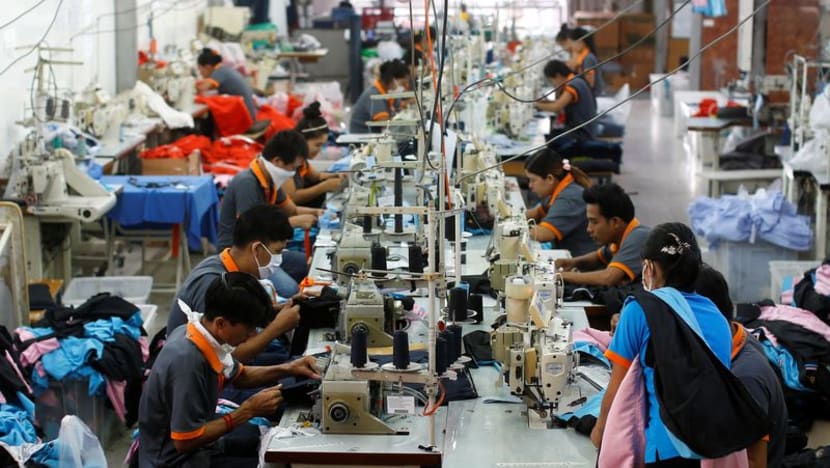
Thailand’s industrial sentiment has declined for the fifth consecutive month, reaching a three-year low in July 2025, primarily due to concerns surrounding U.S. tariffs and ongoing border conflicts with Cambodia. The Federation of Thai Industries (FTI) reported a drop in its industrial sentiment index to 86.6, down from 87.7 in June. This decline reflects worries about the economic landscape and its impact on various sectors.
The survey conducted by the FTI was completed prior to the announcement of new tariffs on Thai imports set at 19 percent. While this reduction from a previous 36 percent tariff was anticipated, uncertainty remains regarding tariffs on transshipments through Thailand from third countries. According to FTI chairman Kriengkrai Theinnukul, the marginal relief provided by the new rates is insufficient for low-margin industries such as processed foods and agricultural products, which continue to face significant challenges.
“These sectors have margins below 10 percent,” Theinnukul stated during a news conference. “They can’t pass on higher costs to consumers. They may not survive for much longer. We hope the government will quickly support them with credit.” The United States is Thailand’s largest export market, accounting for 18.3 percent of total shipments last year, valued at approximately $55 billion.
Factors Affecting Industrial Sentiment
The FTI also highlighted other factors contributing to the decline in industrial sentiment, including severe flooding in northern Thailand and a general weakening of consumer purchasing power. The ongoing border conflict with Cambodia has disrupted trade, further complicating the situation for the agricultural sector, which has been adversely affected by the exodus of Cambodian workers from Thailand.
“We’re aware of short-term impacts, particularly in agriculture, where farmers are struggling to find workers during harvest season,” Theinnukul emphasized. “The government needs to intervene and provide immediate support.”
In a separate development, the Thai cabinet approved a draft law aimed at establishing a national credit guarantee agency designed to assist smaller firms in securing loans. The Bank of Thailand expressed concern regarding the growing levels of bad debt and declining credit available to small businesses. Overall bank lending decreased by 0.9 percent on an annual basis in the second quarter of 2025, with loans to small firms experiencing a significant drop of 6.2 percent.
The current economic climate poses serious challenges for Thailand’s industrial sector and underscores the necessity for timely government intervention to support vulnerable industries and ensure sustainable economic growth.

India Unveils Long-Range Hypersonic Missile Amid Regional Tensions

SK bioscience Launches Global Trial for Universal Sarbecovirus Vaccine

Senegal Coach Pape Thiaw Suspended and Fined After Final Disruption

PAS Denies Abolishing Chairman Post, Contradicts Muhyiddin’s Claim

Mbappé Critiques Real Madrid’s Effort After Benfica Defeat

Thailand’s December Factory Output Surges 2.52% Year-on-Year

Ishita Dutta Reveals Her Parenting Secret: Strong Coffee

Older GPs Express Concerns Over New Digital Health Record Mandate

Urban Jurgensen: A 252-Year Legacy Enters a New Era

Regina Martinez Breaks New Ground for Mexico in Cross-Country Skiing

South Korea’s Foreign Minister Cho Hyun to Visit China This Week

Starling Bank Plans Secondary Share Sale, Targeting $5.4 Billion Valuation

Munsang College Celebrates 100 Years with Grand Ceremony

PAS Aims to Expand Parliamentary Influence in Upcoming Election

De Minaur Triumphs at Washington Open After Thrilling Comeback

Kenvue Dismisses CEO Thibaut Mongon as Strategic Review Advances

Humanism Camp Engages 250 Youths in Summer Fest 2025

Colombian Senator Miguel Uribe Shows Signs of Recovery After Attack
-
 Sports2 months ago
Regina Martinez Breaks New Ground for Mexico in Cross-Country Skiing
-
 World6 months ago
South Korea’s Foreign Minister Cho Hyun to Visit China This Week
-
 Business6 months ago
Starling Bank Plans Secondary Share Sale, Targeting $5.4 Billion Valuation
-
 Top Stories6 months ago
Munsang College Celebrates 100 Years with Grand Ceremony
-
 World6 months ago
PAS Aims to Expand Parliamentary Influence in Upcoming Election
-
 Sports8 months ago
De Minaur Triumphs at Washington Open After Thrilling Comeback
-
 Business8 months ago
Kenvue Dismisses CEO Thibaut Mongon as Strategic Review Advances
-
 Lifestyle8 months ago
Humanism Camp Engages 250 Youths in Summer Fest 2025
-
 Top Stories8 months ago
Colombian Senator Miguel Uribe Shows Signs of Recovery After Attack
-

 Sports8 months ago
Tupou and Daugunu Join First Nations Squad for Lions Clash
-
 World8 months ago
ASEAN Gears Up for Historic Joint Meeting of Foreign and Economic Ministers
-

 Health8 months ago
New Study Challenges Assumptions About Aging and Inflammation