
Business
Taiwan Enforces EIA for All Carbon Storage Projects

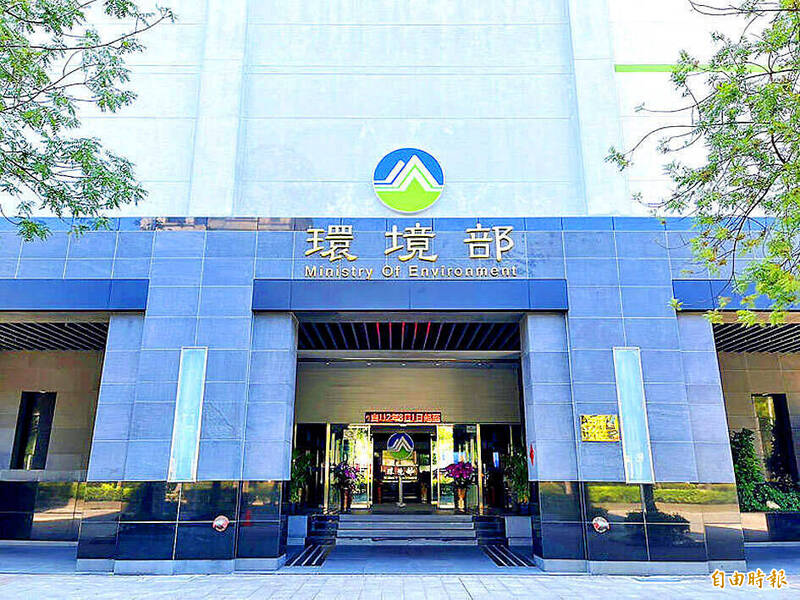
The Ministry of Environment in Taiwan has announced a new requirement mandating all carbon storage projects to undergo an environmental impact assessment (EIA), regardless of their size. This decision marks a significant step in the nation’s commitment to environmental protection and greenhouse gas reduction.
On Friday, the ministry revealed draft amendments to relevant articles of the Standards for Determining Specific Items and Scope of Environmental Impact Assessments for Development Activities. These revisions align with changes made to Article 5 of the Environmental Impact Assessment Act, which was recently approved by the legislature and promulgated by President William Lai last month.
The amendments specifically address Articles 29, 42, and 46 of the existing standards. Notably, Article 42 now includes carbon storage as a construction project type that must undergo EIA review. This inclusion stems from growing concerns about the potential environmental impacts associated with carbon storage, including leakage, groundwater contamination, and geological safety risks.
Hsu Su-chih, Director-General of the Department of Environmental Protection, emphasized the importance of carbon capture and storage technologies in achieving the nation’s greenhouse gas reduction targets. She noted that these technologies have been integrated into flagship carbon reduction projects across six major sectors. Hsu stated, “Given that carbon storage could result in environmental impacts, EIA reviews are indispensable to preventing adverse impacts caused by such development behaviors.”
The ministry’s move ensures that carbon storage initiatives will be thoroughly evaluated for their environmental implications, reinforcing the government’s proactive stance on climate change and sustainability.
In addition to the EIA requirements, the Ministry of Environment also announced revisions to its List of Industries Required to Conduct Inventory and Registration of Greenhouse Gas Emissions. Starting next year, more than 460 additional businesses or entities, including healthcare institutions, colleges, universities, and companies from the service and transportation sectors, will fall under this regulation.
The ministry clarified that these businesses will not face the same stringent requirements as major greenhouse gas emitters. They will not be required to engage third-party verification for their emissions inventories, making compliance more manageable. Additionally, these entities will be exempt from carbon fees, easing the financial burden on smaller organizations.
As Taiwan continues to navigate the complexities of environmental protection and climate change, the enforcement of EIA for carbon storage projects represents a critical step towards responsible development and sustainability. The government’s comprehensive approach aims to balance economic growth with environmental stewardship, ensuring a safer and greener future for all citizens.

India Unveils Long-Range Hypersonic Missile Amid Regional Tensions

SK bioscience Launches Global Trial for Universal Sarbecovirus Vaccine

Senegal Coach Pape Thiaw Suspended and Fined After Final Disruption

PAS Denies Abolishing Chairman Post, Contradicts Muhyiddin’s Claim

Mbappé Critiques Real Madrid’s Effort After Benfica Defeat

Thailand’s December Factory Output Surges 2.52% Year-on-Year

Ishita Dutta Reveals Her Parenting Secret: Strong Coffee

Older GPs Express Concerns Over New Digital Health Record Mandate

Urban Jurgensen: A 252-Year Legacy Enters a New Era

Regina Martinez Breaks New Ground for Mexico in Cross-Country Skiing

South Korea’s Foreign Minister Cho Hyun to Visit China This Week

Starling Bank Plans Secondary Share Sale, Targeting $5.4 Billion Valuation

Munsang College Celebrates 100 Years with Grand Ceremony

PAS Aims to Expand Parliamentary Influence in Upcoming Election

De Minaur Triumphs at Washington Open After Thrilling Comeback

Kenvue Dismisses CEO Thibaut Mongon as Strategic Review Advances

Humanism Camp Engages 250 Youths in Summer Fest 2025

Colombian Senator Miguel Uribe Shows Signs of Recovery After Attack
-
 Sports3 months ago
Regina Martinez Breaks New Ground for Mexico in Cross-Country Skiing
-
 World8 months ago
South Korea’s Foreign Minister Cho Hyun to Visit China This Week
-
 Business8 months ago
Starling Bank Plans Secondary Share Sale, Targeting $5.4 Billion Valuation
-
 Top Stories8 months ago
Munsang College Celebrates 100 Years with Grand Ceremony
-
 World8 months ago
PAS Aims to Expand Parliamentary Influence in Upcoming Election
-
 Sports9 months ago
De Minaur Triumphs at Washington Open After Thrilling Comeback
-
 Business10 months ago
Kenvue Dismisses CEO Thibaut Mongon as Strategic Review Advances
-
 Lifestyle9 months ago
Humanism Camp Engages 250 Youths in Summer Fest 2025
-
 Top Stories10 months ago
Colombian Senator Miguel Uribe Shows Signs of Recovery After Attack
-

 Sports10 months ago
Tupou and Daugunu Join First Nations Squad for Lions Clash
-
 World10 months ago
ASEAN Gears Up for Historic Joint Meeting of Foreign and Economic Ministers
-

 Health9 months ago
New Study Challenges Assumptions About Aging and Inflammation