
Business
Taiwan Central Bank Addresses U.S.-Taiwan Trade Deal’s Forex Impact

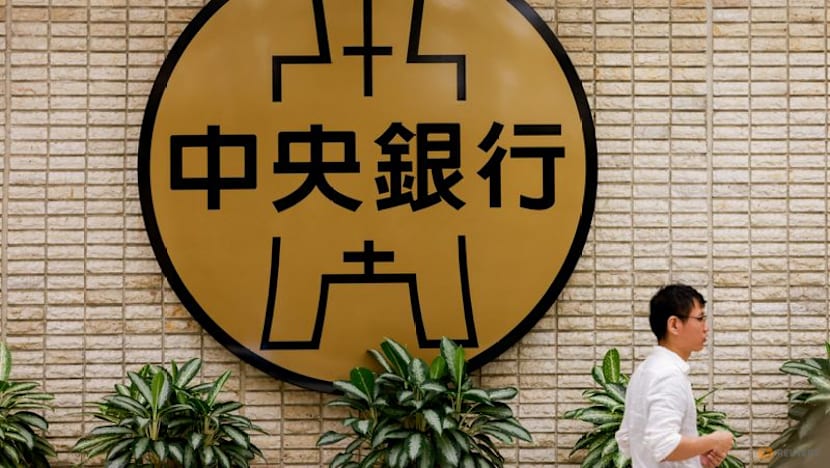
The Taiwan Central Bank has announced that the impact of the recent trade and tariff agreement between Taiwan and the United States on the Taiwan dollar’s exchange rate is deemed to be within a “controllable range.” This declaration, made on January 24, 2024, follows the agreement that reduces tariffs on Taiwanese goods from 20 percent to 15 percent and outlines significant financial commitments from Taiwanese firms.
Under the terms of this deal, Taiwanese companies are set to invest $250 billion in the United States. Additionally, Taiwan will provide an extra $250 billion in credit to support these investments. The central bank’s report to lawmakers highlighted that while this influx of capital may increase demand for U.S. dollars, the overall effect on the Taiwan dollar is manageable.
In recent months, the Taiwan dollar experienced volatility, particularly in May when it surged against the U.S. dollar amid speculation that the U.S. government sought a stronger currency. Both the Taiwanese government and the central bank denied these claims, emphasizing their commitment to maintaining currency stability.
The central bank noted that Taiwan’s large exporters have accumulated substantial foreign-currency assets. This means that they can draw from these reserves for their U.S. dollar needs without needing to convert Taiwan dollars, thereby minimizing potential disruptions in the domestic foreign-exchange market.
The report further explained that Taiwanese firms can issue U.S. dollar-denominated bonds or secure U.S. dollar financing through banks. This strategy allows them to utilize future dollar revenues to service debts, creating a “natural hedging effect.”
Looking ahead, the trade agreement is scheduled for phased implementation over several years. This gradual approach is expected to help mitigate firms’ demand for U.S. dollars, further easing the impact on Taiwan’s foreign-exchange market. The central bank reiterated that it did not participate in the trade discussions, maintaining its focus on currency regulation and stability.
As the agreement progresses, stakeholders will closely monitor its implications for both Taiwanese businesses and the broader economy, ensuring that the balance between growth and currency stability is maintained.

India Unveils Long-Range Hypersonic Missile Amid Regional Tensions

SK bioscience Launches Global Trial for Universal Sarbecovirus Vaccine

Senegal Coach Pape Thiaw Suspended and Fined After Final Disruption

PAS Denies Abolishing Chairman Post, Contradicts Muhyiddin’s Claim

Mbappé Critiques Real Madrid’s Effort After Benfica Defeat

Thailand’s December Factory Output Surges 2.52% Year-on-Year

Ishita Dutta Reveals Her Parenting Secret: Strong Coffee

Older GPs Express Concerns Over New Digital Health Record Mandate

Urban Jurgensen: A 252-Year Legacy Enters a New Era

Regina Martinez Breaks New Ground for Mexico in Cross-Country Skiing

South Korea’s Foreign Minister Cho Hyun to Visit China This Week

Starling Bank Plans Secondary Share Sale, Targeting $5.4 Billion Valuation

Munsang College Celebrates 100 Years with Grand Ceremony

PAS Aims to Expand Parliamentary Influence in Upcoming Election

De Minaur Triumphs at Washington Open After Thrilling Comeback

Kenvue Dismisses CEO Thibaut Mongon as Strategic Review Advances

Humanism Camp Engages 250 Youths in Summer Fest 2025

Colombian Senator Miguel Uribe Shows Signs of Recovery After Attack
-
 Sports2 months ago
Regina Martinez Breaks New Ground for Mexico in Cross-Country Skiing
-
 World6 months ago
South Korea’s Foreign Minister Cho Hyun to Visit China This Week
-
 Business7 months ago
Starling Bank Plans Secondary Share Sale, Targeting $5.4 Billion Valuation
-
 Top Stories7 months ago
Munsang College Celebrates 100 Years with Grand Ceremony
-
 World6 months ago
PAS Aims to Expand Parliamentary Influence in Upcoming Election
-
 Sports8 months ago
De Minaur Triumphs at Washington Open After Thrilling Comeback
-
 Business8 months ago
Kenvue Dismisses CEO Thibaut Mongon as Strategic Review Advances
-
 Lifestyle8 months ago
Humanism Camp Engages 250 Youths in Summer Fest 2025
-
 Top Stories9 months ago
Colombian Senator Miguel Uribe Shows Signs of Recovery After Attack
-

 Sports8 months ago
Tupou and Daugunu Join First Nations Squad for Lions Clash
-
 World8 months ago
ASEAN Gears Up for Historic Joint Meeting of Foreign and Economic Ministers
-

 Health8 months ago
New Study Challenges Assumptions About Aging and Inflammation