
Business
Singapore Launches 10-Cent Beverage Container Deposit Scheme in April

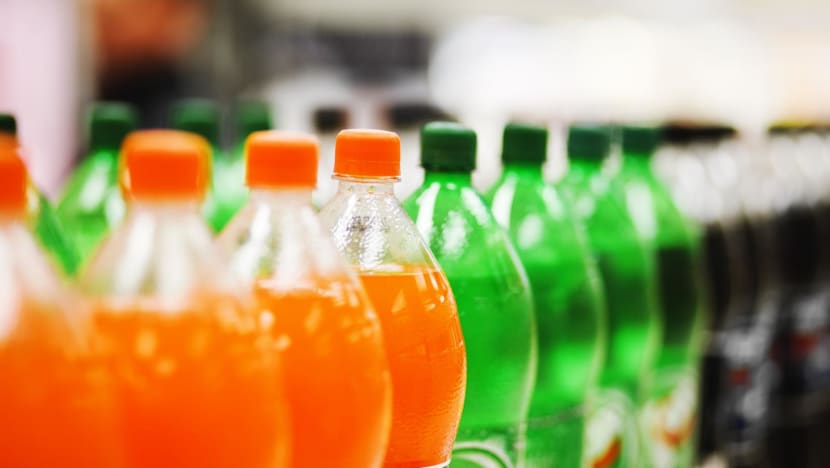
The Singapore government will implement a S$0.10 (approximately US$0.07) deposit scheme for bottled and canned drinks starting on April 1, 2026. Consumers will pay this deposit at the time of purchase, which will be refunded upon returning the empty containers to designated collection points. This initiative aims to enhance recycling and reduce waste in the city-state.
Originally scheduled to begin in April 2025, the launch of the beverage container return scheme was postponed by a year. Authorities responded to requests from major beverage producers for additional time to prepare for the operational changes. As Senior Minister of State for the Ministry of Sustainability and the Environment, Dr. Janil Puthucheary explained, the transition period has been extended from three months to six months, allowing businesses to clear existing stock before the new deposits are fully implemented.
During this transition phase, which will run from April 1 to October 1, 2026, consumers can expect to find a mixture of beverage containers on store shelves—some will include the refundable deposit, while others will not. Dr. Janil noted that the majority of containers with the deposit will likely appear closer to the end of the transition period.
The beverage container return scheme was first introduced in 2020 as part of Singapore’s broader efforts to promote environmental sustainability. The program targets pre-packaged beverages in plastic and metal containers ranging from 150ml to 3L. Following public consultations in 2022, the legislative framework for the scheme was established through the passage of the Resource Sustainability (Amendment) Bill in 2023.
In 2024, the National Environment Agency announced the issuance of a license to Beverage Container Return Scheme Limited (BCRS Ltd), a consortium formed by industry leaders including Coca-Cola Singapore Beverages, F&N Foods, and Pokka. This consortium is tasked with designing and operating the deposit scheme. Importantly, BCRS Ltd is mandated to include at least two directors representing the interests of smaller beverage producers on its board.
Dr. Janil emphasized the importance of collaboration among stakeholders. He stated, “We know that change takes time and effort, and we’ve been working closely with the scheme operator, BCRS Ltd, as well as other stakeholders – from beverage producers to retailers – to ensure the rollout is practical and smooth for everyone.” He described the scheme as a vital component of Singapore’s goals towards a circular economy.
In the coming weeks, BCRS Ltd is expected to release further details, including information about the markings on beverage labels and specific return locations for empty containers. Dr. Janil affirmed that outreach efforts would be intensified to engage all producers, retailers, and food and beverage outlets concerning the new scheme.
This initiative marks a significant step forward in Singapore’s commitment to environmental sustainability, aligning with global trends toward responsible consumption and waste management. As the launch date approaches, stakeholders are preparing for a shift in consumer behavior and an increased focus on recycling practices across the island nation.

India Unveils Long-Range Hypersonic Missile Amid Regional Tensions

SK bioscience Launches Global Trial for Universal Sarbecovirus Vaccine

Senegal Coach Pape Thiaw Suspended and Fined After Final Disruption

PAS Denies Abolishing Chairman Post, Contradicts Muhyiddin’s Claim

Mbappé Critiques Real Madrid’s Effort After Benfica Defeat

Thailand’s December Factory Output Surges 2.52% Year-on-Year

Ishita Dutta Reveals Her Parenting Secret: Strong Coffee

Older GPs Express Concerns Over New Digital Health Record Mandate

Urban Jurgensen: A 252-Year Legacy Enters a New Era

Regina Martinez Breaks New Ground for Mexico in Cross-Country Skiing

South Korea’s Foreign Minister Cho Hyun to Visit China This Week

Starling Bank Plans Secondary Share Sale, Targeting $5.4 Billion Valuation

Munsang College Celebrates 100 Years with Grand Ceremony

PAS Aims to Expand Parliamentary Influence in Upcoming Election

De Minaur Triumphs at Washington Open After Thrilling Comeback

Kenvue Dismisses CEO Thibaut Mongon as Strategic Review Advances

Humanism Camp Engages 250 Youths in Summer Fest 2025

Colombian Senator Miguel Uribe Shows Signs of Recovery After Attack
-
 Sports3 months ago
Regina Martinez Breaks New Ground for Mexico in Cross-Country Skiing
-
 World7 months ago
South Korea’s Foreign Minister Cho Hyun to Visit China This Week
-
 Business7 months ago
Starling Bank Plans Secondary Share Sale, Targeting $5.4 Billion Valuation
-
 Top Stories7 months ago
Munsang College Celebrates 100 Years with Grand Ceremony
-
 World7 months ago
PAS Aims to Expand Parliamentary Influence in Upcoming Election
-
 Sports8 months ago
De Minaur Triumphs at Washington Open After Thrilling Comeback
-
 Business9 months ago
Kenvue Dismisses CEO Thibaut Mongon as Strategic Review Advances
-
 Lifestyle8 months ago
Humanism Camp Engages 250 Youths in Summer Fest 2025
-
 Top Stories9 months ago
Colombian Senator Miguel Uribe Shows Signs of Recovery After Attack
-

 Sports9 months ago
Tupou and Daugunu Join First Nations Squad for Lions Clash
-
 World9 months ago
ASEAN Gears Up for Historic Joint Meeting of Foreign and Economic Ministers
-

 Health8 months ago
New Study Challenges Assumptions About Aging and Inflammation