
Health
Potatoes Prove Their Nutritional Worth Beyond ‘Empty Carbs’

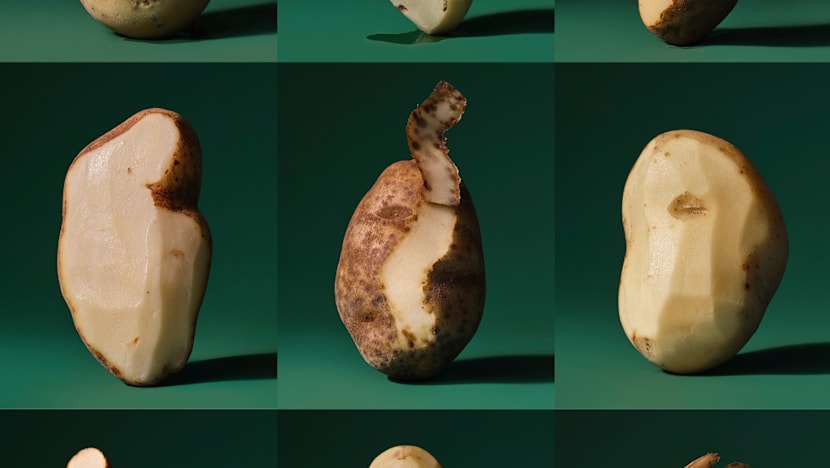
Recent research highlights that potatoes, often dismissed as unhealthy due to their common association with fried dishes, are nutrient-rich foods that can support health when prepared properly. Nutrition experts emphasize the various health benefits of different potato varieties, including russets, fingerlings, and Yukon Golds.
Energy and Nutritional Value
Potatoes are primarily composed of carbohydrates, with a medium-sized peeled russet potato containing approximately 35 grams of carbs. According to Tal Kleiner, a clinical nutrition manager at NYU Langone Health, this does not render them unhealthy. Instead, the complex carbohydrates in potatoes digest more slowly than simple carbohydrates, providing a steady energy source and helping individuals feel satiated for longer periods.
Some potato varieties have a high glycemic index (GI), which can lead to rapid spikes in blood sugar levels. Kleiner notes that waxy potatoes, like fingerlings and red potatoes, generally have a lower GI compared to russet potatoes. To mitigate blood sugar spikes, dietitian Tara Schmidt from the Mayo Clinic suggests pairing potatoes with lean proteins, healthy fats, and non-starchy vegetables.
Health Benefits of Potatoes
Potatoes are surprisingly rich in Vitamin C, with one medium peeled russet potato providing about 25 percent of the recommended daily intake. This vitamin is crucial for tissue growth and repair and plays a role in maintaining a robust immune system. Additionally, potatoes contain phenolics, a type of polyphenol that helps reduce inflammation and supports immune function, as stated by Mary Ellen Camire, a professor at the University of Maine.
Moreover, potatoes are an excellent source of potassium, offering around 900 milligrams per medium peeled russet potato—significantly higher than the 650 milligrams found in a similar serving of banana. Potassium is essential for muscle and nerve function, as well as maintaining healthy blood pressure levels.
The skin of potatoes is another nutritional powerhouse, containing a significant amount of fiber and phenolics. A medium baked potato with the skin retains 10 to 20 percent of the daily fiber requirement, depending on age and sex. The more vibrant the potato’s skin and flesh, the more nutrients it typically contains. For example, purple and red potatoes are rich in anthocyanins, which may promote heart health and cognitive function.
In terms of preparation, experts recommend methods such as baking, roasting, or boiling potatoes with minimal additions to maintain their health benefits. Adding excessive butter or sour cream can diminish their nutritional value. Instead, a light drizzle of olive oil or a splash of hot sauce can enhance flavor without compromising health benefits.
Overall, potatoes are a nutrient-dense alternative to processed carbohydrates such as white rice or pasta. As Mary Ellen DiPaola, a senior outpatient dietitian at the University of California, San Francisco, points out, “Potatoes are a more nutrient-dense option than processed white starches.” With their broad range of health benefits, it is clear that potatoes deserve a place in a balanced diet.

India Unveils Long-Range Hypersonic Missile Amid Regional Tensions

SK bioscience Launches Global Trial for Universal Sarbecovirus Vaccine

Senegal Coach Pape Thiaw Suspended and Fined After Final Disruption

PAS Denies Abolishing Chairman Post, Contradicts Muhyiddin’s Claim

Mbappé Critiques Real Madrid’s Effort After Benfica Defeat

Thailand’s December Factory Output Surges 2.52% Year-on-Year

Ishita Dutta Reveals Her Parenting Secret: Strong Coffee

Older GPs Express Concerns Over New Digital Health Record Mandate

Urban Jurgensen: A 252-Year Legacy Enters a New Era

Regina Martinez Breaks New Ground for Mexico in Cross-Country Skiing

South Korea’s Foreign Minister Cho Hyun to Visit China This Week

Starling Bank Plans Secondary Share Sale, Targeting $5.4 Billion Valuation

Munsang College Celebrates 100 Years with Grand Ceremony

PAS Aims to Expand Parliamentary Influence in Upcoming Election

De Minaur Triumphs at Washington Open After Thrilling Comeback

Kenvue Dismisses CEO Thibaut Mongon as Strategic Review Advances

Humanism Camp Engages 250 Youths in Summer Fest 2025

Colombian Senator Miguel Uribe Shows Signs of Recovery After Attack
-
 Sports3 months ago
Regina Martinez Breaks New Ground for Mexico in Cross-Country Skiing
-
 World8 months ago
South Korea’s Foreign Minister Cho Hyun to Visit China This Week
-
 Business8 months ago
Starling Bank Plans Secondary Share Sale, Targeting $5.4 Billion Valuation
-
 Top Stories8 months ago
Munsang College Celebrates 100 Years with Grand Ceremony
-
 World8 months ago
PAS Aims to Expand Parliamentary Influence in Upcoming Election
-
 Sports9 months ago
De Minaur Triumphs at Washington Open After Thrilling Comeback
-
 Business10 months ago
Kenvue Dismisses CEO Thibaut Mongon as Strategic Review Advances
-
 Lifestyle9 months ago
Humanism Camp Engages 250 Youths in Summer Fest 2025
-
 Top Stories10 months ago
Colombian Senator Miguel Uribe Shows Signs of Recovery After Attack
-

 Sports10 months ago
Tupou and Daugunu Join First Nations Squad for Lions Clash
-

 World10 months ago
ASEAN Gears Up for Historic Joint Meeting of Foreign and Economic Ministers
-

 Health9 months ago
New Study Challenges Assumptions About Aging and Inflammation