
Health
Recognizing When to Seek Therapy: Signs and Insights

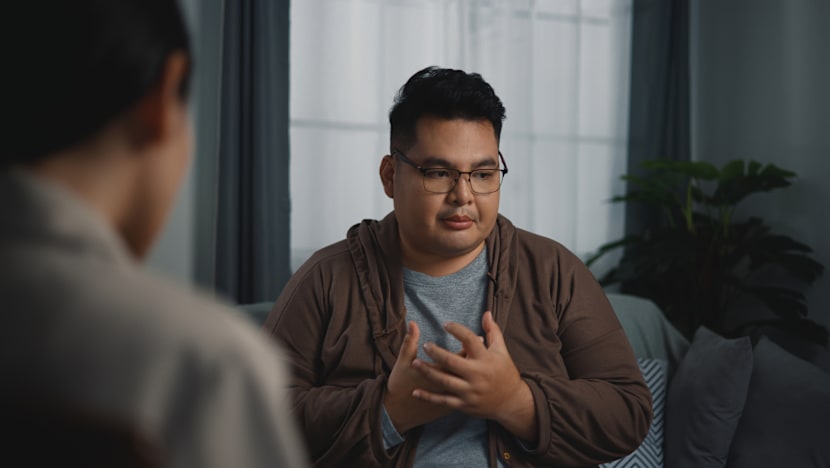
Many individuals experience stress in their everyday lives, often dismissing it as a normal part of existence. However, as pressures mount from various aspects of life, it becomes essential to evaluate when seeking therapy might be necessary. In Singapore, for instance, the rising demands of work, family responsibilities, and personal relationships can lead to overwhelming feelings that signal a need for professional support.
According to Andrea Chan, group head of TOUCH Counselling & Psychological Services, it is normal to encounter feelings of sadness, anxiety, or stress. Yet, when these feelings persist or escalate to the point where they disrupt daily activities, it may be time to consult a therapist. Justyne Ho, a counsellor from the SAMH Insight Centre, emphasizes that if distressing emotions last for weeks or months without relief, the situation warrants attention.
The SAMH Insight Centre has reported a significant increase in individuals seeking mental health support, specifically noting a rise of approximately 30 percent in counselling sessions and a 23 percent increase in active clients from 2020 to 2024. This trend reflects a growing recognition of therapy as a valuable resource for those grappling with mental health challenges.
The Reality of Therapy: What to Expect
Popular media often portrays therapy in a simplistic manner, suggesting quick fixes and dramatic revelations. In reality, Ong Jie Li, a senior clinical psychologist from the Institute of Mental Health, explains that therapy is a gradual process. Clients typically engage in conversations while seated comfortably, rather than lying on a couch. Therapists guide discussions through questions, helping clients arrive at their own insights rather than providing direct solutions.
Therapy sessions often unfold over months or even years, allowing individuals to explore their emotions and build resilience. Chan notes that therapy in Singapore is generally practical, evidence-based, and confidential, focusing on emotional processing and well-being enhancement.
Understanding Different Mental Health Professionals
When considering therapy, it’s important to understand the distinctions between various mental health professionals. Life coaches primarily assist with personal development and goal-setting, as noted by Ho, but they do not typically address mental health conditions. Counsellors provide support for emotional and relational issues through talk therapy. Social workers can also offer counseling while connecting clients with social services.
Psychotherapists and psychologists employ specialized methods to treat emotional and behavioral issues, while psychiatrists are medical doctors who can diagnose mental health disorders and prescribe medication when necessary.
For those apprehensive about sharing personal feelings, it is common to feel awkward initially. Ho encourages individuals to articulate their discomfort to their therapist, who can help navigate sensitive topics in a supportive environment. Writing down thoughts prior to a session may also facilitate clearer expression.
If discomfort with a therapist persists after several sessions, Chan advises individuals to consider seeking a different therapist. Building a therapeutic relationship takes time, but ongoing feelings of being misunderstood or judged may indicate a poor fit.
Accessing Therapy Services
Individuals seeking mental health support in Singapore have various avenues available. These include helplines, privately run counselling centres, community mental health facilities, general practitioners, and hospital services. Each option caters to different needs and situations.
While some view therapy as a reactive measure for crises, Ho emphasizes its preventive potential. Regular sessions can serve as a form of emotional maintenance, enabling individuals to develop resilience and self-awareness. Ong highlights that therapy addresses underlying vulnerabilities that can exacerbate stress during challenging times.
Therapy is not solely a response to immediate issues; it can help individuals build emotional strength, ensuring they are better equipped to handle future challenges. Ultimately, the goal is to empower individuals to navigate their lives with greater confidence and support when needed.

India Unveils Long-Range Hypersonic Missile Amid Regional Tensions

SK bioscience Launches Global Trial for Universal Sarbecovirus Vaccine

Senegal Coach Pape Thiaw Suspended and Fined After Final Disruption

PAS Denies Abolishing Chairman Post, Contradicts Muhyiddin’s Claim

Mbappé Critiques Real Madrid’s Effort After Benfica Defeat

Thailand’s December Factory Output Surges 2.52% Year-on-Year

Ishita Dutta Reveals Her Parenting Secret: Strong Coffee

Older GPs Express Concerns Over New Digital Health Record Mandate

Urban Jurgensen: A 252-Year Legacy Enters a New Era

Regina Martinez Breaks New Ground for Mexico in Cross-Country Skiing

South Korea’s Foreign Minister Cho Hyun to Visit China This Week

Starling Bank Plans Secondary Share Sale, Targeting $5.4 Billion Valuation

Munsang College Celebrates 100 Years with Grand Ceremony

PAS Aims to Expand Parliamentary Influence in Upcoming Election

De Minaur Triumphs at Washington Open After Thrilling Comeback

Kenvue Dismisses CEO Thibaut Mongon as Strategic Review Advances

Humanism Camp Engages 250 Youths in Summer Fest 2025

Colombian Senator Miguel Uribe Shows Signs of Recovery After Attack
-
 Sports3 months ago
Regina Martinez Breaks New Ground for Mexico in Cross-Country Skiing
-
 World8 months ago
South Korea’s Foreign Minister Cho Hyun to Visit China This Week
-
 Business8 months ago
Starling Bank Plans Secondary Share Sale, Targeting $5.4 Billion Valuation
-
 Top Stories8 months ago
Munsang College Celebrates 100 Years with Grand Ceremony
-
 World8 months ago
PAS Aims to Expand Parliamentary Influence in Upcoming Election
-
 Sports9 months ago
De Minaur Triumphs at Washington Open After Thrilling Comeback
-
 Business10 months ago
Kenvue Dismisses CEO Thibaut Mongon as Strategic Review Advances
-
 Lifestyle9 months ago
Humanism Camp Engages 250 Youths in Summer Fest 2025
-
 Top Stories10 months ago
Colombian Senator Miguel Uribe Shows Signs of Recovery After Attack
-

 Sports10 months ago
Tupou and Daugunu Join First Nations Squad for Lions Clash
-

 World10 months ago
ASEAN Gears Up for Historic Joint Meeting of Foreign and Economic Ministers
-

 Health9 months ago
New Study Challenges Assumptions About Aging and Inflammation