
Business
Malaysia’s Palm Oil Stocks Expected to Fall Amid Rising Exports

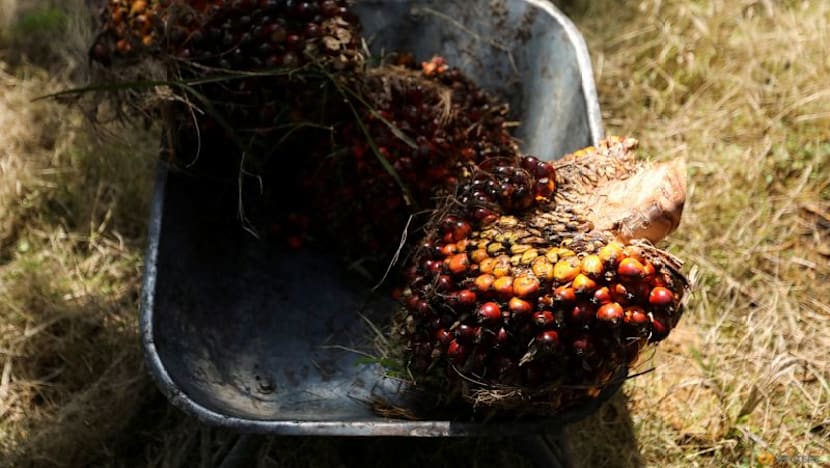
Malaysia’s palm oil stocks are projected to decline in the coming months, with estimates suggesting an end-of-year inventory of approximately 1.7 million metric tons. This anticipated decrease is attributed to a seasonal slowdown in production coinciding with increasing exports driven by festive season demand, according to the Malaysian Palm Oil Board (MPOB).
The country’s position as the world’s second-largest palm oil producer, following Indonesia, may bolster benchmark futures, which have faced downward pressure recently due to competitive pricing from soyoil. “Production is slowly coming down, and we expect exports to rise in the coming months on festive season demand,” said Ahmad Parveez Ghulam Kadir, director-general at the MPOB, on Monday.
Production Trends and Market Pressures
Historically, Malaysian palm oil production experiences a downturn towards the end of the year after a strong performance in the third quarter. According to MPOB data, palm oil stocks rose by 4.18 percent month-on-month in August, reaching 2.2 million tons, the highest level since December 2023. In recent weeks, palm oil prices have come under pressure as a significant decrease in soyoil prices has made the latter more competitive, prompting major palm oil buyer India to increase its soy oil imports for the upcoming months.
Despite current pressures, Kadir indicated that palm oil prices are likely to remain stable in the near future due to uncertainties surrounding supplies from Indonesia. He noted that potential disruptions in Indonesian exports could result from the proposed implementation of the B50 biodiesel programme and ongoing government seizures of oil palm plantations.
Indonesia currently enforces a 40 percent palm oil content requirement in biodiesel, with plans to elevate this to 50 percent starting next year. Earlier this month, Indonesia transferred 674,178 hectares (approximately 1.7 million acres) of palm oil plantations to state-owned firm Agrinas Palma Nusantara, elevating the total area under the company’s management to 1.5 million hectares (around 3.7 million acres).
Future Outlook and Industry Developments
In Malaysia, the replanting of oil palm is progressing at a slow pace. To expedite this crucial process, the MPOB has called on the government to increase its allocation for palm oil replanting to 280 million ringgit for the year 2026, a significant increase from the 100 million ringgit allocated for this year.
As the market navigates these developments, stakeholders will be closely monitoring both production trends and export levels to gauge the future of palm oil prices and the overall health of the industry. The interplay between Malaysian and Indonesian supplies will continue to shape the global palm oil landscape in the months ahead.

Hong Kong Fire Exposes Contractor’s Troubling Safety Record

Ilia Malinin Sets New World Record at Grand Prix Final in Japan

New Tengah Neighbourhood Centre to Enhance Community Living

Tisca Chopra Takes the Helm: Directs ‘Saali Mohabbat’ Debut

Dr. Richa Kumar Introduces Innovative Rhinoplasty Treatment in Delhi

Trump Awarded Inaugural FIFA Peace Prize for Global Mediation Efforts

Drashti Dhami Showcases Intense Workout Routine on Instagram

Experts Assess Risks of Occasional Binge Drinking During Holidays

Dr. Sandeep Marwah to Lead 18th Global Film Festival Noida 2025

Humanism Camp Engages 250 Youths in Summer Fest 2025

Kenvue Dismisses CEO Thibaut Mongon as Strategic Review Advances

De Minaur Triumphs at Washington Open After Thrilling Comeback

Tupou and Daugunu Join First Nations Squad for Lions Clash

Colombian Senator Miguel Uribe Shows Signs of Recovery After Attack

ASEAN Gears Up for Historic Joint Meeting of Foreign and Economic Ministers

New Study Challenges Assumptions About Aging and Inflammation

Oil Prices Surge Following New EU Sanctions on Russia

Detaşe-Sabah Violin Ensemble Captivates at Gabala Music Festival
-
 Lifestyle4 months ago
Humanism Camp Engages 250 Youths in Summer Fest 2025
-
 Business5 months ago
Kenvue Dismisses CEO Thibaut Mongon as Strategic Review Advances
-
 Sports4 months ago
De Minaur Triumphs at Washington Open After Thrilling Comeback
-
 Sports5 months ago
Tupou and Daugunu Join First Nations Squad for Lions Clash
-
 Top Stories5 months ago
Colombian Senator Miguel Uribe Shows Signs of Recovery After Attack
-
 World5 months ago
ASEAN Gears Up for Historic Joint Meeting of Foreign and Economic Ministers
-
 Health4 months ago
New Study Challenges Assumptions About Aging and Inflammation
-
 Business5 months ago
Oil Prices Surge Following New EU Sanctions on Russia
-
 Entertainment4 months ago
Detaşe-Sabah Violin Ensemble Captivates at Gabala Music Festival
-

 Entertainment4 months ago
Baku Metro Extends Hours for Justin Timberlake Concert
-

 Top Stories5 months ago
Rethinking Singapore’s F&B Regulations Amid Business Closures
-

 Business5 months ago
U.S. House Approves Stablecoin Bill, Sends to Trump for Signature