
Health
Exploring the Integration of Traditional Chinese Medicine and Western Practices

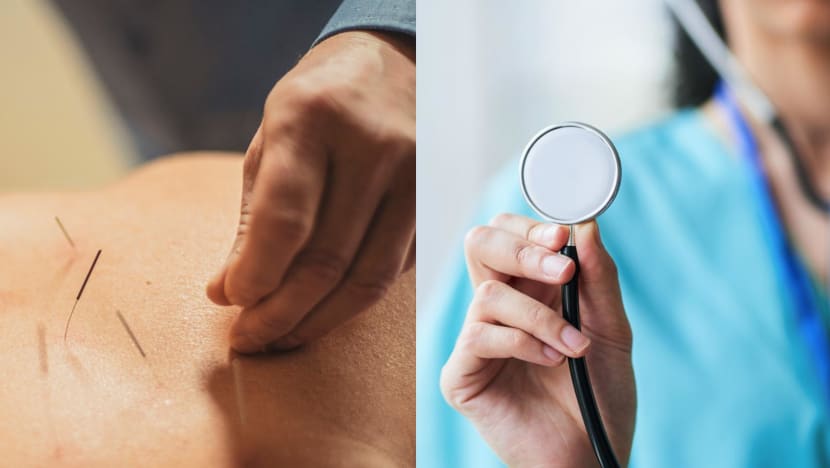
An increasing number of individuals in Singapore are turning to Traditional Chinese Medicine (TCM) as part of their healthcare regimen. According to the **2022 National Population Health Survey**, approximately one in five adult Singaporeans utilize TCM services annually, with nearly **40 percent** opting to combine TCM with Western medical treatments. This trend highlights a growing acceptance of holistic approaches to health and wellness.
Public hospitals in Singapore are beginning to incorporate TCM practices into their offerings. Facilities like **National University Hospital**, **Singapore General Hospital**, **Tan Tock Seng Hospital**, **Sengkang General Hospital**, and **Khoo Teck Puat Hospital** now provide services such as acupuncture alongside conventional medical care. The **Ministry of Health (MOH)** is actively promoting this integration through initiatives such as the **TCM Integrative Sandbox Initiative**, which has been evaluating **18 evidence-based TCM treatments** since January 2025. These treatments target various conditions, including migraines, post-stroke rehabilitation, and cancer-related care.
Understanding the Appeal of TCM
The appeal of TCM extends beyond cultural traditions; it resonates with a wide demographic, including younger individuals who prioritize wellness and natural treatments. **Adele Lau Wan Hui**, a senior acupuncturist at **Sengkang General Hospital**, notes that seniors often gravitate towards TCM due to a combination of cultural familiarity and positive past experiences. Younger patients may prefer TCM as it is perceived to have fewer side effects than pharmaceuticals.
Some patients turn to TCM when Western medicine does not deliver the expected results. **Tan Weii Zhu**, a senior TCM physician at **Raffles Chinese Medicine**, explains that individuals may seek alternative therapies when pain relief from conventional medications is inadequate.
Evaluating TCM’s Role in Modern Healthcare
While TCM is often associated with herbal remedies and acupuncture, it plays a significant modern role alongside mainstream treatments for serious illnesses such as cancer and stroke. TCM approaches health differently from Western medicine, viewing the body as an interconnected system influenced by energy, emotions, and various external factors. This perspective allows TCM to offer alternative solutions for conditions that may not respond well to traditional treatments.
**Dr. Huang Youyi**, an associate consultant at **Sengkang General Hospital**, emphasizes that TCM can complement conventional treatments, particularly in cases where standard methods have significant side effects or complications. For instance, a **2025 study** by the **National Cancer Centre Singapore** found that the TCM herbal formula **Xiang Bei Yang Rong Tang** showed promising results in alleviating cancer-related fatigue caused by conventional therapies.
Acupuncture has also been identified as an effective adjunct therapy for various conditions, including pain management for neck and lower back pain, as well as symptoms related to chemotherapy and post-surgical recovery. **Dr. Quah Teik Joo**, a senior consultant at **Tan Tock Seng Hospital**, highlights the proven efficacy of acupuncture, particularly in addressing nausea and vomiting associated with chemotherapy.
TCM has also been beneficial for post-stroke patients, as it focuses on restoring the body’s internal balance and accelerating recovery, while Western medicine addresses structural damage. Additionally, TCM can assist those with mild to moderate hypertension or early-stage Type 2 diabetes through lifestyle modifications and herbal treatments.
Advancements in TCM Practices
Modern advancements in TCM have made treatment more accessible and efficient. The development of concentrated herbal granules has streamlined the preparation process, allowing patients to mix herbal prescriptions in hot water like instant coffee. Some practitioners are also exploring the use of laser acupuncture, which utilizes low-intensity lasers to stimulate acupuncture points without needles.
Emerging technologies in TCM include machine-assisted cupping and robotic massage devices, although these innovations await approval from the **Health Sciences Authority** for widespread use in clinics. There is also growing interest in integrating artificial intelligence into TCM practices, as seen in projects like **Synseh**, which employs computer vision and algorithms for TCM tongue analysis.
Despite the advantages of TCM, patients are advised to remain vigilant. **Dr. Quah** cautions against substituting TCM for conventional medical care or neglecting necessary medical check-ups. It is crucial for patients to keep healthcare providers informed of all treatments they are undergoing, including any herbal remedies, to avoid potential medication interactions.
In conclusion, the evolving relationship between TCM and Western medicine in Singapore reflects a broader trend towards holistic healthcare. As more individuals seek integrative therapies, the collaboration between these two medical systems may enhance patient care and lead to improved health outcomes.

India Unveils Long-Range Hypersonic Missile Amid Regional Tensions

SK bioscience Launches Global Trial for Universal Sarbecovirus Vaccine

Senegal Coach Pape Thiaw Suspended and Fined After Final Disruption

PAS Denies Abolishing Chairman Post, Contradicts Muhyiddin’s Claim

Mbappé Critiques Real Madrid’s Effort After Benfica Defeat

Thailand’s December Factory Output Surges 2.52% Year-on-Year

Ishita Dutta Reveals Her Parenting Secret: Strong Coffee

Older GPs Express Concerns Over New Digital Health Record Mandate

Urban Jurgensen: A 252-Year Legacy Enters a New Era

Regina Martinez Breaks New Ground for Mexico in Cross-Country Skiing

South Korea’s Foreign Minister Cho Hyun to Visit China This Week

Starling Bank Plans Secondary Share Sale, Targeting $5.4 Billion Valuation

Munsang College Celebrates 100 Years with Grand Ceremony

PAS Aims to Expand Parliamentary Influence in Upcoming Election

De Minaur Triumphs at Washington Open After Thrilling Comeback

Kenvue Dismisses CEO Thibaut Mongon as Strategic Review Advances

Humanism Camp Engages 250 Youths in Summer Fest 2025

Colombian Senator Miguel Uribe Shows Signs of Recovery After Attack
-
 Sports2 months ago
Regina Martinez Breaks New Ground for Mexico in Cross-Country Skiing
-
 World6 months ago
South Korea’s Foreign Minister Cho Hyun to Visit China This Week
-
 Business7 months ago
Starling Bank Plans Secondary Share Sale, Targeting $5.4 Billion Valuation
-
 Top Stories7 months ago
Munsang College Celebrates 100 Years with Grand Ceremony
-
 World6 months ago
PAS Aims to Expand Parliamentary Influence in Upcoming Election
-
 Sports8 months ago
De Minaur Triumphs at Washington Open After Thrilling Comeback
-
 Business8 months ago
Kenvue Dismisses CEO Thibaut Mongon as Strategic Review Advances
-
 Lifestyle8 months ago
Humanism Camp Engages 250 Youths in Summer Fest 2025
-
 Top Stories9 months ago
Colombian Senator Miguel Uribe Shows Signs of Recovery After Attack
-

 Sports8 months ago
Tupou and Daugunu Join First Nations Squad for Lions Clash
-
 World8 months ago
ASEAN Gears Up for Historic Joint Meeting of Foreign and Economic Ministers
-
 Health8 months ago
New Study Challenges Assumptions About Aging and Inflammation