
Top Stories
Pakistan’s Army Chief Strengthens Ties with Trump Amid Domestic Struggles

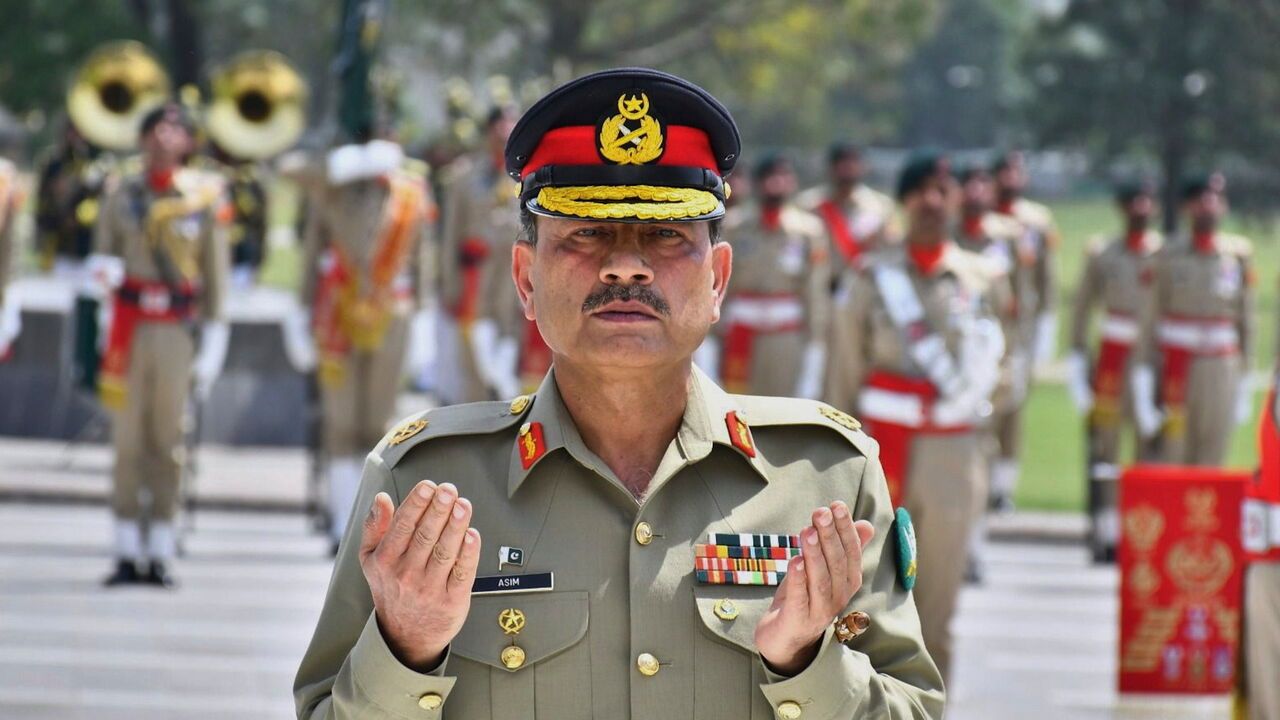
Field Marshal Asim Munir, the chief of Pakistan’s army, is navigating a complex landscape marked by both international diplomacy and domestic challenges. On June 18, 2023, he dined privately with former U.S. President Donald Trump at the White House, a meeting that follows a period of significant tension between Pakistan and its neighbor, India. This interaction signifies a potential shift in alliances as Pakistan seeks to regain its footing on the global stage.
The backdrop to this meeting is fraught with issues for Pakistan. The country has been grappling with severe economic difficulties, including a substantial debt burden and rising insurgent violence. These internal challenges have led to a perception that Pakistan has been sidelined in global geopolitics, especially as countries like the United States have increasingly turned their attention to India, Pakistan’s long-standing rival.
Following the lunch, Trump made headlines again in July 2023 by labeling India a “dead economy” and imposing a 25% tariff on Indian goods. This move came alongside the announcement of a new trade agreement with Pakistan, further emphasizing a shift in U.S. foreign policy that appears to favor Islamabad over New Delhi. The implications of these developments are significant, as they could reshape trade dynamics in South Asia and affect regional stability.
Domestic Power Dynamics and International Relations
Field Marshal Munir has faced criticism at home for his perceived interference in politics. As he strengthens his ties with international leaders, he is simultaneously consolidating his power domestically. The political landscape in Pakistan remains volatile, with ongoing challenges to governance and stability. His engagement with Trump may serve not only to bolster Pakistan’s international standing but also to reinforce his position within the military and political hierarchy.
The meeting with Trump and subsequent trade announcements highlight the delicate balance Pakistan must strike between external relationships and internal governance. With a fragile economy and ongoing security threats, the stakes are high for Munir as he navigates these complex waters.
This evolving narrative is crucial for understanding the geopolitical shifts in South Asia. As Pakistan seeks to redefine its role on the international stage, the outcomes of these interactions could have lasting effects on its relationship with not only the United States but also its regional neighbors.
In summary, Asim Munir‘s recent engagement with Donald Trump symbolizes a potential turning point for Pakistan as it strives to recover from economic and political turmoil. The implications of these developments will likely resonate through the corridors of power in Islamabad and beyond.

India Unveils Long-Range Hypersonic Missile Amid Regional Tensions

SK bioscience Launches Global Trial for Universal Sarbecovirus Vaccine

Senegal Coach Pape Thiaw Suspended and Fined After Final Disruption

PAS Denies Abolishing Chairman Post, Contradicts Muhyiddin’s Claim

Mbappé Critiques Real Madrid’s Effort After Benfica Defeat

Thailand’s December Factory Output Surges 2.52% Year-on-Year

Ishita Dutta Reveals Her Parenting Secret: Strong Coffee

Older GPs Express Concerns Over New Digital Health Record Mandate

Urban Jurgensen: A 252-Year Legacy Enters a New Era

Regina Martinez Breaks New Ground for Mexico in Cross-Country Skiing

South Korea’s Foreign Minister Cho Hyun to Visit China This Week

Starling Bank Plans Secondary Share Sale, Targeting $5.4 Billion Valuation

Munsang College Celebrates 100 Years with Grand Ceremony

PAS Aims to Expand Parliamentary Influence in Upcoming Election

De Minaur Triumphs at Washington Open After Thrilling Comeback

Kenvue Dismisses CEO Thibaut Mongon as Strategic Review Advances

Humanism Camp Engages 250 Youths in Summer Fest 2025

Colombian Senator Miguel Uribe Shows Signs of Recovery After Attack
-
 Sports2 months ago
Regina Martinez Breaks New Ground for Mexico in Cross-Country Skiing
-
 World6 months ago
South Korea’s Foreign Minister Cho Hyun to Visit China This Week
-
 Business7 months ago
Starling Bank Plans Secondary Share Sale, Targeting $5.4 Billion Valuation
-
 Top Stories6 months ago
Munsang College Celebrates 100 Years with Grand Ceremony
-
 World6 months ago
PAS Aims to Expand Parliamentary Influence in Upcoming Election
-
 Sports8 months ago
De Minaur Triumphs at Washington Open After Thrilling Comeback
-
 Business8 months ago
Kenvue Dismisses CEO Thibaut Mongon as Strategic Review Advances
-
 Lifestyle8 months ago
Humanism Camp Engages 250 Youths in Summer Fest 2025
-
 Top Stories8 months ago
Colombian Senator Miguel Uribe Shows Signs of Recovery After Attack
-

 Sports8 months ago
Tupou and Daugunu Join First Nations Squad for Lions Clash
-
 World8 months ago
ASEAN Gears Up for Historic Joint Meeting of Foreign and Economic Ministers
-

 Health8 months ago
New Study Challenges Assumptions About Aging and Inflammation