
Top Stories
Singapore Implements Temperature Screening for Nipah Virus

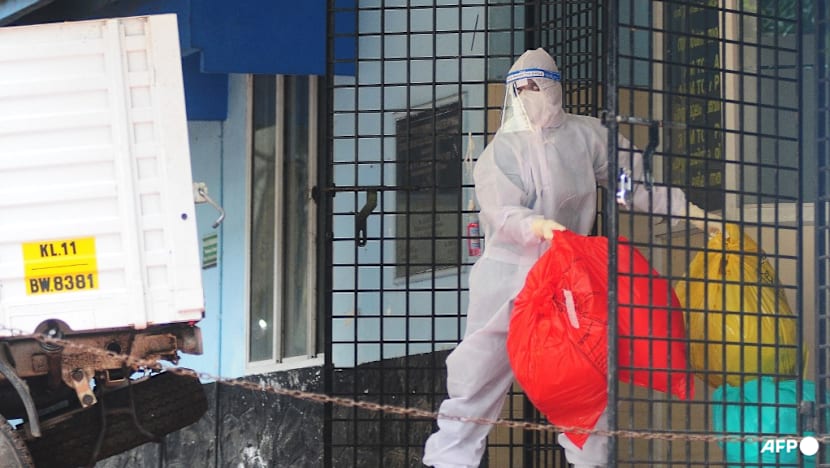
Singapore has announced that it will begin temperature screening for travellers arriving on flights from regions experiencing outbreaks of the Nipah virus (NiV). This measure, confirmed by the Communicable Diseases Agency (CDA) on January 28, 2024, is part of a broader strategy aimed at monitoring and controlling the potential spread of the virus, especially following the recent outbreak in West Bengal, India.
The CDA is actively tracking the Nipah virus outbreak, which marks the seventh occurrence in India since 2001. The Nipah virus is primarily transmitted through contact with bats or the consumption of contaminated date palm sap and fruits. While the virus has not been detected in Singapore, ongoing bio-surveillance efforts have been in place since 2011 to monitor local bat populations.
Currently, the outbreak in West Bengal has involved at least two reported human cases, with transmission occurring primarily within hospital settings. The CDA noted that while human-to-human transmission of the Nipah virus is rare, it can still occur under specific conditions. At present, there is no indication of sustained community transmission in the affected areas.
In response to the situation, Singapore’s public health authorities are implementing additional precautionary measures. In addition to temperature screening, the CDA is advising the public to remain vigilant and to seek medical attention if they experience symptoms consistent with Nipah virus infection, which can include fever, headache, and respiratory issues.
Officials stress the importance of these measures in safeguarding public health, particularly as international travel continues to increase. Singapore’s proactive approach reflects its commitment to preventing the introduction and spread of infectious diseases within its borders.
As the situation develops, the CDA will continue to monitor the outbreak closely and provide updates to the public as necessary. The agency encourages all travellers from affected regions to comply with screening protocols and to report any relevant health concerns to authorities.
With the global landscape ever-changing, the response to such outbreaks remains critical in protecting communities and ensuring health safety across borders.

India Unveils Long-Range Hypersonic Missile Amid Regional Tensions

SK bioscience Launches Global Trial for Universal Sarbecovirus Vaccine

Senegal Coach Pape Thiaw Suspended and Fined After Final Disruption

PAS Denies Abolishing Chairman Post, Contradicts Muhyiddin’s Claim

Mbappé Critiques Real Madrid’s Effort After Benfica Defeat

Thailand’s December Factory Output Surges 2.52% Year-on-Year

Ishita Dutta Reveals Her Parenting Secret: Strong Coffee

Older GPs Express Concerns Over New Digital Health Record Mandate

Urban Jurgensen: A 252-Year Legacy Enters a New Era

South Korea’s Foreign Minister Cho Hyun to Visit China This Week

Starling Bank Plans Secondary Share Sale, Targeting $5.4 Billion Valuation

Munsang College Celebrates 100 Years with Grand Ceremony

PAS Aims to Expand Parliamentary Influence in Upcoming Election

Kenvue Dismisses CEO Thibaut Mongon as Strategic Review Advances

Humanism Camp Engages 250 Youths in Summer Fest 2025

De Minaur Triumphs at Washington Open After Thrilling Comeback

Tupou and Daugunu Join First Nations Squad for Lions Clash

Colombian Senator Miguel Uribe Shows Signs of Recovery After Attack
-
 World5 months ago
South Korea’s Foreign Minister Cho Hyun to Visit China This Week
-
 Business5 months ago
Starling Bank Plans Secondary Share Sale, Targeting $5.4 Billion Valuation
-
 Top Stories5 months ago
Munsang College Celebrates 100 Years with Grand Ceremony
-
 World5 months ago
PAS Aims to Expand Parliamentary Influence in Upcoming Election
-
 Business7 months ago
Kenvue Dismisses CEO Thibaut Mongon as Strategic Review Advances
-
 Lifestyle6 months ago
Humanism Camp Engages 250 Youths in Summer Fest 2025
-
 Sports6 months ago
De Minaur Triumphs at Washington Open After Thrilling Comeback
-
 Sports7 months ago
Tupou and Daugunu Join First Nations Squad for Lions Clash
-
 Top Stories7 months ago
Colombian Senator Miguel Uribe Shows Signs of Recovery After Attack
-
 World7 months ago
ASEAN Gears Up for Historic Joint Meeting of Foreign and Economic Ministers
-

 Health6 months ago
New Study Challenges Assumptions About Aging and Inflammation
-

 Business6 months ago
Oil Prices Surge Following New EU Sanctions on Russia