
Top Stories
Private-Hire Drivers in Singapore Hesitate to Embrace EVs

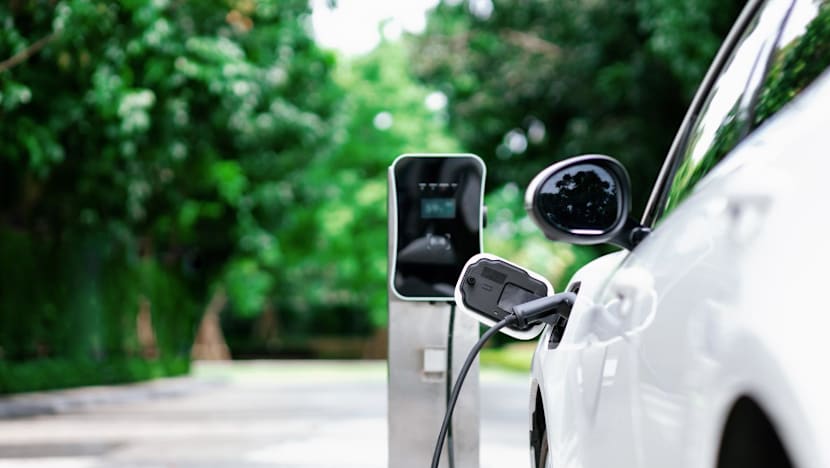
As electric vehicles (EVs) gain traction on Singapore’s roads, private-hire drivers are showing reluctance to transition from traditional vehicles. Despite a significant increase in EV ownership, with 7.4 percent of the total car population projected to be electric by the end of 2025, many drivers argue that the economic benefits do not justify the switch.
By the end of 2025, Singapore is expected to have 49,262 EVs, nearly double the 4 percent market share recorded in 2024. Yet, for private-hire drivers whose earnings depend heavily on maximizing time spent on the road, adoption of EVs remains slow. Mr. Chia, a 60-year-old driver currently using a hybrid vehicle, expressed his concerns about the longer charging times associated with EVs. “If you want to do a fast charge, it will be about one hour, and that time will just be wasted,” he stated.
Challenges in the Transition to Electric
Mr. Augustine Lai, a 62-year-old full-time private-hire driver, echoed similar sentiments. He typically works up to 14 hours each day and relies on routine practices to refuel his vehicle. “This is so tomorrow will be a new day with my tank fully topped up,” he explained. Although he has considered the fuel savings that an EV might offer, he concluded that the inconvenience of charging outweighs these potential benefits. “I’ll have to charge maybe three or four hours, and then I have to come down to disconnect it, and I’m already very tired,” he added.
Another concern for drivers like Mr. Lai is the limited charging infrastructure available near their homes. Within his Housing and Development Board (HDB) estate, only six charging points are accessible, leading him to worry about potential conflicts with residents over space usage.
Impact on Rental Firms
These reservations have not gone unnoticed by car rental companies, which are feeling the pinch. Mr. Chiam Soon Chian, Chief Operating Officer of Lumens Group, revealed that despite purchasing 40 EVs two years ago, demand for electric rentals among private-hire drivers has been low. The company has since sold half of its EV fleet at a loss, with the remaining vehicles primarily used for short-term rentals. “From the driver’s perspective, every hour, they can take one-and-a-half to two trips, which can fetch them S$30 to S$40 (approximately US$23 to US$31), instead of waiting for one hour for the car to be charged,” Mr. Chiam explained.
Public charging rates are typically higher than home charging, which is another factor discouraging adoption among drivers. Most private-hire drivers rely on chargers located in HDB estates or public car parks, where the savings do not sufficiently compensate for the inconvenience. Mr. Kenneth Lee, Honorary Treasurer of the Vehicle Rental Association (VRA), underscored this point, stating, “The savings aren’t big enough to justify the inconvenience.”
Additionally, Mr. Ng Chee Haw, General Manager at Bolt Car Leasing, noted that many private-hire drivers are older and may find the technology associated with EVs challenging. “While this is not a definitive industry-wide issue, it may contribute to hesitation among drivers who are more accustomed to conventional internal combustion engine vehicles,” he said.
Optimism from Private-Hire Platforms
Despite the lukewarm response from drivers, private-hire platforms maintain an optimistic outlook regarding the electrification of their fleets. Grab reported that utilization rates for EVs under its rental arm, GrabRental, remain “consistently high,” largely due to fuel cost savings. The company aims for half of its rental fleet to be fully electric by 2030. A Grab spokesperson emphasized, “Our focus is on turning EV adoption into a practical, driver-first transition that delivers real benefits on the road, every day.”
Last year, Grab announced plans to expand its EV fleet, intending to add up to 50,000 BYD vehicles across Southeast Asia. Similarly, a Gojek spokesperson noted that EV adoption is “gaining momentum” among its drivers, although specific figures were not released. The company is currently working with partners on initiatives such as charging discounts and educational campaigns to promote the long-term benefits of EVs.
Positive Experiences and Future Considerations
Not all private-hire drivers are resistant to the change. Mr. Roy Lee, a 45-year-old driver, has recently transitioned to an EV and reported a seamless experience due to proper planning. He noted that his daily driving range of approximately 300 km is manageable with his vehicle’s capabilities. “I only need to spend once or maximum twice a day charging my car for 30 minutes each time,” he said, allowing him to charge during regular breaks.
Mr. Lee benefits from having multiple fast chargers available within his HDB estate, which has made his transition smoother. He reflects on the improvements in infrastructure since his initial experience with EVs from 2018 to 2020, when charging difficulties made driving much more challenging. “Perhaps as the number of EVs increases in years to come, having even more fast chargers will be a plus point,” he added.
Infrastructure and Mindset Shifts Needed
Industry stakeholders emphasize the need for enhancements to infrastructure to encourage higher adoption rates among drivers who rely on their vehicles for work. Mr. Ng from Bolt mentioned that solutions reducing downtime are crucial. “Battery swap technology is one potential option, as it could allow drivers to replace depleted batteries quickly rather than wait for charging,” he suggested.
Moreover, a broader network of fast and strategically located chargers is essential to improve the overall EV driving experience. Drivers have expressed that increased availability of chargers, both fast and standard, would positively impact their willingness to switch. Mr. Lai highlighted that having a fast charger available in his Clementi HDB estate would make a significant difference, stating, “Maybe if I can charge the car in one hour, I can go home, take my shower, have dinner, then immediately come down to disconnect the charger.”
Beyond infrastructure improvements, a shift in mindset is also necessary. Grab encourages drivers to adopt “opportunistic charging,” aligning charging sessions with natural breaks to minimize disruptions. Fast charging typically takes between 30 to 45 minutes to charge a vehicle from 20 to 80 percent, making such strategies feasible. Mr. Lee from VRA emphasized the importance of drivers finding reliable chargers near their homes to avoid last-minute scrambling.
As Singapore’s EV landscape continues to evolve, addressing drivers’ concerns and enhancing infrastructure will be vital in facilitating a broader acceptance of electric vehicles among private-hire drivers.

India Unveils Long-Range Hypersonic Missile Amid Regional Tensions

SK bioscience Launches Global Trial for Universal Sarbecovirus Vaccine

Senegal Coach Pape Thiaw Suspended and Fined After Final Disruption

PAS Denies Abolishing Chairman Post, Contradicts Muhyiddin’s Claim

Mbappé Critiques Real Madrid’s Effort After Benfica Defeat

Thailand’s December Factory Output Surges 2.52% Year-on-Year

Ishita Dutta Reveals Her Parenting Secret: Strong Coffee

Older GPs Express Concerns Over New Digital Health Record Mandate

Urban Jurgensen: A 252-Year Legacy Enters a New Era

South Korea’s Foreign Minister Cho Hyun to Visit China This Week

Starling Bank Plans Secondary Share Sale, Targeting $5.4 Billion Valuation

Munsang College Celebrates 100 Years with Grand Ceremony

PAS Aims to Expand Parliamentary Influence in Upcoming Election

Kenvue Dismisses CEO Thibaut Mongon as Strategic Review Advances

Humanism Camp Engages 250 Youths in Summer Fest 2025

De Minaur Triumphs at Washington Open After Thrilling Comeback

Tupou and Daugunu Join First Nations Squad for Lions Clash

Colombian Senator Miguel Uribe Shows Signs of Recovery After Attack
-
 World5 months ago
South Korea’s Foreign Minister Cho Hyun to Visit China This Week
-
 Business5 months ago
Starling Bank Plans Secondary Share Sale, Targeting $5.4 Billion Valuation
-
 Top Stories5 months ago
Munsang College Celebrates 100 Years with Grand Ceremony
-
 World5 months ago
PAS Aims to Expand Parliamentary Influence in Upcoming Election
-
 Business7 months ago
Kenvue Dismisses CEO Thibaut Mongon as Strategic Review Advances
-
 Lifestyle6 months ago
Humanism Camp Engages 250 Youths in Summer Fest 2025
-
 Sports6 months ago
De Minaur Triumphs at Washington Open After Thrilling Comeback
-
 Sports7 months ago
Tupou and Daugunu Join First Nations Squad for Lions Clash
-
 Top Stories7 months ago
Colombian Senator Miguel Uribe Shows Signs of Recovery After Attack
-

 World7 months ago
ASEAN Gears Up for Historic Joint Meeting of Foreign and Economic Ministers
-

 Health6 months ago
New Study Challenges Assumptions About Aging and Inflammation
-

 Business7 months ago
Oil Prices Surge Following New EU Sanctions on Russia