
Politics
Singapore Urged to Enhance Integration for Immigration Growth

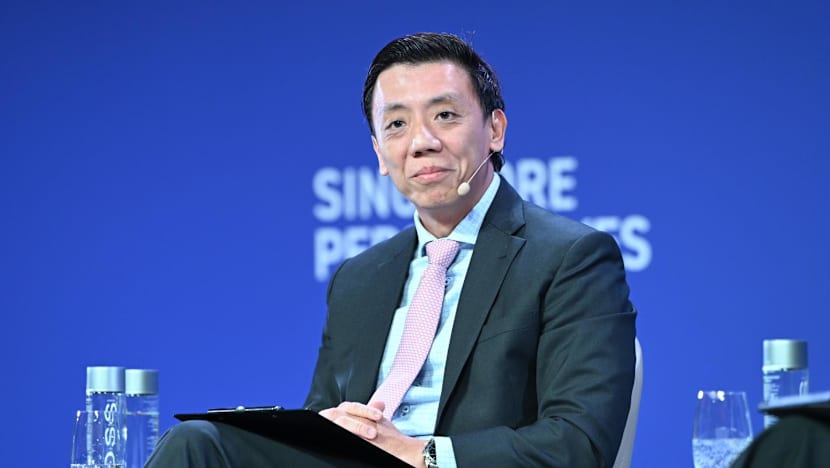
During a speech at the Institute of Policy Studies’ Singapore Perspectives 2026 conference on January 26, 2026, Acting Transport Minister Jeffrey Siow emphasized the necessity for Singapore to improve its integration efforts in order to facilitate increased immigration. Siow’s comments come as the nation grapples with a total fertility rate of 0.97, which he described as “abysmal” and significantly below the replacement level.
“The truth that we have to confront is that immigration is crucial to retain the dynamism of Singaporean society and economy,” Siow stated. He underscored that the success of immigration policies is directly linked to the country’s ability to integrate newcomers effectively.
Integration as a Foundation for Immigration
Siow stressed that enhancing integration is essential for Singapore’s immigration strategy, asserting, “We need to do more with integration so that we can do more immigration.” For this to occur, newcomers must feel a sense of belonging, while existing citizens should recognize newcomers as part of the Singaporean identity.
“In theory, Singapore is a young immigrant nation, but why is this difficult?” he pondered, suggesting that insecurity about what it means to be Singaporean contributes to the challenge. He acknowledged that as the backgrounds of newcomers diversify, building understanding and trust becomes increasingly complex.
To bridge these gaps, Siow called for mutual efforts from both sides. Newcomers are encouraged to integrate, contribute to the community, and adhere to local norms. Simultaneously, Singaporeans must adopt an open-minded approach, accepting that their national identity will evolve over time.
Quoting former Deputy Prime Minister S Rajaratnam, Siow noted, “It’s about choice, conviction, and contribution,” asserting the importance of these principles in defining Singaporean identity beyond mere ancestry.
Strengthening National Identity Amid Diversity
According to the latest report from the National Population and Talent Division, Singapore’s population consisted of 3.66 million citizens as of June 2025, with 22,766 new citizenships granted in 2024. Over the past five years, the average number of citizenships awarded per year was 21,300, a slight increase from the previous five years.
Siow highlighted that as the generations of Singaporeans increase, so too does the strength of the nation’s identity. He pointed out that the rise of “alternative affiliations,” which include more international marriages, reflects Singapore’s long-standing openness to immigration.
“In Singapore, we do want people to preserve these varied and alternative affiliations,” he said, using the country’s rich food culture as an example of how diversity can unify different communities. Yet, he warned that balancing this diversity with social cohesion is a continuous challenge, especially given Singapore’s small size and susceptibility to external influences.
To maintain social harmony, Siow emphasized the government’s critical role in implementing initiatives like Racial Harmony Day and the Ethnic Integration Policy. This policy ensures racial quotas in public housing and neighborhoods to prevent the formation of ethnic enclaves and promote interaction among different groups.
Siow noted that common spaces such as schools and parks are vital for fostering interactions across diverse communities. “When you have this deliberate mixing strategy across different groups, there will be differences in perspectives from time to time,” he explained. He advocated for the importance of facilitating common conversations to address these differences.
Community engagement is essential, according to Siow, who highlighted the role of grassroots leaders in creating opportunities for individuals to connect. When conflicts arise, established relationships built on trust can lead to collaborative solutions.
He cited the establishment of Harmony Circles, which bring together religious and grassroots leaders to strengthen community ties during peaceful times and mobilize support quickly when issues occur, such as recent incidents involving religious sensitivities. “At the national level, we take these issues seriously,” Siow affirmed, noting that senior politicians frequently engage in closed-door discussions with community leaders.
As Singapore navigates the complexities of integration and immigration, Siow’s remarks underscore the necessity for both societal and governmental efforts to maintain a cohesive and dynamic national identity in a rapidly changing global landscape.

India Unveils Long-Range Hypersonic Missile Amid Regional Tensions

SK bioscience Launches Global Trial for Universal Sarbecovirus Vaccine

Senegal Coach Pape Thiaw Suspended and Fined After Final Disruption

PAS Denies Abolishing Chairman Post, Contradicts Muhyiddin’s Claim

Mbappé Critiques Real Madrid’s Effort After Benfica Defeat

Thailand’s December Factory Output Surges 2.52% Year-on-Year

Ishita Dutta Reveals Her Parenting Secret: Strong Coffee

Older GPs Express Concerns Over New Digital Health Record Mandate

Urban Jurgensen: A 252-Year Legacy Enters a New Era

Regina Martinez Breaks New Ground for Mexico in Cross-Country Skiing

South Korea’s Foreign Minister Cho Hyun to Visit China This Week

Starling Bank Plans Secondary Share Sale, Targeting $5.4 Billion Valuation

Munsang College Celebrates 100 Years with Grand Ceremony

PAS Aims to Expand Parliamentary Influence in Upcoming Election

De Minaur Triumphs at Washington Open After Thrilling Comeback

Kenvue Dismisses CEO Thibaut Mongon as Strategic Review Advances

Humanism Camp Engages 250 Youths in Summer Fest 2025

Colombian Senator Miguel Uribe Shows Signs of Recovery After Attack
-
 Sports2 months ago
Regina Martinez Breaks New Ground for Mexico in Cross-Country Skiing
-
 World6 months ago
South Korea’s Foreign Minister Cho Hyun to Visit China This Week
-
 Business7 months ago
Starling Bank Plans Secondary Share Sale, Targeting $5.4 Billion Valuation
-
 Top Stories7 months ago
Munsang College Celebrates 100 Years with Grand Ceremony
-
 World6 months ago
PAS Aims to Expand Parliamentary Influence in Upcoming Election
-
 Sports8 months ago
De Minaur Triumphs at Washington Open After Thrilling Comeback
-
 Business8 months ago
Kenvue Dismisses CEO Thibaut Mongon as Strategic Review Advances
-
 Lifestyle8 months ago
Humanism Camp Engages 250 Youths in Summer Fest 2025
-
 Top Stories9 months ago
Colombian Senator Miguel Uribe Shows Signs of Recovery After Attack
-

 Sports8 months ago
Tupou and Daugunu Join First Nations Squad for Lions Clash
-

 World8 months ago
ASEAN Gears Up for Historic Joint Meeting of Foreign and Economic Ministers
-

 Health8 months ago
New Study Challenges Assumptions About Aging and Inflammation